










Tickets Sydney

Book Whale Watching Jervis Bay Tours

Crafted by Headout, a global experiences brand offering curated tours, tickets & experiences. Discover with ease, book with peace.
Loved by over 55 million guests worldwide


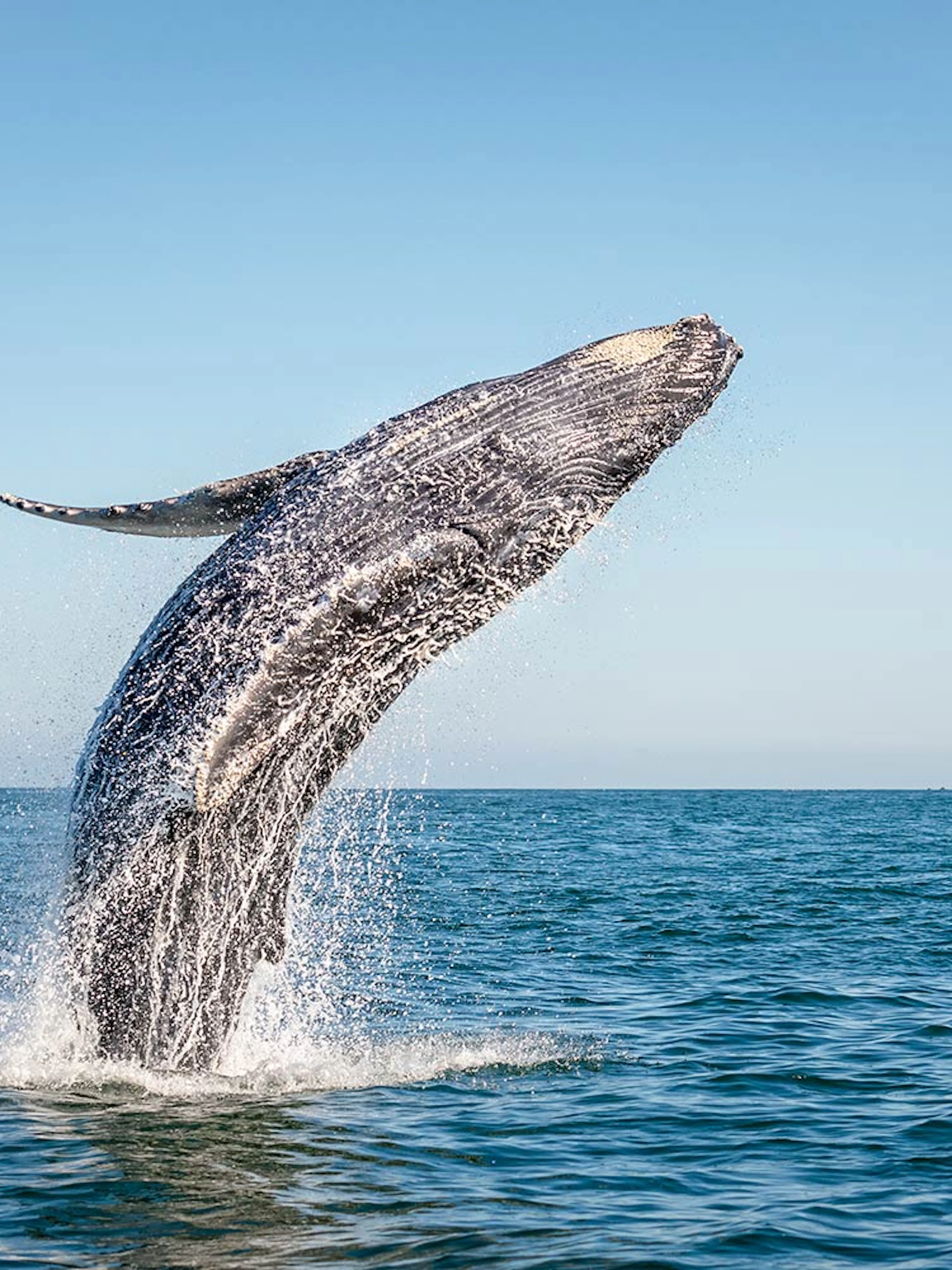
In Jervis Bay spotting a whale is not rare, it’s expected. Just over two hours from Sydney, this marine sanctuary offers front-row seats to migrating whales (May–Nov) and year-round dolphin encounters, all from purpose-built vessels guided by marine experts. Whether you're chasing the thrill of a fluke splash or the quiet wonder of a calf beside its mother, Jervis Bay’s calm, clear waters set the perfect stage.

What makes whale watching in Jervis Bay so special

Placeholder Image Headout Blimp
1/5

It's located right on the Humpback Highway

Jervis Bay sits squarely on the whales’ seasonal migration path. It’s an ideal midpoint in their approximately 5,000 km journey between Antarctic feeding grounds and Queensland breeding waters. This spot is a natural rest stop where humpbacks and southern rights pause to play, nurse calves, and even engage with curious humans.

Calm, sheltered waters encouraging unique interactions

Unlike the open ocean, the bay's protected and tranquil waters offer unmatched viewing conditions. Whales often swim close to shore, lounge here with newborns, and even engage in “mugging” where they come ridiculously close to vessels out of curiosity.

Seven months of sightings

The whale season runs from May to November, significantly longer than some other hotspots like Hervey Bay. Plus, Jervis Bay's sheltered waters are a magnet for mothers and calves during calving season.

Multi-species marine biodiversity

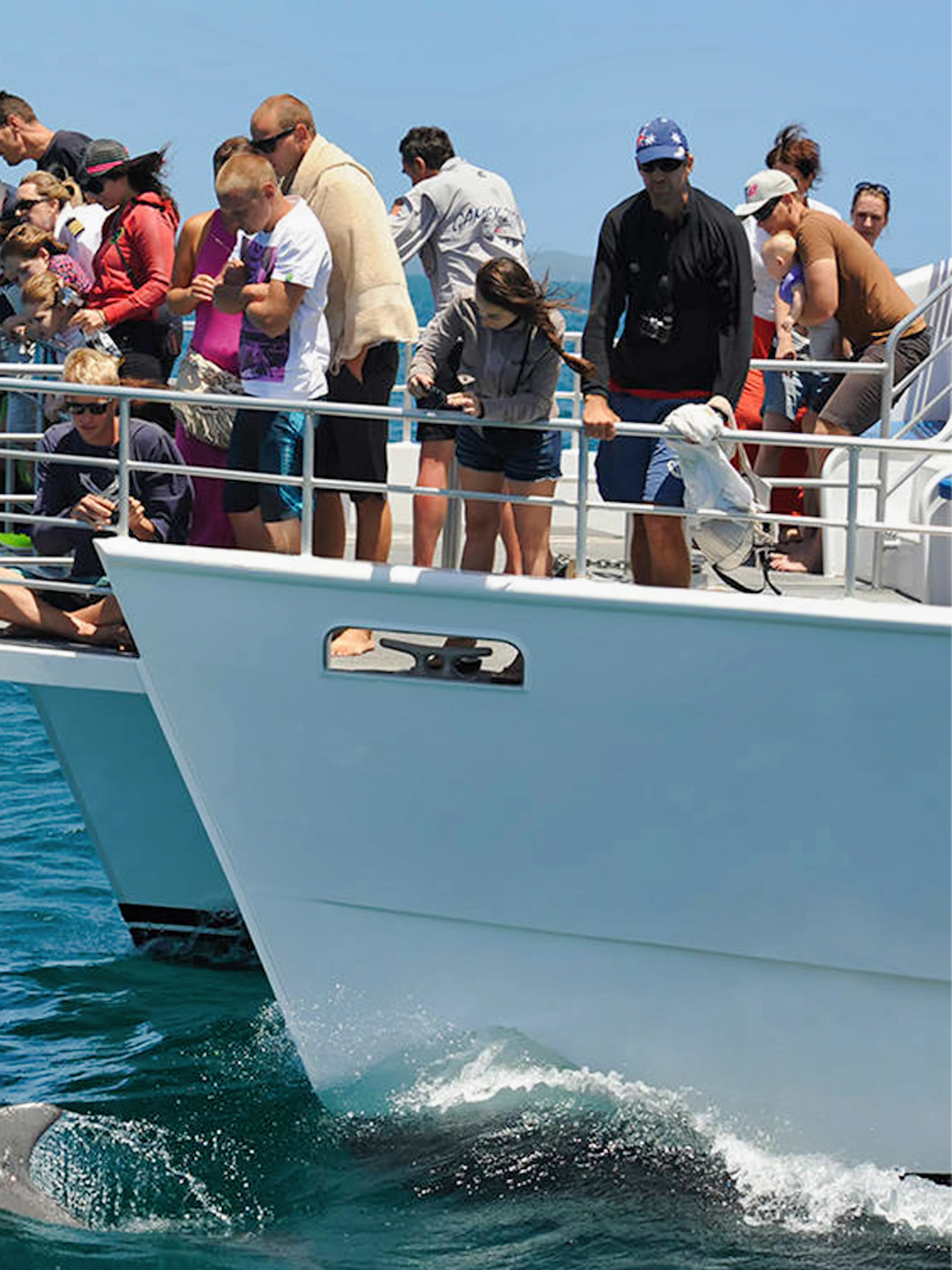
Apart from whales,expect to see dolphins (resident pods of 60–100+), fur seals, turtles, seabirds, and even sharks or rays. The region supports a rich food web that attracts a dazzling variety of wildlife.

Spectacular coastal scenery

The cruise takes you past towering cliffs at Point Perpendicular, the dazzling white sands of Hyams Beach, and wave-carved sea caves. It’s a feast for your eyes and your camera.

Things to know before you book your Jervis Bay cruise

  • Pick the route that excites you most: The two cruises offer different scenic highlights. The whale-watching cruise journeys past iconic spots like Hyams Beach and the rugged Booderee coastline. The dolphin cruise, on the other hand, hugs the shorelines of Plantation Point and Callala, passing coral reefs and calm, clear waters.
  • Consider the cancellation flexibility: Planning with a wiggle room? The whale-watching cruise offers more leeway, with free cancellation up to 48 hours before departure. The dolphin cruise offers free cancellation only if you cancel 10 days in advance, which might not suit last-minute planners.
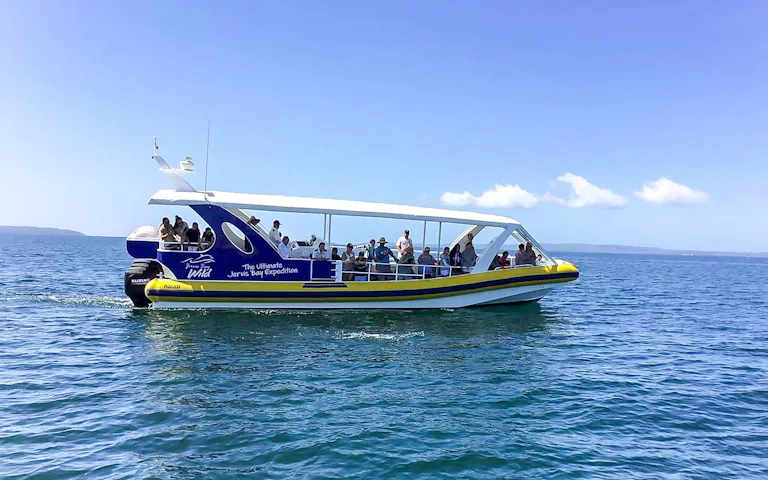
  • Check your vessel features: The whale-watching vessel is purpose-built equipped with underwater viewing windows, a live submersible camera feed, and open-air decks designed for extended offshore trips. In contrast, the dolphin cruise vessel features panoramic decks, offering great views but less technical gear for deep encounters.
  • Know your season: Whale watching is a seasonal experience, you can only join from May to November, during the migration window. If you're visiting outside these months or want a year-round option, the dolphin cruise runs throughout the year, with regular sightings of Jervis Bay’s resident bottlenose dolphins.
  • Plan your own transport: Neither cruise offers transfers from Sydney, so you’ll need to self-drive or arrange public transport to reach Huskisson, where both tours depart. It’s a scenic 2.5–3 hour drive south of Sydney, and well worth the journey.
  • Match the experience to your travel style: If you’re a wildlife enthusiast, passionate about migration patterns and love raw nature moments, the whale-watching cruise is your best bet. But if you’re after a relaxed, family-friendly outing or traveling with younger kids, the dolphin cruise offers a softer, calmer experience that’s no less magical.
  • Keep weather and sea conditions in mind: Jervis Bay’s conditions can shift with the wind, especially during whale season. If the weather changes suddenly, your whale-watching tour may retreat or reroute. Fortunately, the region is full of scenic backups like Hyams Beach and the White Sands Walk. Always check forecasts and arrive early to adjust plans if needed.

Compare Jervis Bay whale-watching cruises: Find the one that suits you

FeatureJervis Bay Wild Whale Watching CruiseJervis Bay Dolphin Watching Cruise

Season

May to November

Year-round

Duration

2 hours

1.5 hours

Departure point

Jervis Bay Wild’s Cruise Terminal, Huskisson

Jervis Bay Wild’s Cruise Terminal, Huskisson

Vessel features

Underwater viewing windows, submersible camera, open-air decks

Panoramic viewing decks

Wildlife sightings

Humpback whales, dolphins, seabirds, occasional seals/turtles

Bottlenose dolphins, sea eagles, occasional seals/turtles

Scenic route

Hyams Beach, sea cliffs, Booderee coastline

Plantation Point, Callala beaches, coral reefs

Live commentary

Yes (marine expert-led)

Yes (eco-guide commentary)

Accessibility

Wheelchair and pram/stroller accessible

Wheelchair and pram/stroller accessible

Service animals

Allowed

Allowed

Exclusions

No Sydney transfers

No Sydney transfers

Refund policy

Free cancellation up to 48 hours before

Free cancellation up to 10 days before

Where to board your Jervis Bay whale-watching cruise from?

Jervis Bay whale-watching and dolphin cruises depart from Jervis Bay Wild’s Cruise Terminal in Huskisson, a charming coastal village tucked within the Shoalhaven region of New South Wales. This terminal is the heart of all marine adventures in the bay and is located just steps away from cafés, souvenir shops, and white-sand beaches.

How to get there

From Sydney: Jervis Bay is roughly a 2.5–3 hour drive south of Sydney via the Princes Highway (A1). The most scenic and flexible option is to self-drive and ideal if you’re planning a weekend road trip. Once you reach Huskisson, free parking is available near the cruise terminal and on nearby side streets.

By public transport: You can take a train from Sydney to Bomaderry (Nowra), then connect with a local bus or taxi to Huskisson (around 30–40 minutes from the station). Though slower than driving, it’s a relaxed way to take in the countryside if you're not in a rush.

Pro tip: Arrive at least 30 minutes before departure to check in, grab a coffee from the nearby cafes, and take in the views of Currambene Creek. Sometimes dolphins are spotted even before you board!

Plan your visit to Jervis Bay whale watching tour

  • Whale Watching Cruises: 10am and 1pm
  • Dolphin Watching Cruises: 10:30am and 1pm

It’s a good idea to arrive at the Jervis Bay Wild Cruise Terminal at least 30 minutes before departure.


The whale watching season in Jervis Bay runs from May to November, but not all months are the same in terms of whale activity. The best time depends on what you hope to see, here’s a quick overview:

May to August – Northbound Migration (heading to Queensland)

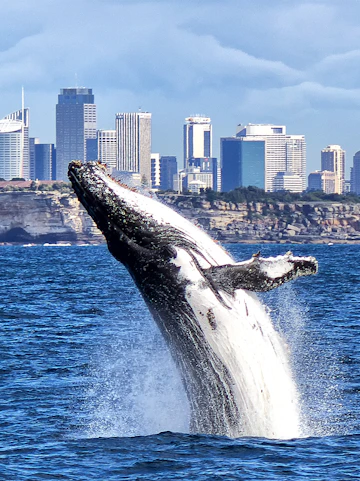
This is when humpback whales travel north from Antarctica to warmer breeding grounds. During these months, you’ll spot adults often breaching, tail-slapping, and showing off. It’s a great time for dramatic surface activity. Mid-June to July is particularly strong, with large pods passing through the bay.

August to November – Southbound Migration (return journey with calves)

Arguably the best part of the season, this is when mothers return south with their newborn calves. They slow down in sheltered bays like Jervis to rest, nurse, and teach their young to breach and tail-flick. The water is calmer, the encounters are gentler, and whales often come closer to the boat.

  • Layer up: Even on sunny days, the sea breeze can catch you off guard. Bring a light windcheater or waterproof jacket, especially during the early whale season (May–July).
  • Sunscreen and sunglasses: The sun reflects intensely off the water here, so UV protection is a must, even if it's overcast.
  • Camera or smartphone: You will want to capture a breach or a dolphin leap. A waterproof pouch or dry bag is handy if you're worried about sea spray.
  • Flat, non-slip shoes: Decks can get wet and a bit wobbly. Wear something that grips well and keeps you steady as you move around.
  • Water bottle and snacks: While the cruises are relatively short, there are no onboard cafés. Bring water, and maybe a snack bar if you would like.
  • Binoculars (optional): Not essential, but they’re fun for spotting seabirds and distant whale activity, especially from the upper deck.
  • Underwater viewing windows: Available on the whale-watching cruise, these let you glimpse the whales below the surface.
  • Live submersible camera feed: This real-time underwater footage is streamed onboard, giving you a unique perspective of what’s happening beneath the waves.
  • Live commentary: Both tours offer expert-led commentary in English, with fun facts and ongoing wildlife insights as the tour progresses.
  • Shaded and open seating: You’ll have the option to sit in the sun or under cover, depending on your preference and the weather.
  • Wheelchair and stroller accessible: Both dolphin and whale-watching cruises can accommodate wheelchairs and prams, making them great for all ages and mobility levels.
  • Not suitable for certain conditions: Due to the nature of the cruises, these tours aren’t recommended for pregnant passengers, or those with serious back or medical conditions.
  • Hold the rails while moving: The vessel may sway unexpectedly, especially if the wind picks up or you're rounding the headland. Use handrails when walking around.
  • Follow crew instructions at all times: They’re trained for both wildlife protection and your safety. If a whale or dolphin comes close, listen for directions, especially when on the bow.
  • Secure loose items: Hats, scarves, sunglasses or basically anything not strapped down can fly off. Keep valuables in zipped pockets or small bags.
  • Don’t reach out or lean over: Tempting as it is when a whale gets close, resist the urge to lean too far. Needless to say, you may fall!
  • If seasickness is a concern: Jervis Bay is sheltered, but if you’re sensitive to motion, consider taking a preventive medication beforehand and choosing a morning cruise when waters are calmer.

Frequently asked questions about Jervis Bay Whale Watching Cruise

The whale-watching cruise lasts about 2 hours, while the dolphin-watching cruise runs for 1.5 hours. Both tours depart from Huskisson and return to the same point, so you can easily plan meals or beach time around them.