A guide to Sydney Harbour: History, attractions, things to do, and more!

Sydney Harbour, on Australia’s East Coast, is renowned for its stunning waterfront and scenic islands, including Shark Island, Clark Island, Fort Denison, and Cockatoo Island. Iconic landmarks like the Opera House, Harbour Bridge, and Taronga Zoo are all visible from the water. The best way to explore the harbor is on a cruise—choose from sightseeing, dinner, whale-watching, and more to experience Sydney your way!

What is Sydney Harbour?

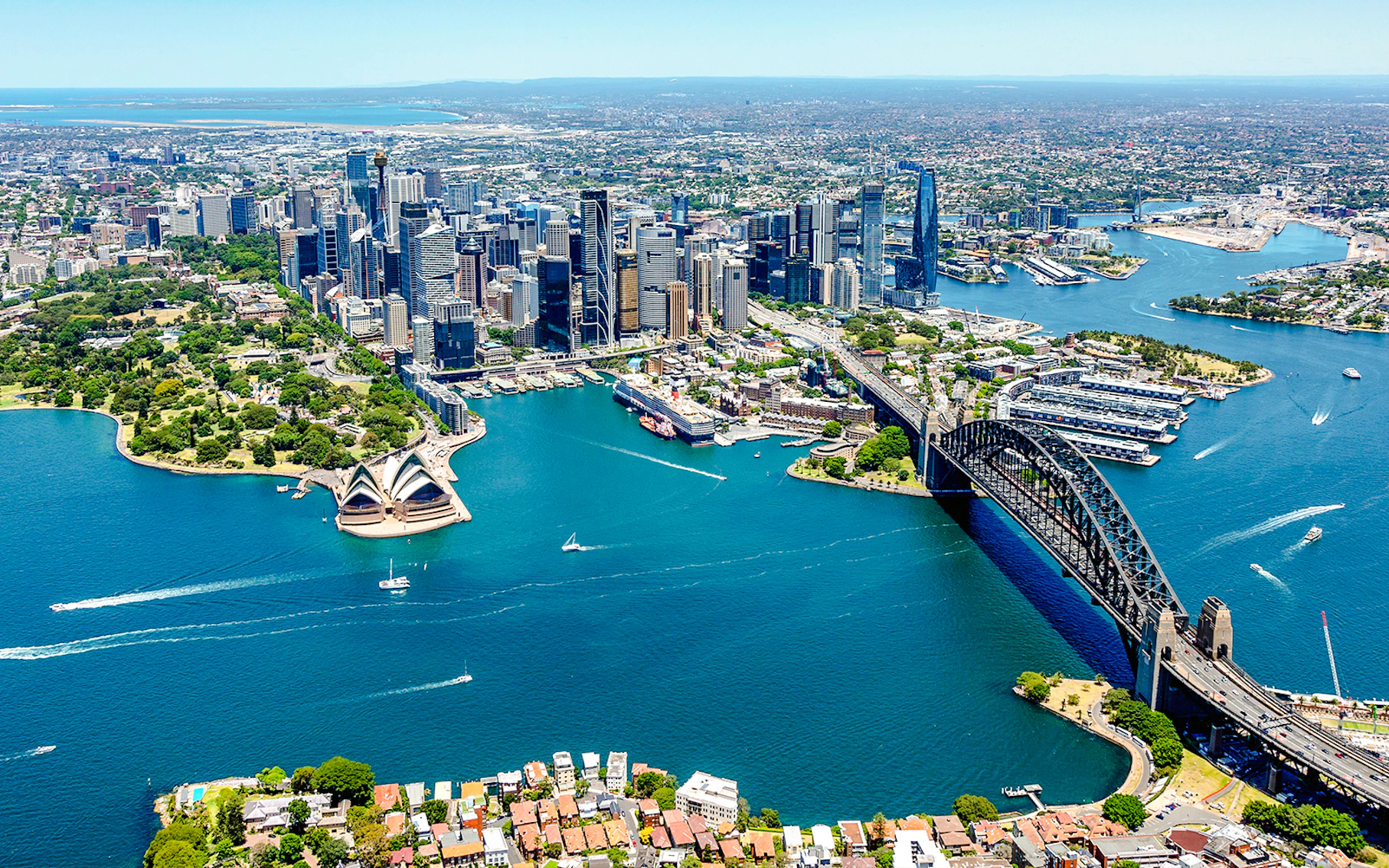
Sydney Harbour, Australia’s busiest waterway, is a sparkling playground with miles of iconic shoreline and a hub for recreational, passenger, and working vessels. It forms the backdrop for landmarks like the Sydney Opera House and Harbour Bridge.

For cruise lovers, it’s a must-visit, offering breathtaking views and options from luxury dinner cruises to budget-friendly ferry rides.

Beyond the water, the harbor area is vibrant with pubs, shops, and live performances. A visit to Sydney isn’t complete without exploring this picturesque harbor.
Sydney Harbour

History of Sydney Harbour

Pre-colonial
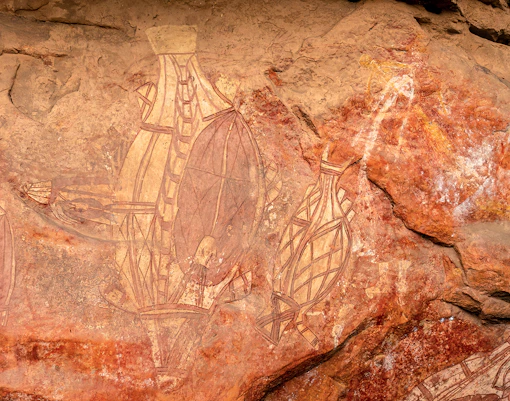
Before European settlement, Sydney and its surrounding areas were home to Aboriginal tribes, including the Gadigal, Eora, Cammeraygal, and Wanegal. Archaeological finds, such as stone tools near Penrith, date back 50,000–45,000 BCE, highlighting the region’s rich Indigenous history.

1788

In 1788, Captain Arthur Phillip arrived from England with 732 convicts and a few soldiers to establish a penal colony, marking the start of European settlement in Australia. They landed at Sydney Cove, named after Lord Sydney (Thomas Townshend), the British Home Secretary who played a crucial role in organizing and supporting the First Fleet’s journey.

1816

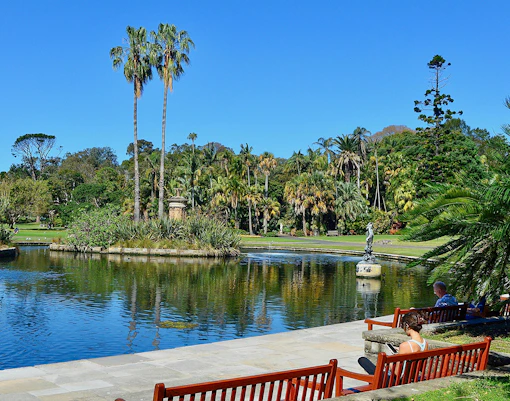
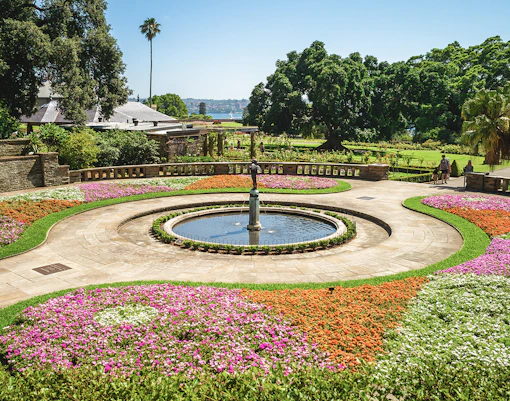
The Royal Botanic Garden, Sydney, Australia’s oldest scientific institution, was originally focused on cultivating plants for the colony. Today, it remains a hub for botanical research and conservation, offering visitors curated landscapes and diverse plant collections while advancing biodiversity studies.

1840

In 1840, the convict ship Eden became the last to dock in Sydney, marking the end of its penal colony era. With free settlers arriving, Sydney rapidly grew into a thriving, modern city of culture, commerce, and innovation.

1901

The Commonwealth of Australia was inaugurated at Centennial Park after the federation of six British colonies—Queensland, New South Wales, Victoria, Tasmania, South Australia, and Western Australia, marking Australia’s emergence as a Dominion within the British Empire.

1932

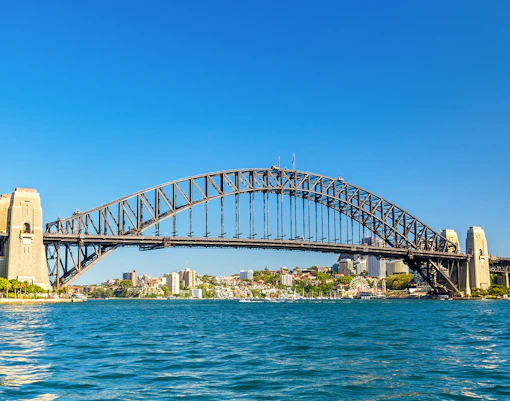
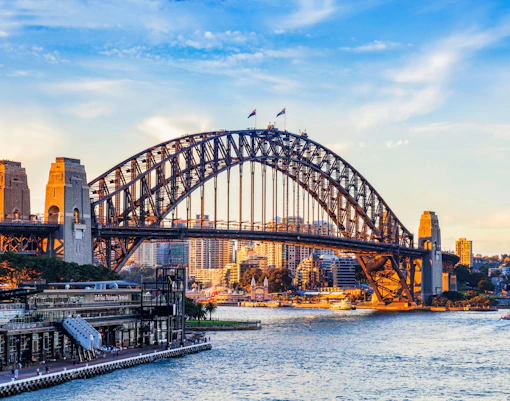
Opened in 1932, the Sydney Harbour Bridge linked the northern and southern shores, boosting transport and city expansion. It soon became a symbol of Australia’s engineering achievement and ambition.

1942

In 1942, Prime Minister John Curtin enacted the Statute of Westminster Adoption Act, granting Australia full legislative independence as a self-governing dominion within the British Empire.

1973

When the Sydney Opera House opened in 1973, it transformed Sydney Harbour into a bustling tourism hub. Cargo ships gave way to yachts and cruises, making the harbor a major international destination renowned for its beauty, culture, and history.

Sydney Harbour cruises

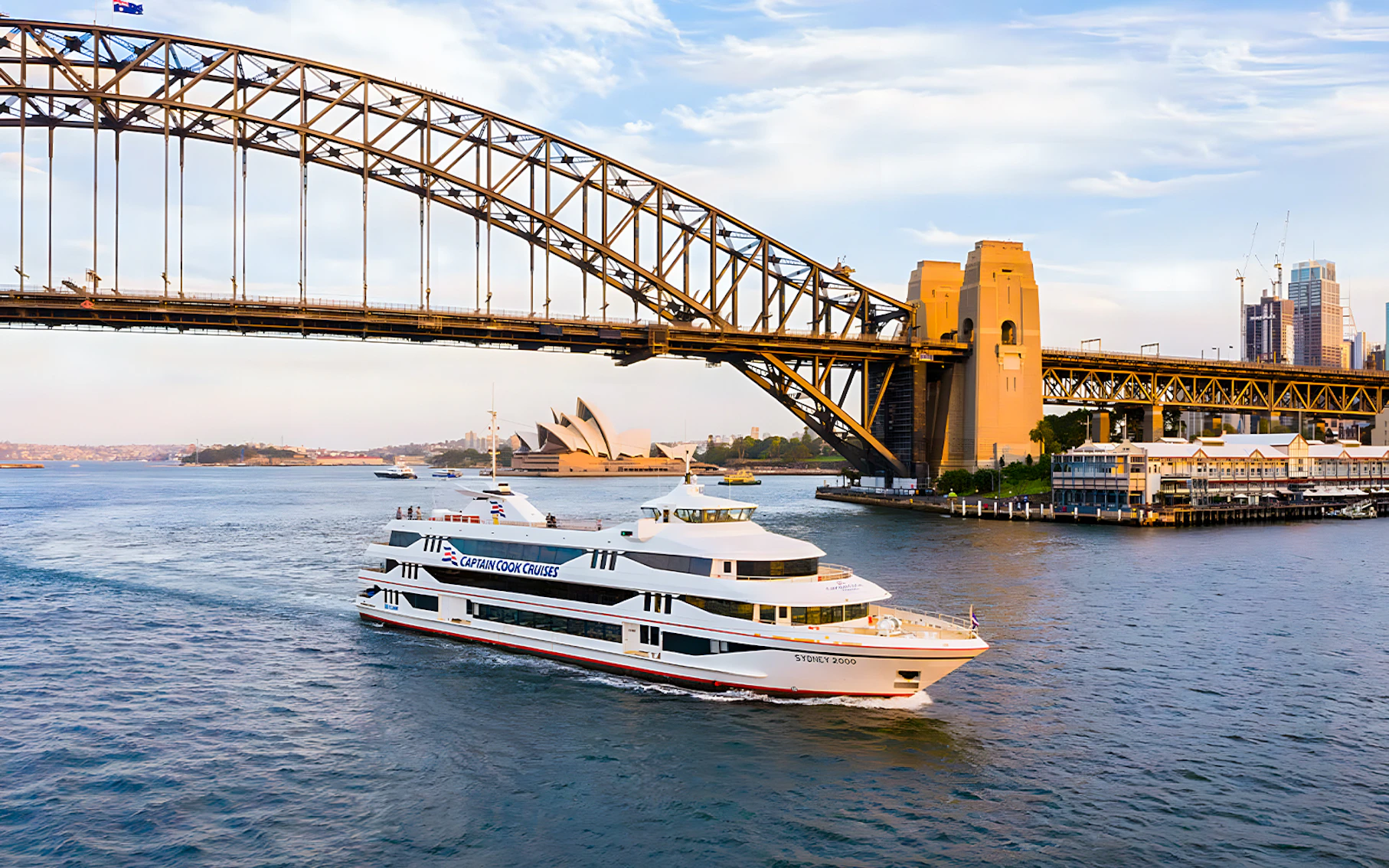
Sydney Harbour cruises offer unforgettable experiences for every budget. See iconic landmarks like the Opera House and Harbour Bridge, enjoy whale-watching, or take in Vivid Festival lights from the water. Meal cruises serve fresh seafood and gourmet dishes, while hop-on hop-off cruises let you explore key attractions at your pace. Stunning views, great food, and unique experiences await on every cruise.
Sydney Harbour cruise

Islands on Sydney Harbour

Shark Island
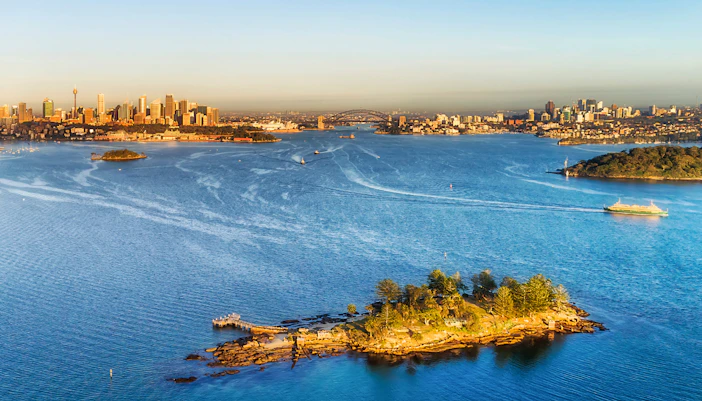
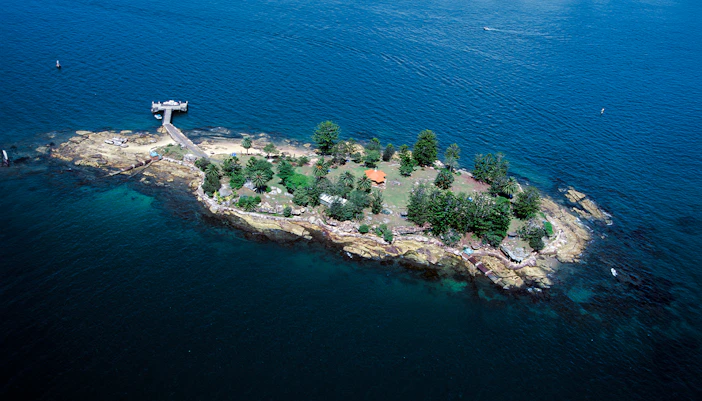
Known as Boambilly by the local Aboriginal people, Shark Island lies east of Sydney Harbour between the Harbour Bridge and the harbor entrance. Part of Sydney Harbour National Park, it features the active Shark Island Light, visible between Shark Point and Point Piper.

Clark Island

Just off Darling Point in eastern Sydney Harbour, is part of Sydney Harbour National Park. Named after First Fleet Lieutenant Ralph Clark, it’s a popular picnic spot but remains uninhabited to preserve its natural environment.

Fort Denison

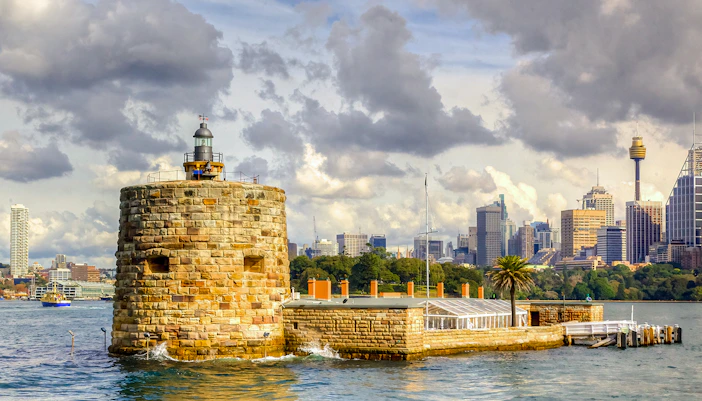
Northeast of the Royal Botanic Garden and east of the Opera House, is a heritage-listed island in Sydney Harbour National Park. Known as Mattewanye or Muddawahnyuh by the Eora people, it’s valued for its historical role as a defensive fort and cultural significance.

Goat Island

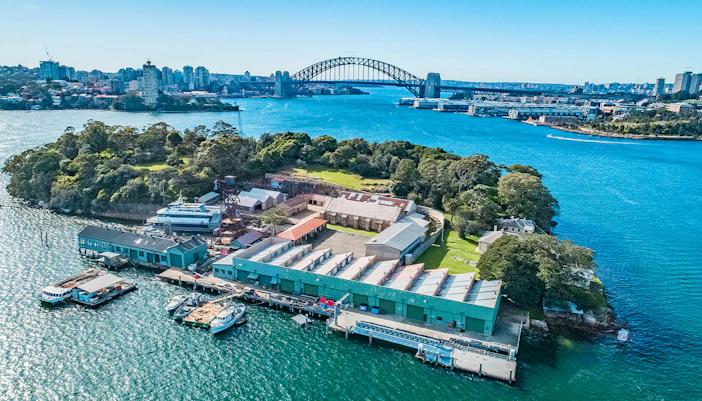
Located at the junction of Darling Harbour and Sydney Harbour’s main channel, Cockatoo Island is a heritage-listed site. Once a shipyard, arsenal, and storage facility, it now serves as an education and interpretation center within Sydney Harbour National Park.

Cockatoo Island

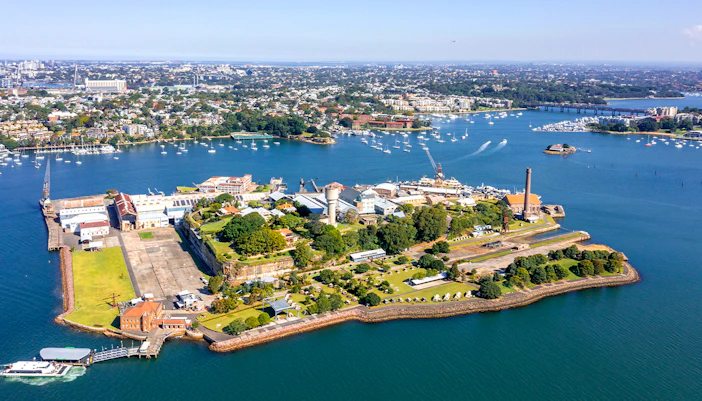
At the confluence of the Parramatta and Lane Cove Rivers is a UNESCO World Heritage Site. Formerly a convict penal site and major shipyard, it is now a cultural hub hosting festivals and events.

Snapper Island

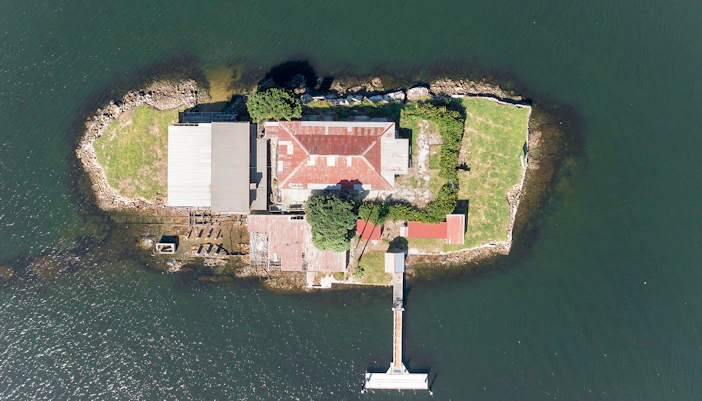
Upstream of the Sydney Harbour Bridge near Drummoyne is the most modified harbor island, expanded seven times through land reclamation. It serves as a Sea Cadets training depot and museum.

Sydney Opera House

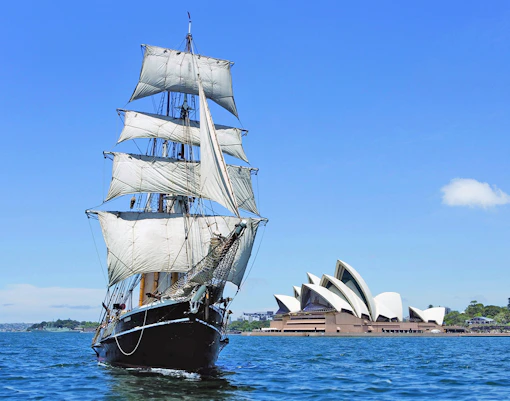
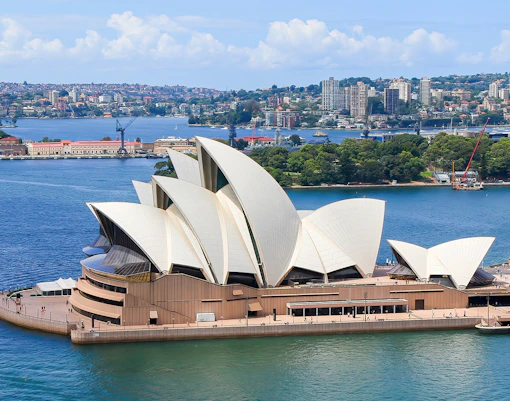
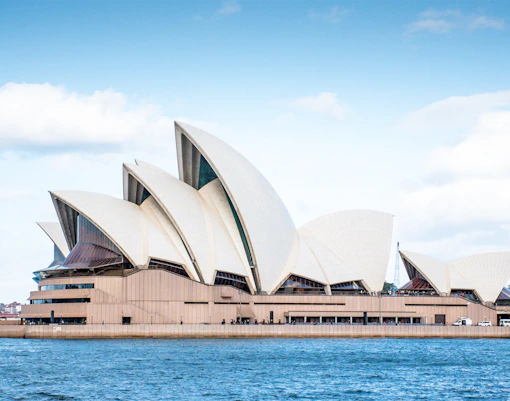
The Sydney Opera House, atop Bennelong Point, is Australia’s iconic performing arts center. Designed by Danish architect Jørn Utzon, its white, sail-like shells create a striking skyline silhouette. Home to multiple venues and shops, it’s a must-visit for locals and tourists alike.

Know more

Sydney Harbour Bridge

The Sydney Harbour Bridge, a through-arch steel bridge, links the CBD to the North Shore, carrying vehicles, trains, bicycles, and pedestrians. It enabled Sydney’s northward expansion and is a modern city icon. The bridge is illuminated for New Year’s Eve fireworks, and bridge climbs on the southern side are a popular tourist activity.

Royal Botanical Gardens

The Royal Botanic Garden, Australia’s oldest scientific institution, is a hub for botanical research and events. With stunning harbor views, it’s also a popular public space and one of Sydney’s top attractions.

The Rocks

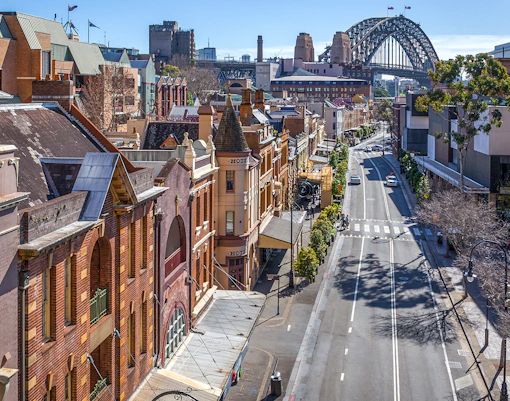
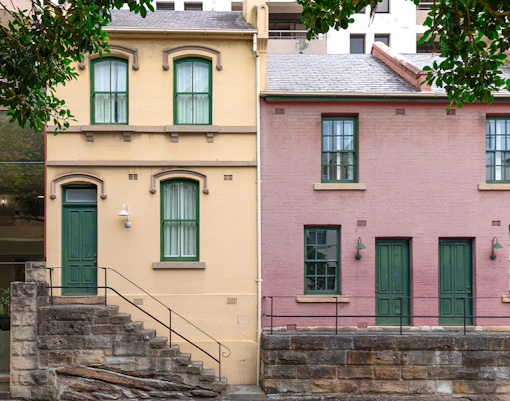
The Rocks, originally called Tallawoladah by the Cadigal people, is a historic colonial precinct in Sydney. Once home to convicts, it was preserved from 1970s redevelopment protests and transformed into a vibrant tourist and shopping hub, blending historic architecture with modern attractions.

Taronga Zoo

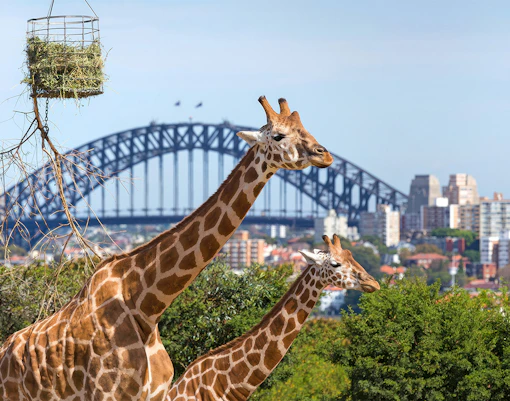
Opened in 1916, Taronga Zoo is a top Sydney attraction and a leader in conservation and education. Home to over 4,000 animals, including many threatened species, it offers immersive, naturalistic enclosures, allowing visitors to experience wildlife up close while supporting global preservation efforts.

Know more

To know more, take a look at our comprehensive guide of attractions to spot on a Sydney Harbour cruise.

Frequently asked questions about Sydney Harbour

The Sydney Harbour area offers a ton of activities for kids all year round. The Blues Point Reserve has a fun nautical-themed playground. Luna Park, a heritage amusement park, has many rides and activities specially made for children. You can also go on a picnic at one of the harbor islands or even at one of the gardens that surround the harbor.