English
Language
Currency
Contents

Sydney Travel Guide | Top Attractions, Travel Essentials, Tips & More

SydneyTravel Guide

Sydney is a coastal metropolis shaped by harbor life, beaches, and outdoor culture. As Australia’s largest city and a gateway to the Pacific, it blends natural scenery with urban energy. Whether you’re a first-timer keen to see the Sydney Opera House or a return visitor chasing coastal walks and neighborhood cafés, this guide covers the essentials—when to visit, what to see, how to get around, and where to stay—so you can plan your Sydney adventure with confidence.

Travel essentials

What this guide covers
Why it matters
Key details
Best time to visit
Plan around crowds, prices, and weather
September–November and March–May offer warm weather, fewer crowds, and good value; December–February is hot, busy, and expensive.
Visa requirements
Avoid travel disruptions
Most visitors need an Australian ETA or eVisitor visa; US, UK, EU, and many Asian passport holders can apply online before travel.
Health insurance
Ensure entry compliance and emergency coverage
Travel insurance is strongly recommended, as Australia’s public healthcare does not cover most tourists.
Local time & time zone
Plan tours, bookings, or remote work
Sydney runs on Australian Eastern Time (UTC+10), shifting to UTC+11 during daylight saving from October to April.
Currency
Makes daily spending easier
Australia uses the Australian Dollar (AUD); cards and contactless payments are accepted almost everywhere.
Daily budget
Sets realistic spending expectations
Expect AUD 120–180/day on a budget, AUD 200–300/day mid-range, and AUD 400+/day for luxury travel.
Plugs & power outlets
Prevents charging issues
Uses Type I plugs with 230V/50Hz electricity; travelers from Europe and North America need an adapter.
Local SIM & data
Stay connected on the go
Major providers include Telstra, Optus, and Vodafone; prepaid SIMs and eSIMs are widely available at the airport and city stores.
Tipping culture
Avoid awkwardness or overpaying
Tipping is optional; rounding up or leaving 5–10% is appreciated but never expected.
Languages spoken
Improves interactions with locals
English is the official language, and communication is easy across all tourist areas.
Water safety
Reduces bottled water costs
Sydney’s tap water is safe to drink and available at public fountains across the city.
Public toilets
Solves a common sightseeing pain point
Public toilets are common near beaches, parks, ferry wharves, and shopping areas, and are usually free.
Emergency numbers
Essential for safety
Dial 000 for police, fire, or ambulance services anywhere in Australia.

Best time to visit Sydney

With its sunny coastline, warm summers, and mild winters, Sydney is a year-round destination where timing shapes how you experience beaches, outdoor dining, and major events. From peak summer crowds along the coast to quieter shoulder seasons ideal for sightseeing, choosing when to visit can make a big difference. Here’s a seasonal breakdown to help you plan.

Peak season: December to February is Sydney’s busiest period, driven by summer holidays, beach weather, and major events. Temperatures typically range from 19–26°C (66–79°F), with high humidity and occasional heatwaves. Coastal areas and the CBD feel crowded, and accommodation prices peak. Book flights and hotels early and plan outdoor activities for mornings or late afternoons.

Low season: June to August is Sydney’s low season, bringing cooler temperatures of 8–17°C (46–63°F) and fewer visitors. While beach swimming drops off, sightseeing becomes more comfortable and prices are lower. Rainfall is moderate, and many cultural attractions feel calmer, making winter appealing for museums, walks, and dining.
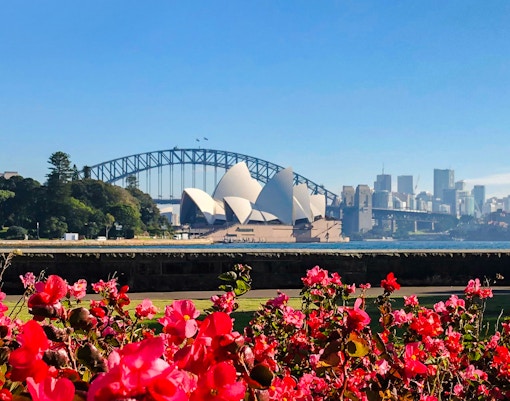
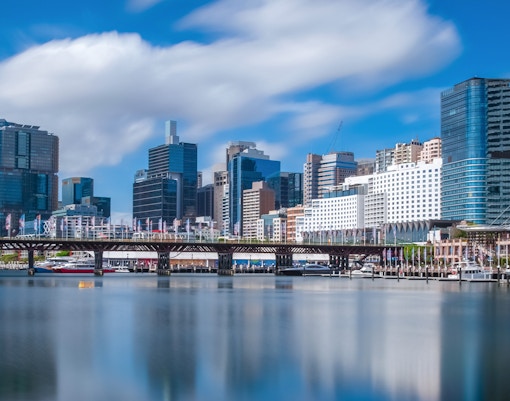
sydney skyline with opera house

🌸 Spring (Sep–Nov)

  • Expect: Pleasant temperatures, low humidity, and increasing daylight, making it one of the most comfortable times to explore the city. Crowds are lighter than summer.
  • Highlights: Coastal walks, outdoor markets, and whale-watching along the shoreline.
  • Average temp: 11–23°C (52–73°F)
  • Good to know: Spring weather is stable, but evenings can feel cool near the water.
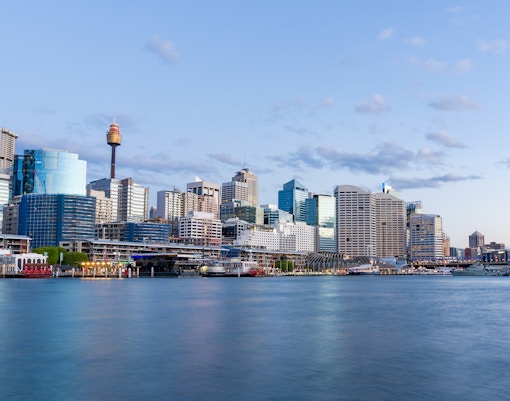
sydney skyline

☀️ Summer (Dec–Feb)

  • Expect: Hot, sunny days, busy beaches, and a packed events calendar across the city. Coastal areas feel lively from morning to evening.
  • Highlights: Beach time, harbor cruises, open-air festivals, and New Year celebrations.
  • Average temp: 19–26°C (66–79°F)
  • Good to know: UV levels are high, so sun protection and early starts are essential.
sydney skyline

🍂 Fall (Mar–May)

  • Expect: Warm days, cooler nights, and fewer crowds after summer ends. Conditions are ideal for walking-heavy itineraries.
  • Highlights: Food festivals, coastal hikes, and outdoor dining without peak-season pricing.
  • Average temp: 14–24°C (57–75°F)
  • Good to know: One of the best seasons for combining beaches with city sightseeing.
sydney skyline

❄️ Winter (Jun–Aug)

  • Expect: Mild winters with crisp mornings and shorter daylight hours, but little extreme cold.
  • Highlights: Cultural events, whale-watching, and uncrowded urban attractions.
  • Average temp: 8–17°C (46–63°F)
  • Good to know: Swimming is less popular, but outdoor walks remain comfortable with layers.
💸 When to find deals

June through August usually offers the best value on flights and accommodation. This period suits travelers focused on culture, food, and sightseeing rather than beach-heavy itineraries.


💸 When to find deals

Getting to Sydney

airplane at an airport

Airports

  • Sydney Kingsford Smith Airport (SYD): Located about 8 km south of the CBD, with travel times of 15–30 minutes, making it one of the closest major airports to a city center.
  • Terminals: Terminal 1 (international flights), Terminal 2 (domestic services), Terminal 3 (Qantas domestic).
  • Transfers: Airport Link train reaches Central or Circular Quay in 13–20 minutes for AUD 16–19; taxis cost AUD 45–60; ride-hail prices vary; public buses are cheaper but slower.
train leaving a railway station

Rail connections 

  • Central Station: Sydney’s main rail hub and gateway to the city, serving suburban, regional, and interstate trains. Services connect to Blue Mountains (~2 hours), Newcastle (~2.5 hours), Canberra (~4 hours), and Melbourne (~11 hours).
  • Other stations: Town Hall and Wynyard serve the CBD, while Circular Quay connects rail, ferry, and bus networks.
  • Booking: Regional and interstate trains are operated by NSW TrainLink, with advance booking recommended for long-distance routes.
  • International: Sydney has no international rail connections.

Must-visit attractions in Sydney

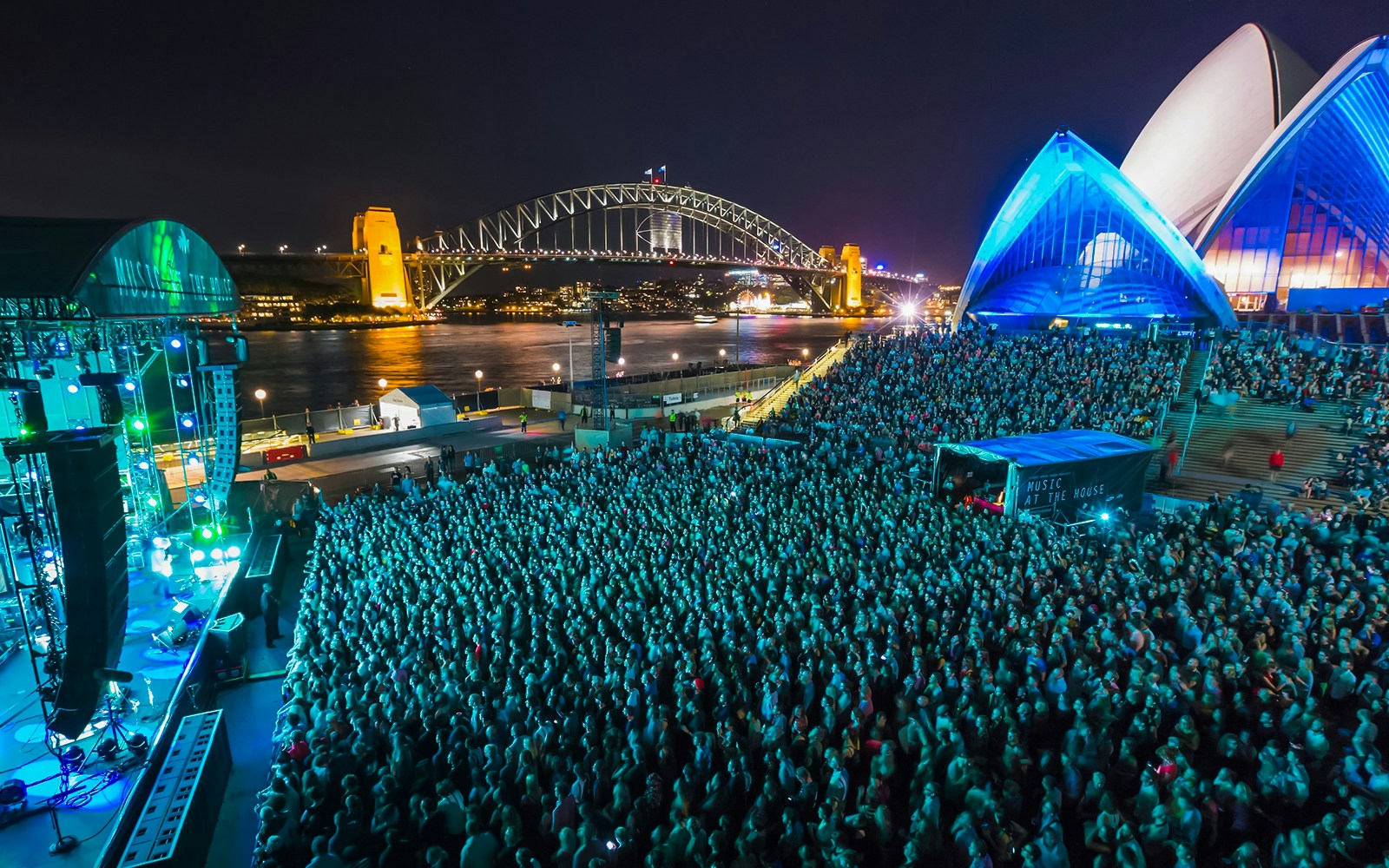
sydney opera house

Cultural landmarks 

  • Sydney Opera House: The Sydney Opera House is Australia’s most recognizable landmark, combining bold architecture with performance spaces and guided tours that explain its design, history, and role in Sydney’s cultural life. Tours and performances are ticketed.
  • Sydney Harbour Bridge: The Sydney Harbour Bridge spans the harbor between the CBD and North Sydney, offering pedestrian access, city views, and the option to climb its steel arches on guided experiences. BridgeClimb experiences require advance booking.
  • The Rocks: The Rocks is Sydney’s oldest neighborhood, featuring historic laneways, sandstone buildings, museums, and weekend markets that reveal the city’s colonial past alongside modern dining. Free to explore; museums may be ticketed.
  • Barangaroo Reserve: Barangaroo Reserve is a reclaimed waterfront park blending Indigenous history with modern design, offering harbor views, walking paths, and green space just west of the CBD. Free entry throughout the year.
visitors inside a museum

Museums

  • Australian Museum: The Australian Museum focuses on natural history, Indigenous culture, and science through large-scale exhibitions and interactive displays, making it one of Sydney’s most educational indoor attractions. Free general entry; special exhibitions ticketed.
  • Museum of Contemporary Art Australia (MCA): The MCA showcases contemporary Australian and international art in a waterfront location at Circular Quay, with rotating exhibitions and rooftop views over the harbor. Free permanent collection; temporary exhibitions may be ticketed.
  • Powerhouse Museum: The Powerhouse Museum explores design, technology, and innovation through hands-on exhibitions, offering a different perspective on Australian creativity and industry. Entry policies vary by exhibition.
St Mary's Cathedral in Sydney with twin spires and surrounding cityscape.

Religious sites

  • St Mary’s Cathedral: St Mary’s Cathedral is a Gothic Revival church with twin spires and detailed interiors, located beside Hyde Park and offering insight into Sydney’s religious heritage. Free entry outside service times.
  • Nan Tien Temple: Nan Tien Temple, located south of Sydney, is one of the largest Buddhist temples in the Southern Hemisphere, featuring peaceful courtyards, cultural exhibits, and vegetarian dining. Free entry; donations encouraged.
Royal Botanic Garden Sydney, Calyx exhibition space with visitors and plant displays.

Green escapes 

  • Royal Botanic Garden Sydney: The Royal Botanic Garden stretches along the harbor beside the Opera House, offering waterfront paths, themed gardens, and shaded lawns with some of the city’s best skyline views. Free entry year-round.
  • Hyde Park
    Hyde Park is Sydney’s oldest public park, running through the city center with tree-lined walkways, fountains, and monuments that provide a quiet break from surrounding streets. Free access.
Couple enjoying view from Sydney Tower Eye observation deck.

Viewpoints

  • Sydney Tower Eye: Sydney Tower Eye offers 360-degree views across the city, coastline, and Blue Mountains from an indoor observation deck, making it a weather-proof option for skyline views. Ticketed entry required.
  • Mrs Macquarie’s Chair: Mrs Macquarie’s Chair is a waterfront viewpoint carved into sandstone, offering clear sightlines to the Opera House and Harbour Bridge, especially popular at sunrise and sunset. Free access at all times.
Bondi Beach shoreline with waves and people sunbathing, Sydney, Australia.

Beachside spots  

  • Bondi Beach: Bondi Beach is Sydney’s most famous stretch of sand, known for surfing, coastal walks, and a lively promenade with cafés and ocean pools. Free access; surf lessons and tours are ticketed.
  • Manly Beach
    Manly Beach combines a relaxed beach atmosphere with easy ferry access from Circular Quay, offering wide sands, coastal walks, and family-friendly swimming areas. Free access year-round.
woman exploring street market shops

Street markets

  • The Rocks Markets: The Rocks Markets run on weekends, featuring artisan goods, food stalls, and local products set among historic streets near Circular Quay. Free entry; purchases extra.
  • Paddington Markets: Paddington Markets focus on emerging designers, handmade fashion, and creative goods, offering a distinctly local shopping experience in a neighborhood setting. Free entry on Saturdays.
Circular Quay waterfront with Sydney skyline in the background, Australia.

Public plazas

  • Circular Quay: Circular Quay is Sydney’s main harbor interchange, combining ferry terminals, waterfront dining, and constant views of the Opera House and Harbour Bridge. Free access; transport and dining extra.
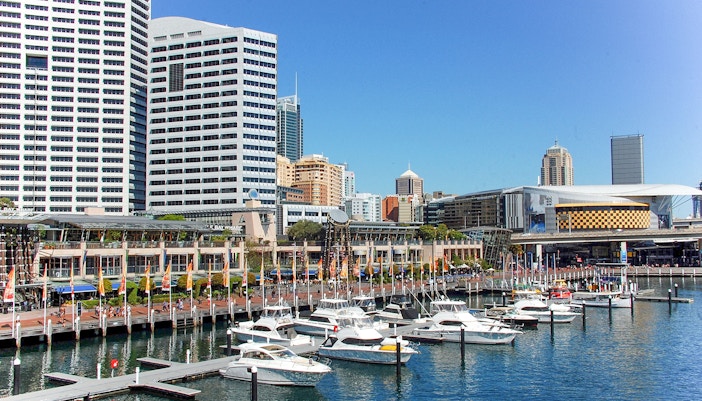
  • Darling Harbour: Darling Harbour is a pedestrian-friendly waterfront precinct with museums, promenades, and entertainment venues, especially popular for evening walks and family outings. Free to explore.

Your perfect 3-day Sydney travel itinerary

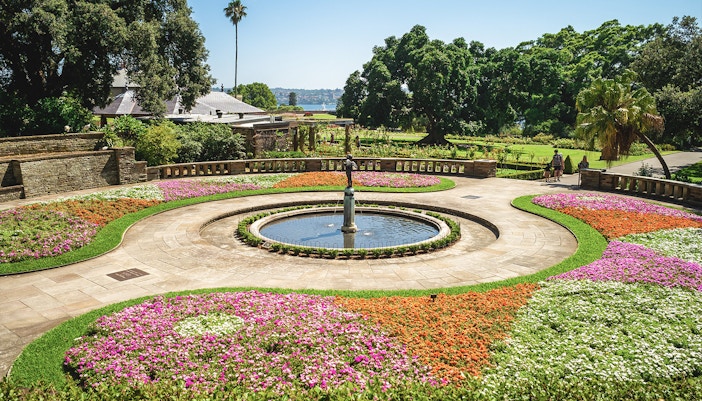
Royal Botanic Garden Sydney with colorful flower beds and central fountain.

Day 1: Harbour Icons & CBD

  • Morning: Start around 9:00 AM at Circular Quay to see the Sydney Opera House and Harbour Bridge while crowds are light. Walk around the Opera House forecourt and along the waterfront, then continue on foot into The Rocks to explore historic laneways and small museums.
  • Midday: Have lunch in The Rocks or near Circular Quay, choosing a casual pub or waterfront café. After eating, take a short walk or light rail to Barangaroo Reserve for a relaxed harbor-side stroll.
  • Afternoon: Head to the Royal Botanic Garden Sydney, entering near the Opera House and walking toward Mrs Macquarie’s Chair. Allow about 90 minutes for gardens and viewpoints.
  • Evening: Return to Circular Quay for dinner in Circular Quay or Walsh Bay, then enjoy an evening harbor walk as the skyline lights up. Ferries and trains run frequently back to accommodation.

Insider tip: This entire day is walkable, reducing transport costs and time.
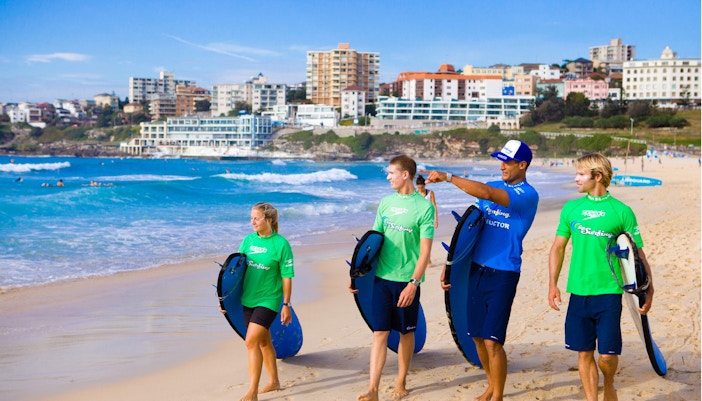
Surf instructor guiding students on Bondi Beach during a 2-hour surf lesson.

Day 2: Beaches & Coastal Walks

  • Morning: Take a train to Bondi Junction, then a bus to Bondi Beach (about 45 minutes total from the CBD). Spend the morning on the sand or walking part of the Bondi to Tamarama coastal walk, which offers cliff views and ocean pools.
  • Midday: Lunch in Bondi, where cafés and casual eateries line the beachfront and nearby streets. Choose shaded seating, as midday sun can be strong.
  • Afternoon: Continue the coastal walk toward Bronte Beach, or relax at Bondi Icebergs Pool if conditions allow. Plan 2–3 hours for beach time and walking.
  • Evening: Head back to the city before sunset by bus and train. Dine in Surry Hills, known for relaxed restaurants and cafés, before returning to your hotel.
  • If it’s too hot or rainy: Swap the beach morning for the Australian Museum, which is fully indoors and centrally located, then keep Surry Hills for dinner.
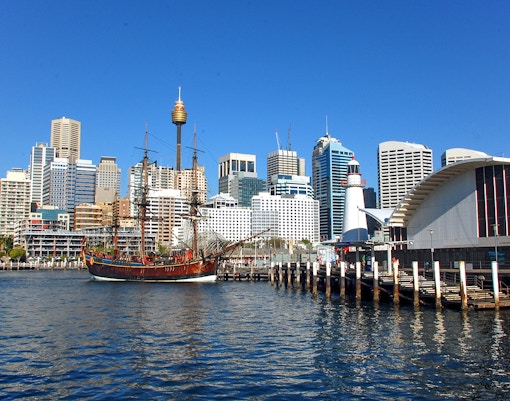
Boats docked at Darling Harbour with city skyline in Sydney.

Day 3: Ferries & neighborhoods

  • Morning: Catch a ferry from Circular Quay to Manly (about 30 minutes), enjoying one of Sydney’s most scenic commutes. Walk along Manly Beach or explore the Corso at a relaxed pace.
  • Midday: Have lunch in Manly, choosing a casual beachfront café or pub. After lunch, take a short coastal walk or relax near the water.
  • Afternoon: Return to Circular Quay by ferry, then visit the Museum of Contemporary Art (MCA). Allow 1–1.5 hours, focusing on the permanent collection.
  • Evening: Finish your trip in Darling Harbour, with dinner near the waterfront and an evening walk along the promenade. Light rail, buses, and ferries make returning easy.

Booking note: Ferries are frequent but can be busy on weekends; arrive early to avoid queues.

How to get around Sydney

Sydney has an extensive public transport network covering trains, buses, ferries, and light rail, all integrated under the Opal ticketing system. Visitors can use an Opal card or contactless payment with a credit or debit card, with daily and weekly fare caps that help control costs.
Metro/Urban Rail
Bus
Ferry / water transport
Taxi / Ride-hail 
Bike & scooter
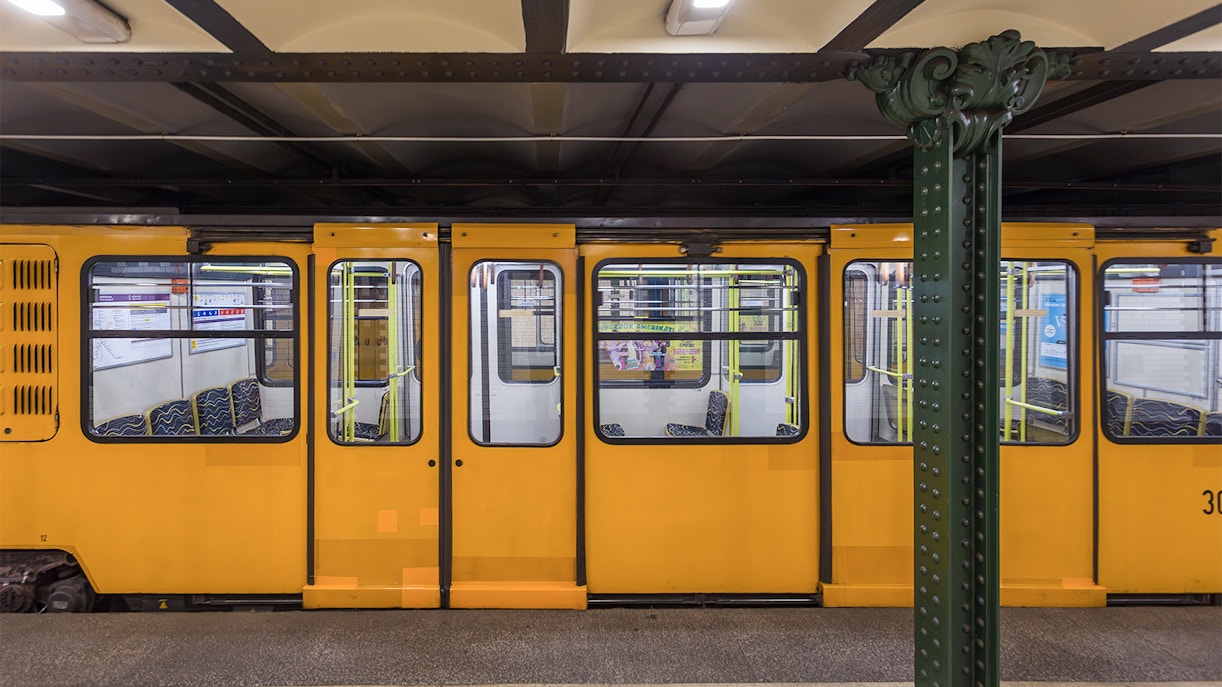
Yellow metro train at a station platform.
  • Best for: Fast travel between the CBD, suburbs, and major hubs.
  • Network & coverage: Suburban rail network plus Sydney Metro lines serving the CBD, western suburbs, and growing metro corridors.
  • Hours & frequency: Trains generally run from 4am–midnight, with peak services every 5–10 minutes.
  • Major sights connected: Central Station, Circular Quay, Town Hall, Bondi Junction, Parramatta.
  • Fares & passes: Typical CBD journeys cost AUD 4–6, with a daily cap of AUD 17.80 and AUD 8.90 on Sundays.
  • Interchange: Opal and contactless payments work across trains, buses, ferries, and light rail.
  • Accessibility: Most major stations have lifts, ramps, and tactile guidance, though some older stations remain step-only.
passengers inside a bus
  • Best for: Reaching beaches, neighborhoods, and areas not served by rail.
  • Network & coverage: Extensive citywide network covering the CBD, coastal suburbs, and residential areas.
  • Hours & frequency: Services run from early morning to late night, with frequent routes during peak hours.
  • Major sights connected: Bondi Beach, Coogee, Paddington, Manly access points, inner suburbs.
  • Fares & passes: Short trips start around AUD 2.24, with fares capped under the same AUD 17.80 daily limit.
  • Interchange: Opal and contactless payments are valid across all modes.
  • Accessibility: Most buses are low-floor and wheelchair accessible, with priority seating.
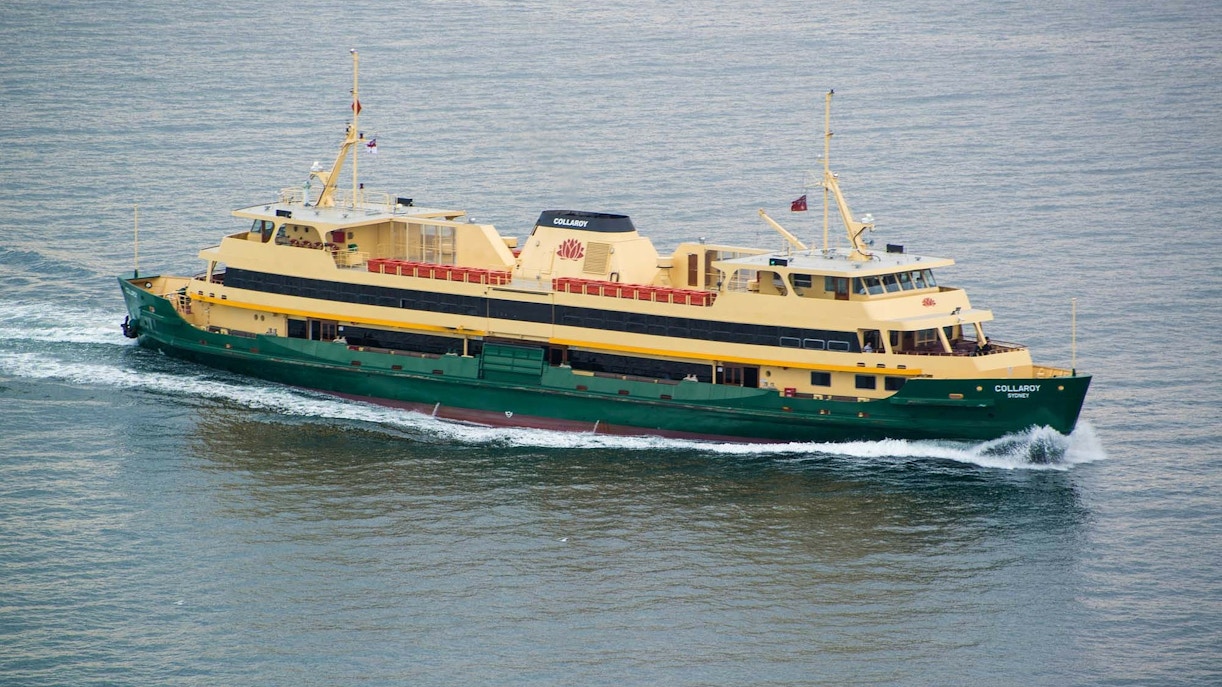
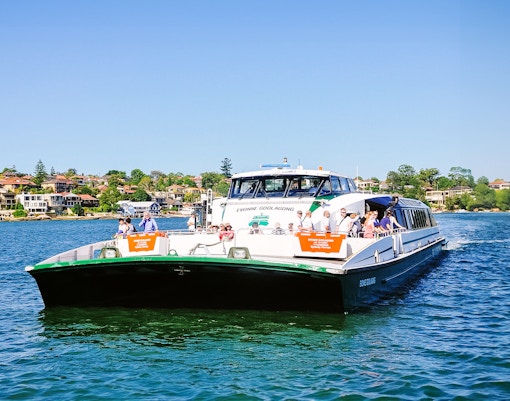
ferry in sydney
  • Best for: Scenic travel and harbor sightseeing.
  • Network & coverage: Ferry routes across Sydney Harbour and Parramatta River.
  • Hours & frequency: Core routes run every 15–30 minutes, with reduced late-night services.
  • Major sights connected: Circular Quay, Manly, Darling Harbour, Taronga Zoo, Watsons Bay.
  • Fares & passes: Typical ferry trips cost AUD 6–8, capped within the AUD 17.80 daily limit and AUD 8.90 Sundays.
  • Interchange: Fully integrated with Opal and contactless payments.
  • Accessibility: Major wharves are accessible, but boat access can vary with tides.
Taxi sign illuminated at night in a city setting.
  • Best for: Late-night travel or direct point-to-point trips.
  • Network & coverage: Widely available across Sydney, including airports and outer suburbs.
  • Hours & frequency: Available 24/7, though wait times rise during peak hours and events.
  • Major sights connected: All districts, nightlife areas, and beaches.
  • Fares & passes: Typical CBD trips cost AUD 15–30; airport to CBD fares range AUD 45–60 including tolls.
  • Interchange: Not integrated with Opal or public transport caps.
  • Accessibility: Wheelchair-accessible taxis are available but should be pre-booked.
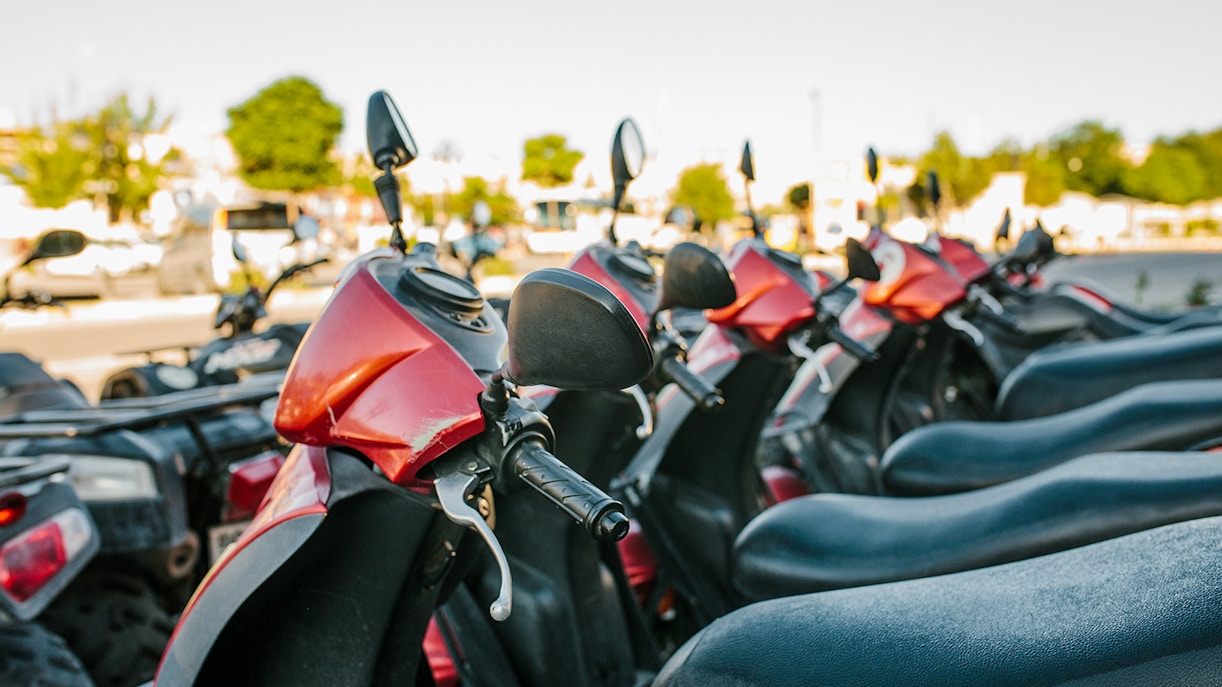
scooters in a parking lot
  • Best for: Short trips and harbor-side cycling.
  • Network & coverage: Growing network of bike lanes, especially in the CBD and inner suburbs.
  • Hours & frequency: App-based bike and scooter hire available 24/7.
  • Major sights connected: Darling Harbour, Circular Quay, Barangaroo, Centennial Park.
  • Fares & passes: Hire typically costs AUD 1 to unlock plus AUD 0.45–0.55 per minute, depending on provider.
  • Interchange: Separate from public transport ticketing.
  • Accessibility: Helmets are legally required, and infrastructure varies by area.

Exploring with kids

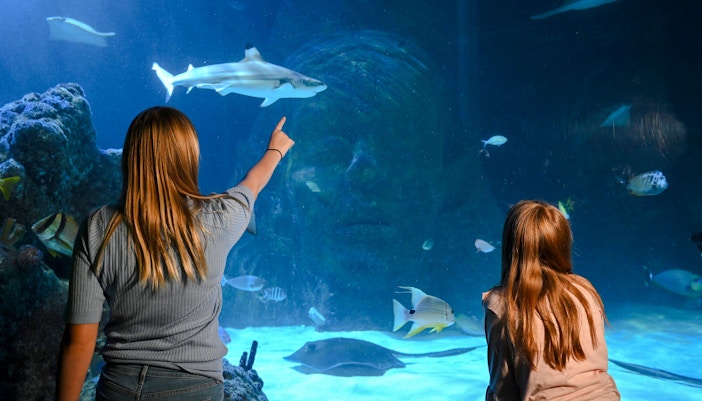
mother with child at an aquarium

Babies & toddlers 

  • Sydney’s foreshore areas like Darling Harbour and the Royal Botanic Garden are flat and stroller-friendly, with wide paths and shaded seating.
  • Major attractions such as SEA LIFE Sydney Aquarium and the Australian Museum provide baby-changing facilities and indoor spaces for feeding breaks.
  • Cafés are generally accommodating to families, with flexible seating and early opening hours.
  • Ferries allow strollers but can feel crowded at peak times, especially on weekends.
  • Plan outdoor activities early in the day to avoid heat and strong sun.
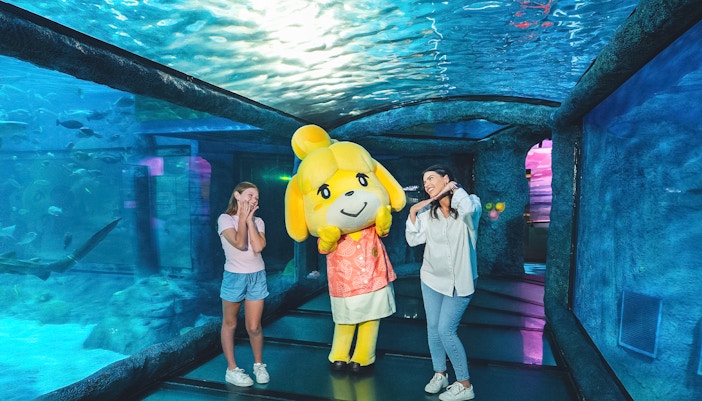
Mother and daughter with aquarium mascot at SEA LIFE Sydney Aquarium.

Younger kids (Ages 4-11)

  • Hands-on attractions like SEA LIFE Sydney Aquarium, Taronga Zoo, and the Australian Museum mix learning with play.
  • Beaches such as Manly and sheltered harbor pools offer calmer swimming options for children.
  • Open spaces like Darling Harbour playgrounds and Centennial Park allow breaks between sightseeing.
  • Booking zoos and aquariums ahead helps avoid queues during school holidays.
  • Food courts and casual cafés near beaches offer kid-friendly menu options.
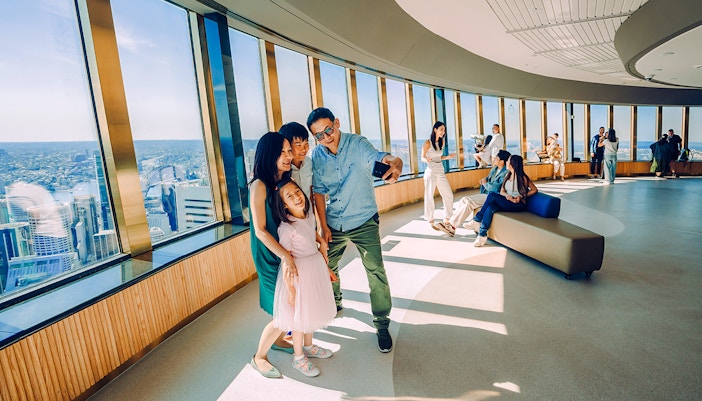
Family taking a selfie on the viewing deck of Sydney Tower Eye.

Older kids

  • Active experiences like coastal walks, ferry rides, and surfing lessons appeal to older kids.
  • The Sydney Tower Eye and Harbour Bridge pedestrian walkway offer memorable city views.
  • Shopping areas like Pitt Street Mall and Chatswood suit browsing-focused teens.
  • Public transport makes it easy for families to move independently without long walks.
  • Evening harbor areas feel lively without being overwhelming for families.

Traveling solo in Sydney

  • Sydney’s CBD, The Rocks, Surry Hills, and Bondi are safe for solo exploration during the day and early evening.
  • Trains, buses, and ferries run late, making it easy to get back after dinner or events.
  • Hostels, co-working cafés, and social bars cluster in the CBD and Surry Hills.
  • Early mornings suit solo photo walks around Circular Quay and coastal paths.
  • Opal fare caps help solo travelers manage transport costs predictably.
  • Walking tours, surf lessons, and small-group day trips offer easy ways to meet others.
  • Standard precautions apply late at night, especially around nightlife-heavy strips.
  • Solo dining is common, particularly at cafés, food halls, and bar seating.

Where to stay in Sydney

hotel room

CBD (Central Business District)

Sydney’s CBD is the most practical base for first-time visitors who want easy access to major sights, transport, and dining. Staying here puts Circular Quay, Darling Harbour, Pitt Street Mall, and ferry terminals within walking distance. Accommodation ranges from budget hostels to high-end business hotels, making it flexible for different budgets. Transport connections are excellent, with Town Hall, Wynyard, and Central stations linking trains, buses, ferries, and light rail. The biggest advantage is convenience and time efficiency, especially for short stays. The downside is that the area can feel busy and corporate during weekdays, with higher hotel prices and less neighborhood character at night. Dining options are broad, but nightlife is calmer compared to inner suburbs.

hotel room

The Rocks

The Rocks suits travelers who value history, harbor views, and walkable access to Sydney’s most iconic landmarks. The area sits next to Circular Quay, making it ideal for ferry trips and early-morning sightseeing around the Opera House and Harbour Bridge. Accommodation focuses on boutique hotels and heritage-style properties rather than budget options. The atmosphere feels quieter at night, especially on weekdays, which appeals to couples and slower-paced travelers. The main drawback is price, as hotels here are generally more expensive. Dining skews toward pubs, historic taverns, and mid-range restaurants. Transport access is excellent via Circular Quay, though steep streets can be challenging for those with mobility concerns.

hotel room

Surry Hills

Surry Hills is ideal for travelers who want a local feel with strong food and café culture. Known for independent restaurants, bakeries, and creative energy, it appeals to repeat visitors and food-focused travelers. Accommodation includes boutique hotels, serviced apartments, and smaller guesthouses. The area is well connected by buses and is within walking distance of Central Station, making airport and regional travel easy. Surry Hills feels lively without being overwhelming, especially in the evenings. The downside is fewer headline attractions nearby, meaning some sightseeing requires short transport trips. Noise levels are moderate, with busier streets near dining hubs and quieter residential pockets nearby.

hotel room

Bondi & Eastern Beaches

Bondi and nearby eastern beach suburbs suit travelers who prioritize beach access, coastal walks, and a relaxed pace. Accommodation ranges from hostels to mid-range hotels and apartments, often offering better value for longer stays. The area feels active during the day and quieter at night, with casual dining and cafés dominating the scene. The main drawback is distance from the CBD, with travel times of 35–50 minutes by bus and train combinations. Transport is reliable but can be crowded during peak beach hours. This area works best for summer visits, longer stays, and travelers comfortable trading convenience for coastal atmosphere.

Price ranges by zone: AUD 40–80/night (hostels/shared stays), AUD 170–300/night (mid-range hotels), AUD 400+/night (luxury and harbor-view stays)
Neighborhood walks & hidden gems

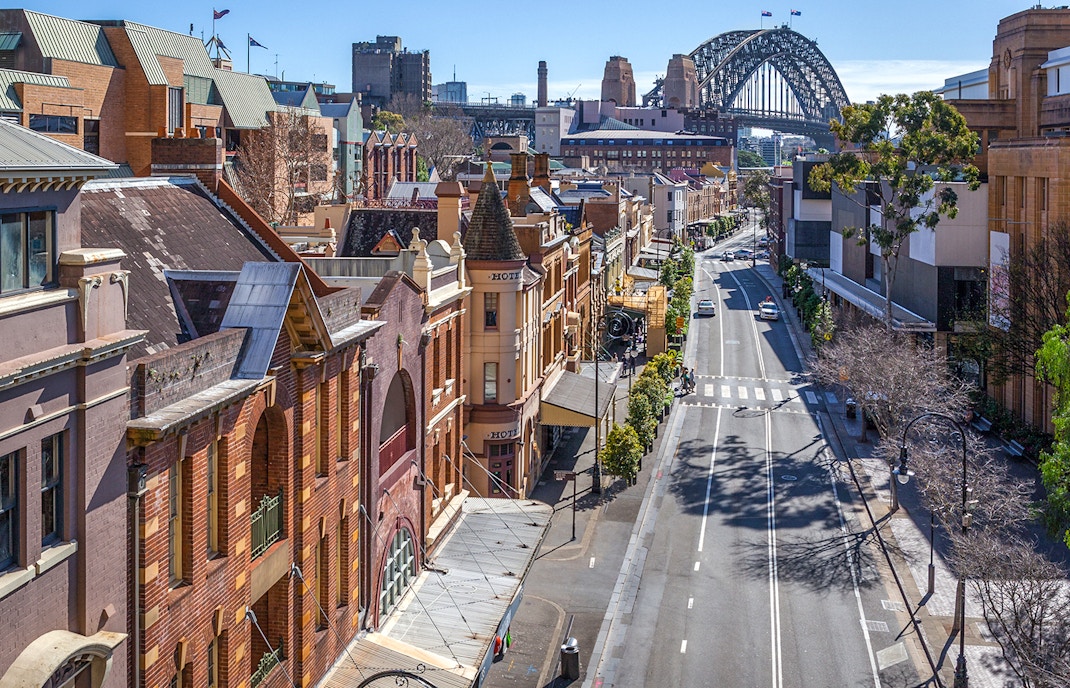
Historic street view in The Rocks, Sydney, with the Sydney Harbour Bridge in the background.

Walking routes

Walking Route 1: Harbour History Loop

  • Start: Circular Quay → The Rocks laneways → Observatory Hill → Walsh Bay → End: Barangaroo Reserve
  • Distance: ~2.8 km
  • Anchors: Historic streets, sandstone architecture, harbor viewpoints, waterfront paths, green spaces, quiet lookouts

Walking Route 2: City to Sea Stretch

  • Start: Hyde Park → Art Gallery area → Woolloomooloo Finger Wharf → Mrs Macquarie’s Chair → End: Royal Botanic Garden
  • Distance: ~3.2 km
  • Anchors: Urban parks, cultural buildings, waterfront promenades, skyline views, harborside seating areas
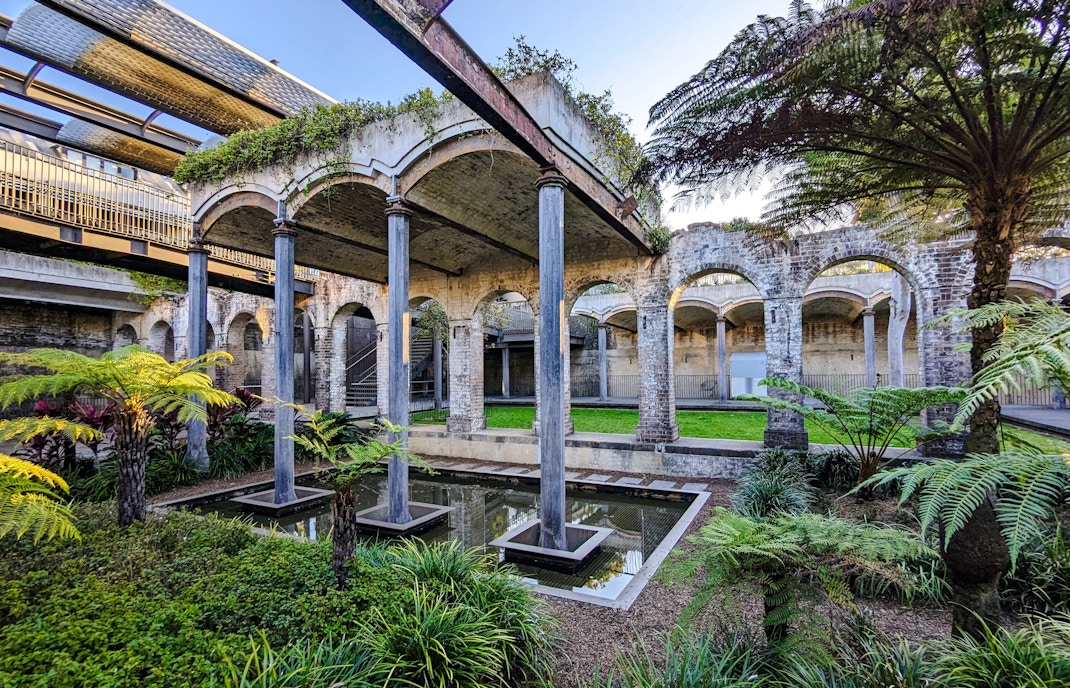
Paddington Reservoir Gardens in Australia with arches, greenery, and water features.

Hidden gems 

  • Observatory Hill Park: A calm hilltop park offering one of the best free views of the Harbour Bridge and western harbor without Circular Quay crowds.
  • Wendy Whiteley’s Secret Garden: A tucked-away harborside garden in Lavender Bay created by an artist, filled with winding paths and unexpected harbor views.
  • Carriageworks Farmers Market: A Saturday-only market focused on local produce and artisan food, popular with locals and chefs rather than tourists.
  • Paddington Reservoir Gardens: A former water reservoir transformed into a sunken garden, combining industrial ruins with quiet seating and greenery.
  • Milk Beach: A small, sheltered harbor beach with clear water and Opera House views, offering a quieter alternative to Bondi or Manly.

Food, drink & nightlife

Sydney’s food scene is shaped by its coastal setting and multicultural population, blending fresh seafood with strong Asian, Middle Eastern, and Mediterranean influences. Dining is relaxed and social, with breakfast and lunch taken seriously and dinner often casual rather than formal. Neighborhood cafés, pubs, and waterfront restaurants define how locals eat and drink.

Signature dishes 
Where locals eat & drink 
Nightlife
Food markets
meat pies
  • Barramundi: A locally sourced white fish, typically grilled or pan-fried, best tried at modern Australian restaurants or coastal venues.
  • Fish and chips: A beachside staple, commonly eaten near Bondi or Manly with takeaway packaging.
  • Avocado toast: A brunch favorite across Sydney, often topped with feta or chili at cafés in Surry Hills and Bondi.
  • Salt and pepper squid: Lightly fried seafood dish frequently served at pubs and casual waterfront restaurants.
  • Meat pie: A classic Australian pastry filled with minced meat and gravy, found at bakeries and sports venues.
  • Lamington: A sponge cake coated in chocolate and coconut, available at bakeries and markets.
  • Flat white: A smooth espresso-based coffee that reflects Sydney’s strong café culture.
seafood platter
  • The Grounds of Alexandria (Alexandria): A large café and dining space known for seasonal menus and relaxed daytime dining.
  • Harry’s Café de Wheels (Woolloomooloo): A long-running takeaway spot famous for late-night meat pies near the harbor.
  • Golden Century (Chinatown): A well-known Cantonese restaurant popular for seafood and late-night dining.
  • Sean’s Panorama (Bondi): A beachfront restaurant focused on seasonal Australian ingredients and ocean views.
  • Chat Thai (CBD): A casual Thai restaurant offering affordable, flavor-driven meals in the city center.
  • The Lord Dudley (The Rocks): A historic pub serving classic pub food with harbor-area atmosphere.
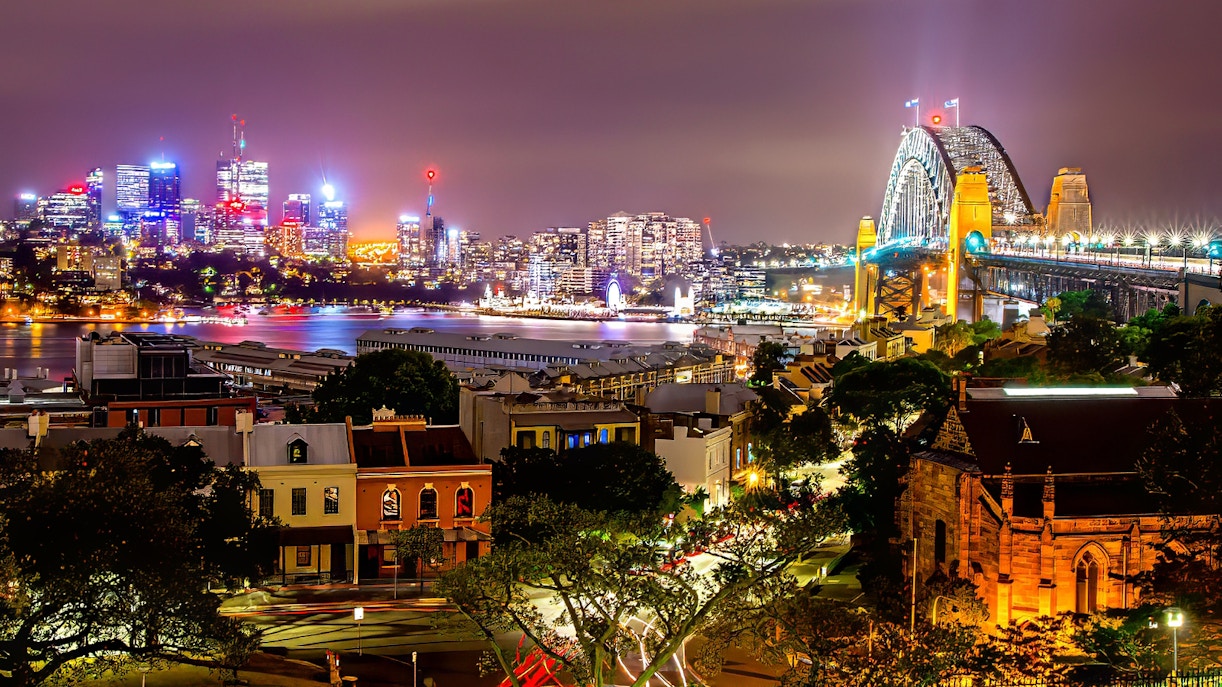
Sydney Harbour Bridge and city skyline illuminated at night during Sydney Night Tour.
  • Surry Hills: Known for wine bars, cocktail lounges, and relaxed late-night dining.
  • Darling Harbour: Popular for evening walks, waterfront bars, and entertainment venues.
  • Oxford Street (Darlinghurst): A hub for LGBTQ+ nightlife with bars, clubs, and performance spaces.
  • Bondi: Casual bars and pubs with early evenings and relaxed beachside energy.
  • CBD: Small cocktail bars and hotel lounges, many hidden in laneways or basements.

Late-night food is easiest to find in the CBD, Chinatown, and Darlinghurst.

seafood skewers
  • Sydney Fish Market (Pyrmont): One of the largest seafood markets in the world, offering fresh fish, oysters, and ready-to-eat seafood; best visited in the morning or early afternoon.
  • Carriageworks Farmers Market (Eveleigh): A Saturday-only market focused on local produce, baked goods, and artisan food, popular with locals and chefs.
  • Chinatown Night Markets (Seasonal): Evening food stalls and street snacks that bring energy to Dixon Street during warmer months.

Where to shop

Tourists browsing souvenirs in a store.

Souvenirs

For dependable Australian souvenirs, head to The Rocks and Circular Quay, where you’ll find locally made food products, Indigenous-designed gifts, and Sydney-themed keepsakes.

Woman browsing books in a bookstore.

Books

Independent bookstores cluster in Paddington, Surry Hills, and the CBD, offering strong selections in Australian literature, art, and local history alongside international titles.

visitors inside art gallery

Art prints

Browse small galleries and creative stores in Paddington and Newtown, where photography, illustration, and limited-edition prints reflect Sydney’s contemporary art scene.

Vintage clothing on hangers at a street shop.

Vintage

Newtown and Surry Hills are Sydney’s vintage hubs, known for curated secondhand clothing, retro accessories, and affordable thrift finds with a strong local following.

Female customer browsing clothes on hangers in a clothing store.

Clothing

For mainstream fashion and Australian brands, Pitt Street Mall and Westfield Sydney lead the way, while Oxford Street and Paddington offer independent designers and boutique shopping.

Accessibility features

Wheelchair in a museum setting highlighting accessibility features.

Public transport

Sydney’s transport network is increasingly accessible, with staffed ticket gates at major stations and step-free access at many CBD hubs. Most buses and light rail vehicles are low-floor with priority seating. Ferries and wharves vary by route, but newer vessels support wheelchair access. The Opal system and transport apps include accessibility filters, and staff assistance is available at central stations.
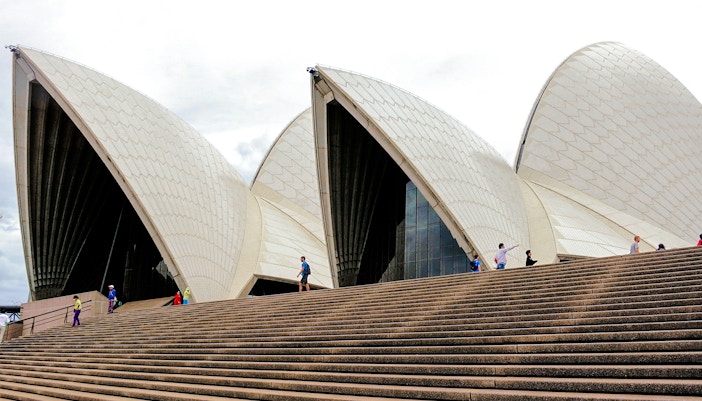
Sydney Opera House sails with visitors on the steps, Australia.

Attractions

Major attractions such as the Sydney Opera House, Australian Museum, MCA, and SEA LIFE Aquarium offer step-free entry and accessible restrooms. Many provide audio guides, captioned media, and accessible seating, though specific exhibitions may require advance notice. Wheelchair hire and companion access policies vary by venue, so checking ahead is recommended.

Two girls holding a map

Resources

  • Transport for NSW – Accessible Travel: Official accessibility maps and service updates
  • Sydney for All: City resource highlighting accessible venues and experiences
  • Companion Card NSW: Program supporting people who require attendant care

Exploring Sydney on a budget

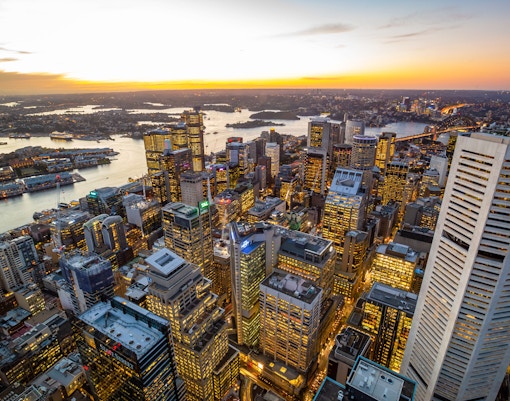
Aerial view of Sydney skyline at sunset with Sydney Harbour in the background.

Average daily costs

  • Sydney can be expensive, but transport caps and free attractions help manage costs.
  • Accommodation is the biggest variable, especially near beaches and the harbor.
  • Casual dining and markets offer better value than sit-down restaurants.
  • Hostel double room: AUD 80–140 per night
  • Mid-range hotel: AUD 200–320 per night
  • Daily transport cap: AUD 17.80 (AUD 8.90 Sundays)
  • Coffee: ~AUD 5.00
  • Dinner for two (casual): AUD 65–95
  • Beer/pint: AUD 10–14
  • Major attraction ticket: AUD 35–50
Person booking tickets online with a laptop and credit card at home.

Book early

  • Booking ahead matters most during summer and major events.
  • Prices rise sharply around New Year’s Eve, Vivid Sydney, and school holidays.
  • Early bookings secure better locations, not just lower prices.
  • Flights & hotels: Book 3–6 months ahead for summer and festival periods
  • Savings: Early hotel bookings can save 20–30%
  • Attractions: Online tickets are often cheaper than walk-up prices
Sydney ferry on the water with passengers, cityscape in the background.

Free & low-cost experiences 

  • Sydney offers many high-quality outdoor experiences at no cost.
  • Free attractions cluster around the harbor and CBD.
  • Mixing free sights with ticketed ones keeps daily spend down.
  • Walk the Royal Botanic Garden and harbor foreshore paths
  • Visit Mrs Macquarie’s Chair for free skyline views
  • Explore The Rocks and weekend markets
  • Use ferries as sightseeing within daily fare caps
  • Visit Australian Museum and MCA permanent collections
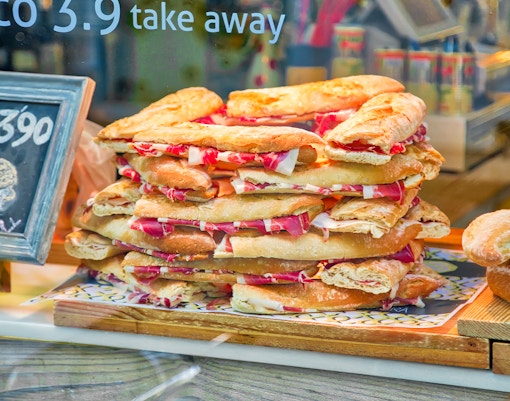
sandwich at a restaurant

Cheap eats

  • Eating well on a budget is easiest at markets and casual strips.
  • Lunch menus are cheaper than dinner at most venues.
  • Beachside takeaway beats waterfront dining prices.
  • Chinatown (Dixon Street): Noodles and rice dishes under AUD 18
  • Sydney Fish Market: Fresh seafood without restaurant markups
  • Newtown: Casual cafés and global street food
  • Food courts (CBD): Reliable meals for AUD 12–18
  • Bakeries: Meat pies and sandwiches for quick, low-cost lunches

Apps & tools

  • Transport for NSW: The official app for trains, buses, ferries, and light rail, showing real-time departures, service disruptions, and fare estimates across Sydney.
  • Citymapper: A reliable navigation app that compares public transport, walking, cycling, and ride-hail options to find the fastest routes in Sydney traffic.
  • Google Maps (Offline): Download Sydney maps for offline use to navigate neighborhoods, coastal walks, and ferry wharves without mobile data.
  • Uber: Widely used for late-night travel, beach trips, and direct airport transfers when public transport is less convenient.
  • Uber Eats: A popular food delivery app with wide coverage across Sydney, useful for nights in or beachside accommodation.
  • Visit NSW App: The official tourism app highlighting attractions, events, seasonal activities, and nearby experiences across the city and state.
  • Google Translate: Helpful for menus, signage, and conversations in multicultural areas, even though English is the primary language.

Best tips for exploring Sydney

Money matters

  • Cards and contactless payments are accepted almost everywhere, including public transport.
  • Cash is rarely needed, though AUD 20–40 can help at small stalls or markets.
  • ATMs are widespread, but international cards may incur fees.

Ideal duration

  • 3 days covers major landmarks, a beach, and neighborhoods.
  • 4–5 days allows ferries, coastal walks, and museums.
  • 6+ days suits travelers adding multiple day trips.

Safety & scams

  • Sydney is generally safe, especially in central and beach areas.
  • Watch belongings in crowded tourist zones and on busy ferries.
  • Stick to well-lit streets late at night.

Cultural norms

  • Dress is casual, including at most restaurants.
  • Queueing is expected at cafés, transport, and attractions.
  • Tipping is optional and modest when given.

Mobility tips

  • Comfortable walking shoes are essential for coastal paths.
  • Ferries double as sightseeing within daily fare caps.
  • Beaches and suburbs often require bus connections.

Local swaps

  • Instead of Bondi on weekends, try Manly or Coogee for more space.
  • Instead of Darling Harbour dining, try Surry Hills for better value.
  • Instead of CBD bars, try Newtown for a more local scene.

Plan for crowds (Pre-book list)

  • Sydney Opera House tours or performances
  • Harbour Bridge Climb
  • New Year’s Eve viewing areas
  • Vivid Sydney events
  • Taronga Zoo Sky Safari

Responsible tourism

  • Use refill stations instead of bottled water.
  • Respect coastal environments and follow beach safety flags.
  • Support local cafés, markets, and independent businesses.
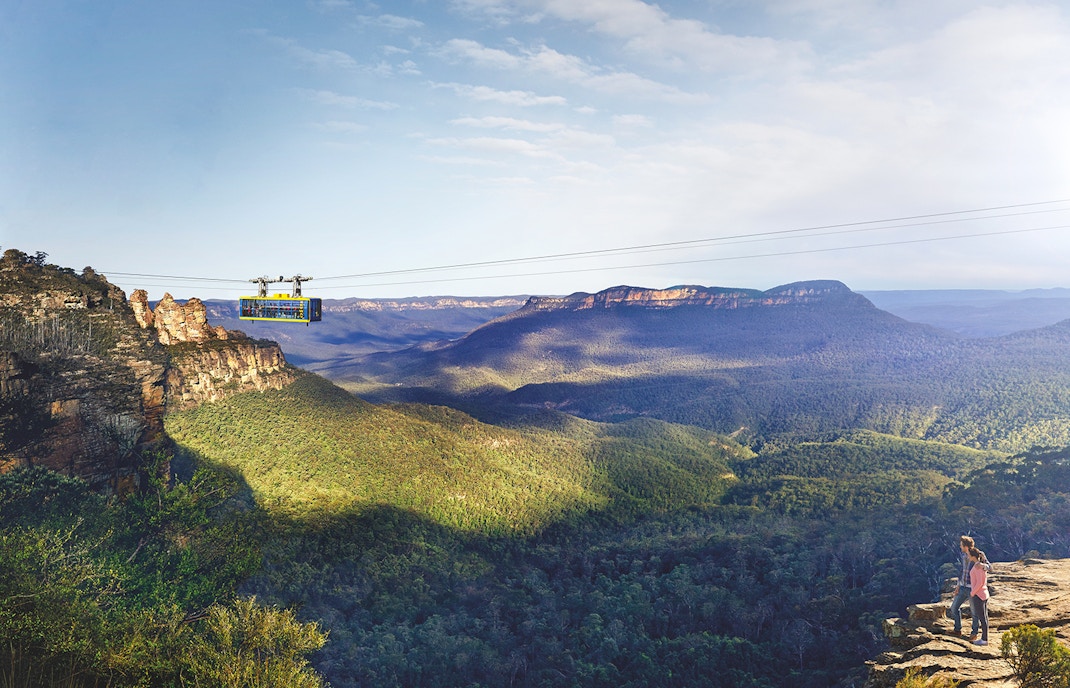
Cableway at Scenic World, Blue Mountains with passengers above forested landscape.
Vineyard path in Hunter Valley, Sydney with mountain backdrop.
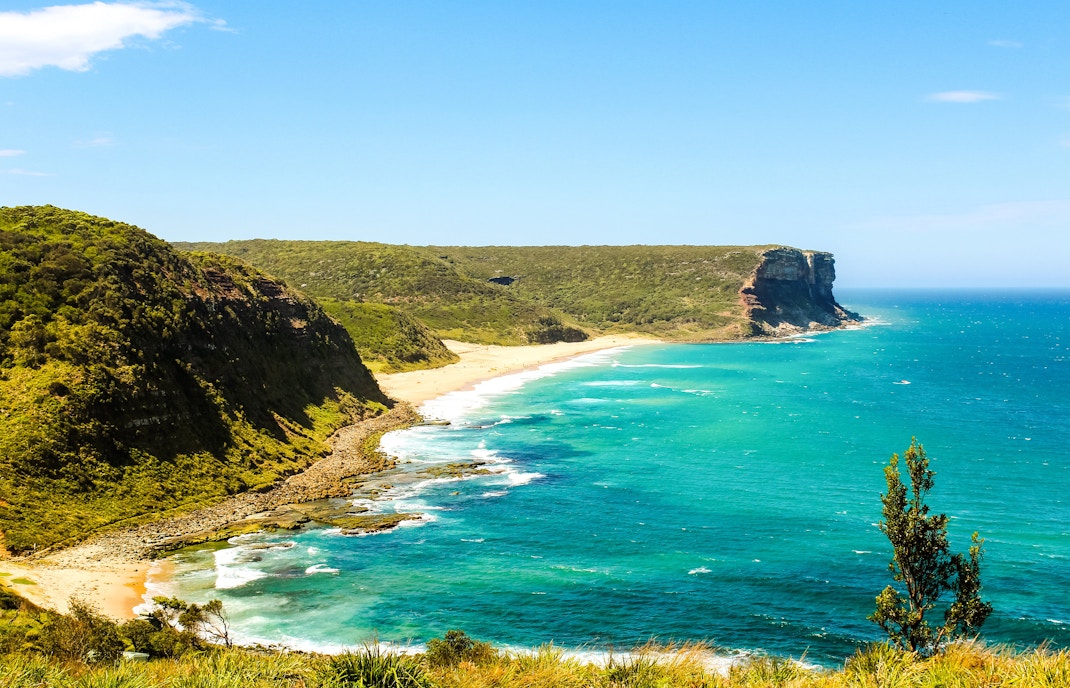
Royal National Park near Sydney

Royal National Park

🚄 + 🚌 ~1.5 hours

One of the world’s oldest national parks, featuring coastal walks, beaches, and waterfalls. Check weather before planning hikes.
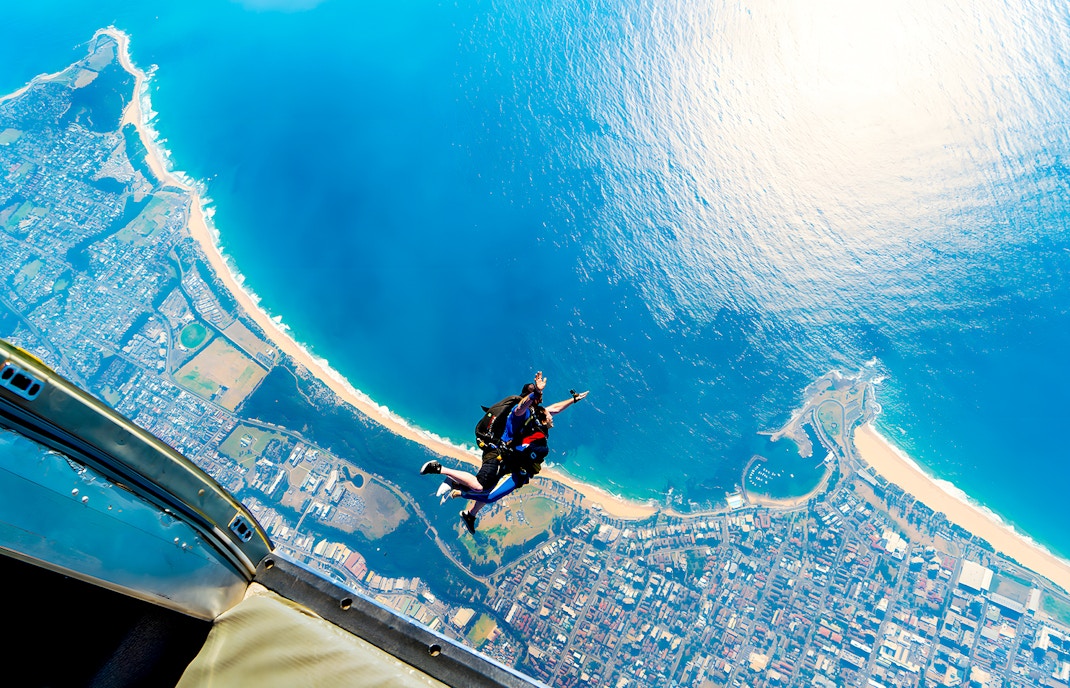
Skydiving instructor and guest tandem jump over Wollongong coastline.

Wollongong

🚄 ~1.5 hours by train

A coastal city south of Sydney offering beaches, cliff walks, and a slower pace than the capital.

Frequently asked questions about traveling to Sydney

How do I get from the airport to the city?

Take the Airport Link train, a taxi, or a ride-hail service depending on budget and luggage.

Is Sydney safe at night for solo travelers? 

Yes, especially in central and beach areas, with standard city precautions.

Are shops and museums open on Sundays or holidays?   

Most are open, though hours may be shorter outside the CBD.

Is the tap water safe to drink?  

Yes, Sydney's tap water is safe and high quality.

Do I need cash, or are cards enough?   

Cards are accepted almost everywhere, but carry some cash for markets and small vendors.

What are the best SIM options for tourists? 

Telstra, Optus, and Vodafone offer prepaid SIMs at the airport and convenience stores.

Is it better to explore Sydney independently or with tours?

Independent travel works well, though tours add value for day trips and harbor experiences.

What transport tips should I know?

Use contactless payments and take ferries as part of sightseeing.

Do I need to tip in restaurants in Sydney?

Tipping is not required, but rounding up or leaving 10% for great service is appreciated.

What’s a good rainy-day plan?

Focus on museums, galleries, markets, cafés, and performances.

Are day trips easy without a car?

Yes, destinations like the Blue Mountains and Wollongong are easily reached by train.