Blue Mountains Wildlife | Discover Native Australian Species in Their Natural Habitat

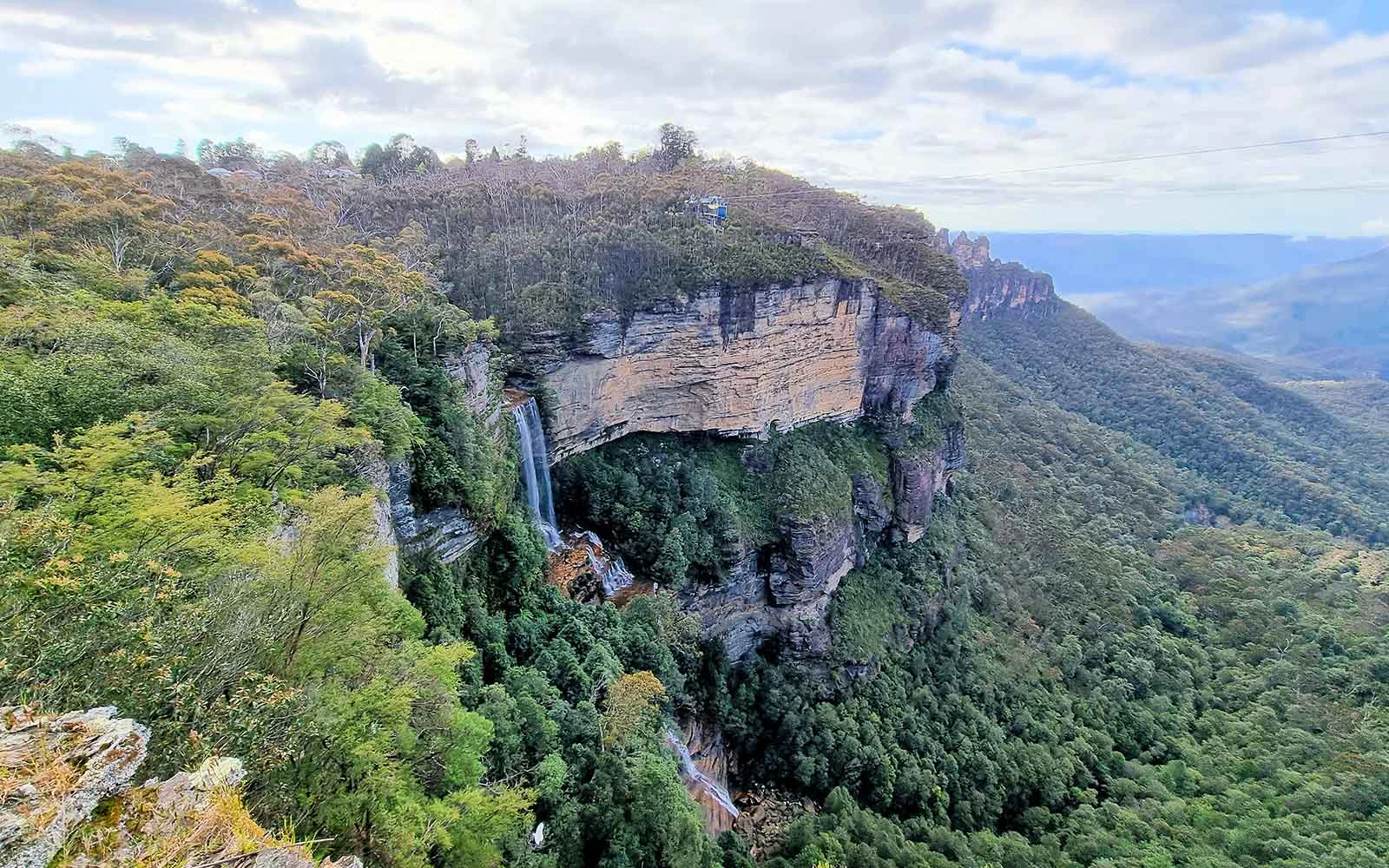
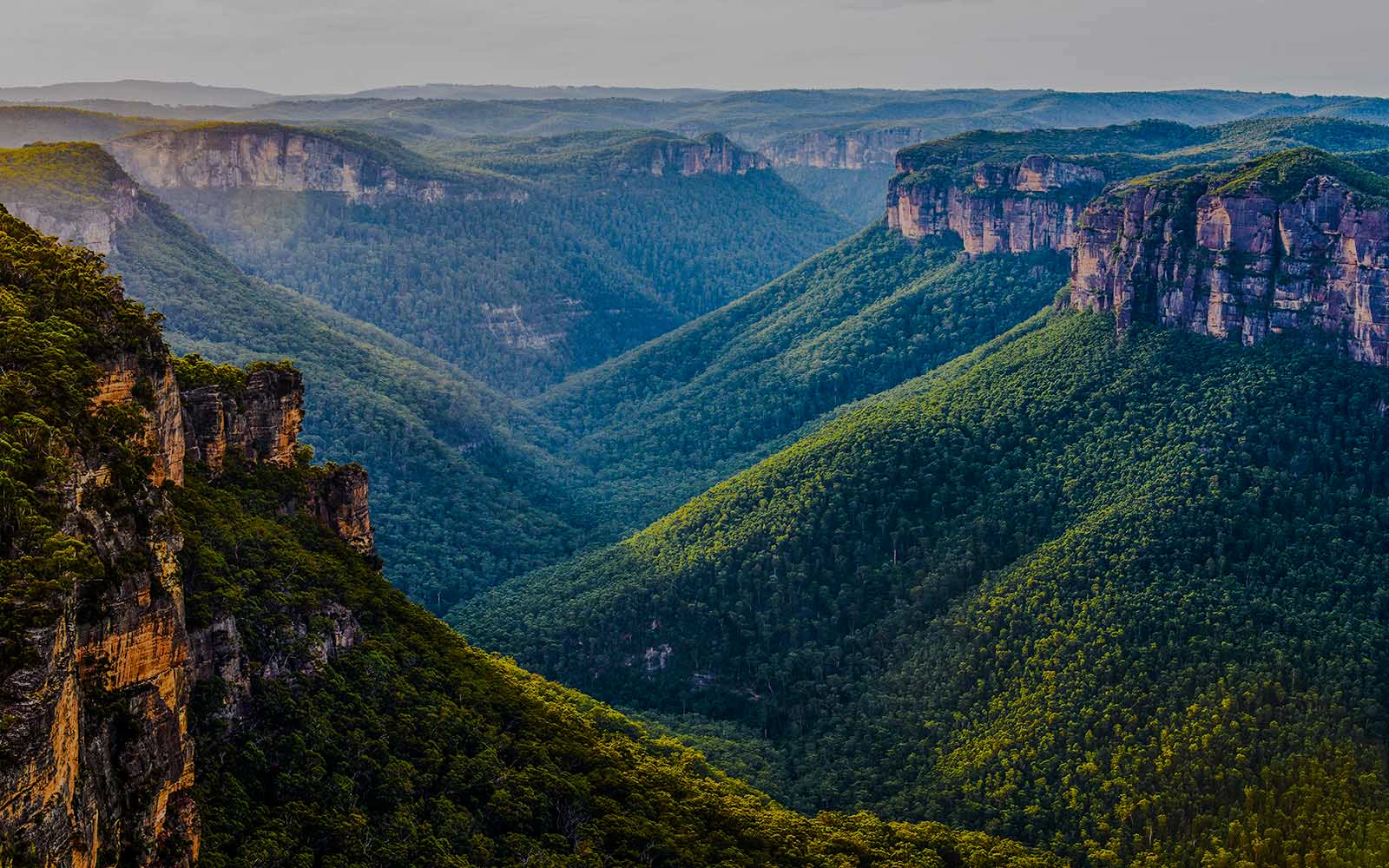
The Blue Mountains, just 60 km west of Sydney, are known for their eucalyptus forests, dramatic cliffs, and misty valleys. But beyond the iconic views lies a rich and ancient ecosystem teeming with native Australian wildlife. If you’re heading into this World Heritage-listed wilderness, this guide will help you understand what creatures to expect, when and where to spot them, and how to experience it all responsibly.

Meet the wildlife in Blue Mountains

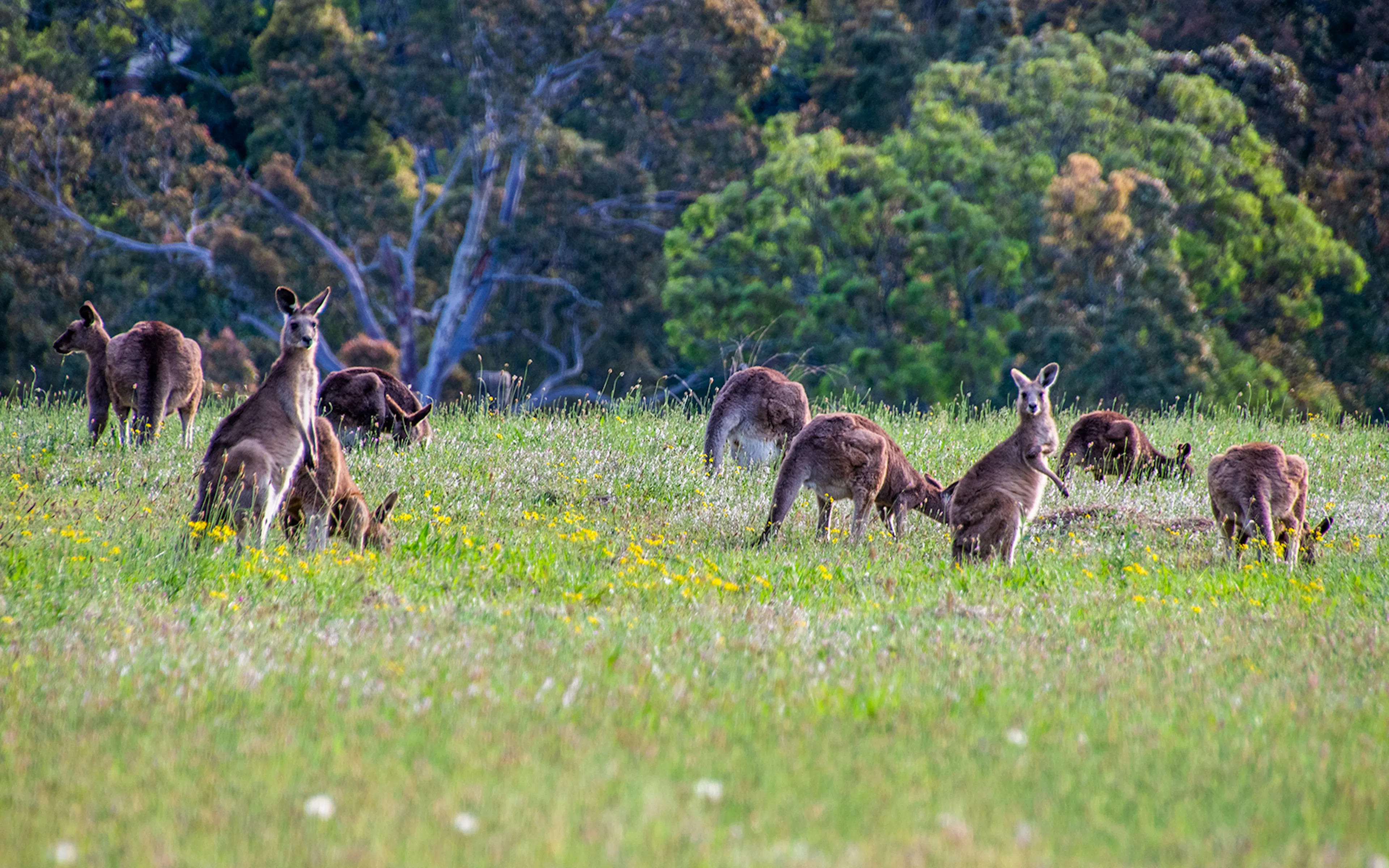
Eastern Grey Kangaroo
1/14

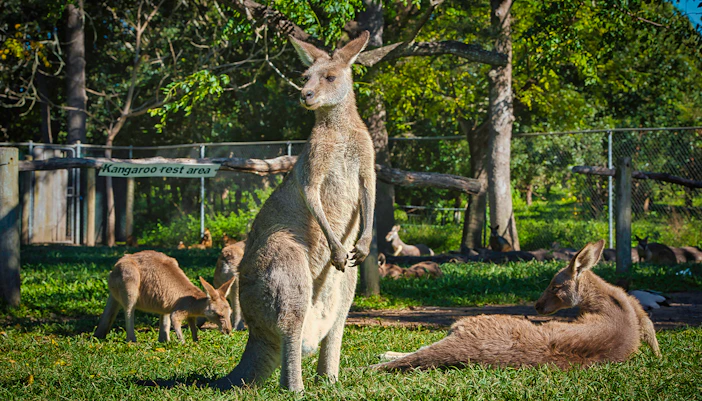
Eastern Grey Kangaroo

These tall, grey kangaroos often gather in mobs and graze in clearings around Glenbrook and Megalong Valley, especially at sunrise or sunset. Near Euroka Clearing, you may spot them just off the trail.

Common Wombat

Stout, brown-furred wombats are expert diggers, spending most of the day in burrows and emerging in the late afternoon to feed, commonly near Jenolan Caves and Kanangra-Boyd National Park.

Greater Glider

This nocturnal marsupial has fluffy ears and thick fur, gliding silently between eucalyptus trees using a wrist-to-ankle skin membrane. Spot them on a night tour in the Grose and Jamison valleys.

Lyrebird

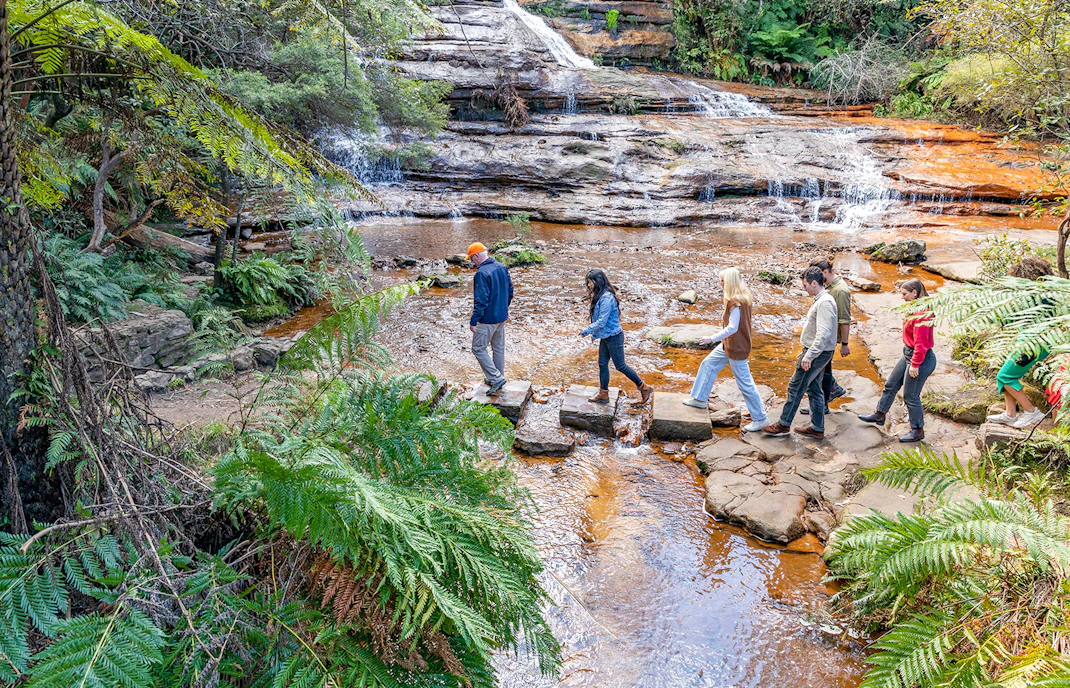
The superb lyrebird, with long tail feathers and a brown body, is famous for mimicking chainsaws, camera shutters, and other birds. Hear them before spotting them in fern-filled gullies near Leura Falls and Govetts Leap.

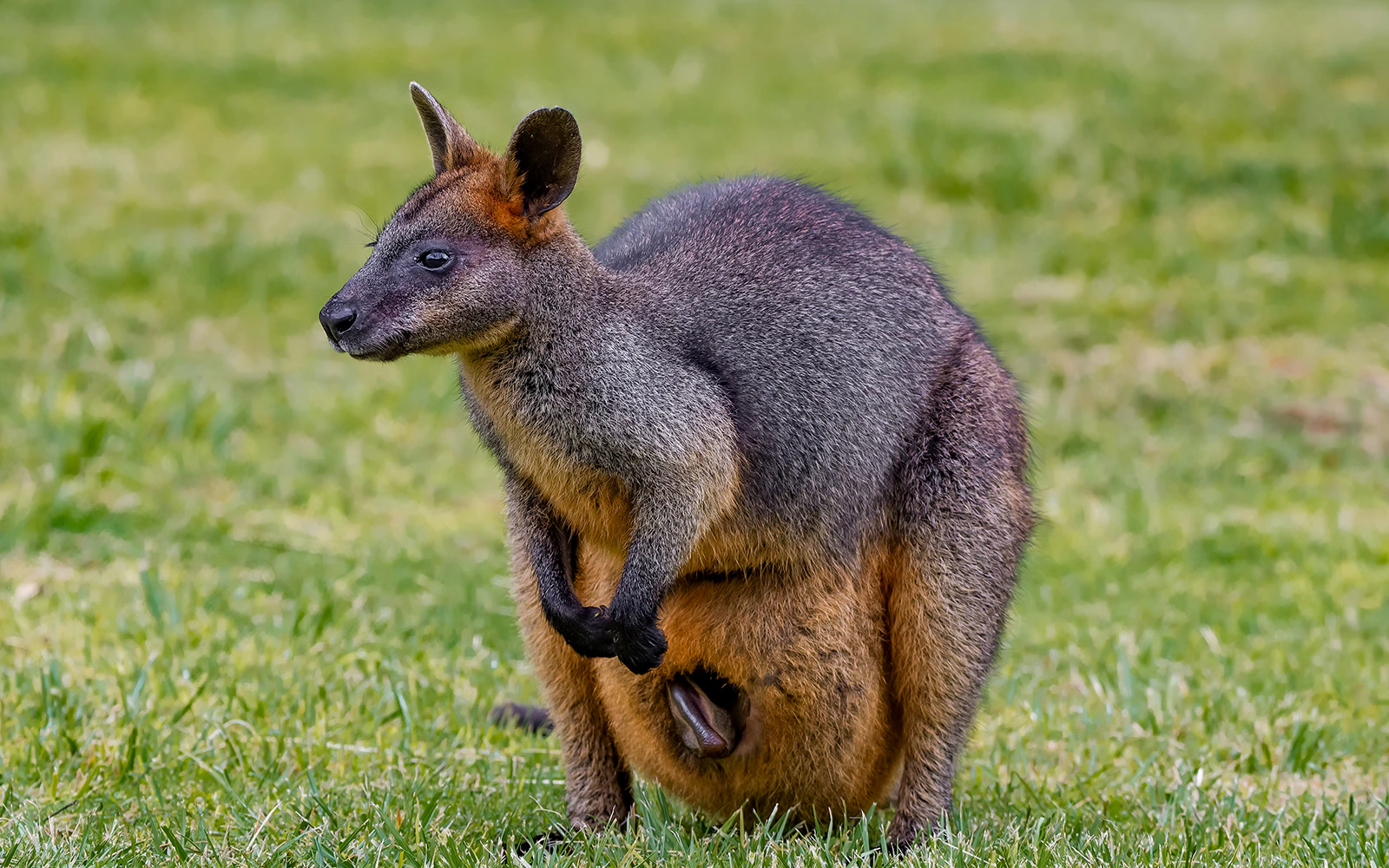
Red-necked Wallaby

Shy and solitary, these mid-sized marsupials have reddish fur on the neck and shoulders. Found in forest edges and grassy undergrowth, they’re often seen at dusk near Blackheath, hopping across clearings or resting under acacias.

Tiger Quoll

The tiger quoll, Australia’s largest mainland carnivorous marsupial, has brown fur with white spots and a powerful jaw. Rare and nocturnal, it inhabits remote forests like Newnes Plateau, with sightings mostly on overnight treks.

Dingo

Australia’s wild dog, with sandy fur and alert ears, is the top predator. Rare in the Blue Mountains, dingoes are mostly heard in remote areas and generally avoid humans.

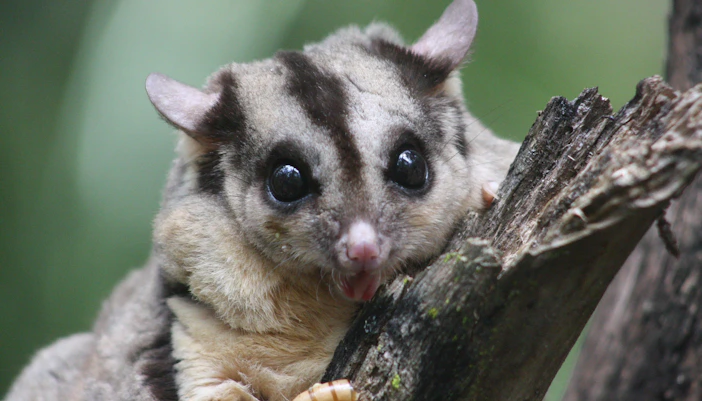
Sugar Glider

Small and agile, sugar gliders have grey fur with a black stripe down their back and wide eyes suited for night vision. They leap between treetops using a flap of skin from their side.

Blue Mountains Water Skink

This dark-skinned reptile with yellow flecks lives in swampy uplands of the Blue Mountains, basking on rocks and logs near wetlands around Blue Gum Forest and Mt Hay during warm daylight hours.

Powerful Owl

Australia’s largest owl, the powerful owl has mottled brown feathers and piercing yellow eyes. It hunts possums and gliders at night in mature forests.

Australian King Parrot

With red heads and breasts and green wings, these parrots are often in pairs or small groups, foraging in low branches around Katoomba and Leura.

Eastern Spinebill

This slender honeyeater, with a curved beak, red eyes, and chestnut, white, and black plumage, feeds on grevilleas and banksias, often hovering mid-air. Spot them on clifftop walks near Wentworth Falls.

Rock Warbler

The rock warbler, a small grey-brown bird with a rusty belly, is unique to the Blue Mountains, hopping among boulders and nesting in rock crevices.

Green and Golden Bell Frog

This rare frog, with green skin blotched in gold and bronze, lives near still or slow water and is most active on warm, humid evenings, often heard around ponds in the Lower Blue Mountains.

Best times for wildlife viewing

Early morning (6am – 9am)
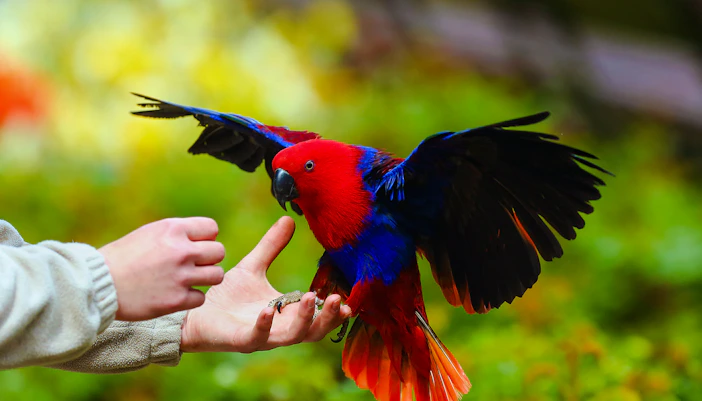
At dawn, kangaroos and wallabies graze in clearings while lyrebirds forage and mimic sounds. Birdsong fills gullies around Leura Cascades and Govetts Leap.

Late afternoon (4pm – 7pm)

As temperatures drop, wombats emerge near Jenolan and Kanangra-Boyd, red-necked wallabies roam woodland edges, and parrots flock to lower trees, offering prime photo opportunities in golden light.

Spring (September – November)

Spring is peak wildlife season, with birds like honeyeaters and lyrebirds breeding and singing. Nocturnal gliders become more active, and blooming wildflowers attract pollinators and insect feeders.

Prime wildlife viewing locations in Blue Mountains
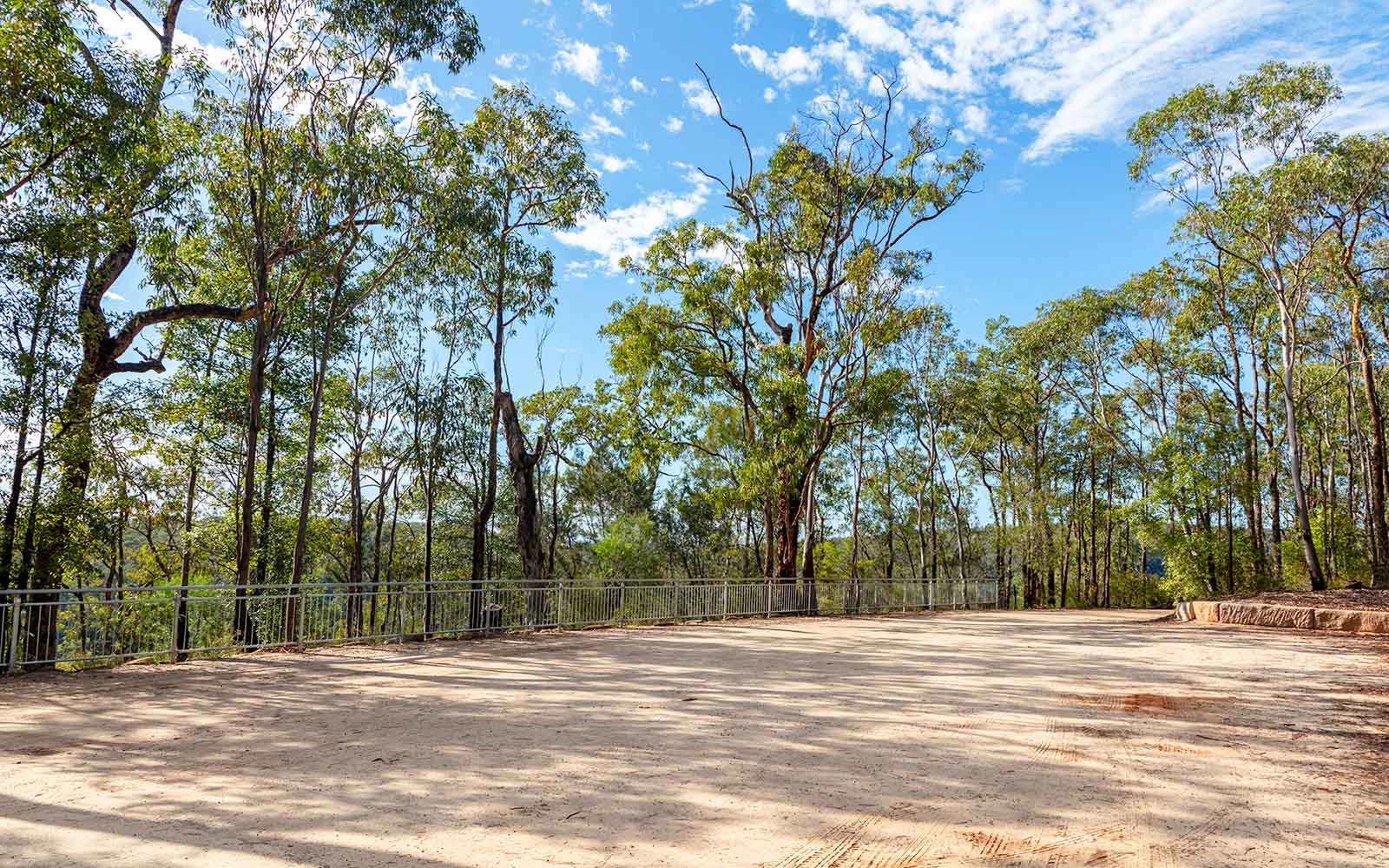
Glenbrook

Glenbrook & Euroka Clearing

Just inside the park, this grassy area is great for spotting eastern grey kangaroos and birds at dawn or dusk. Easy access makes it ideal for families and first-time visitors.

koalas
wallaby
Megalong Valley
Grose Valley

Sunset Tour with Guided Bushwalks & Wildlife Trails
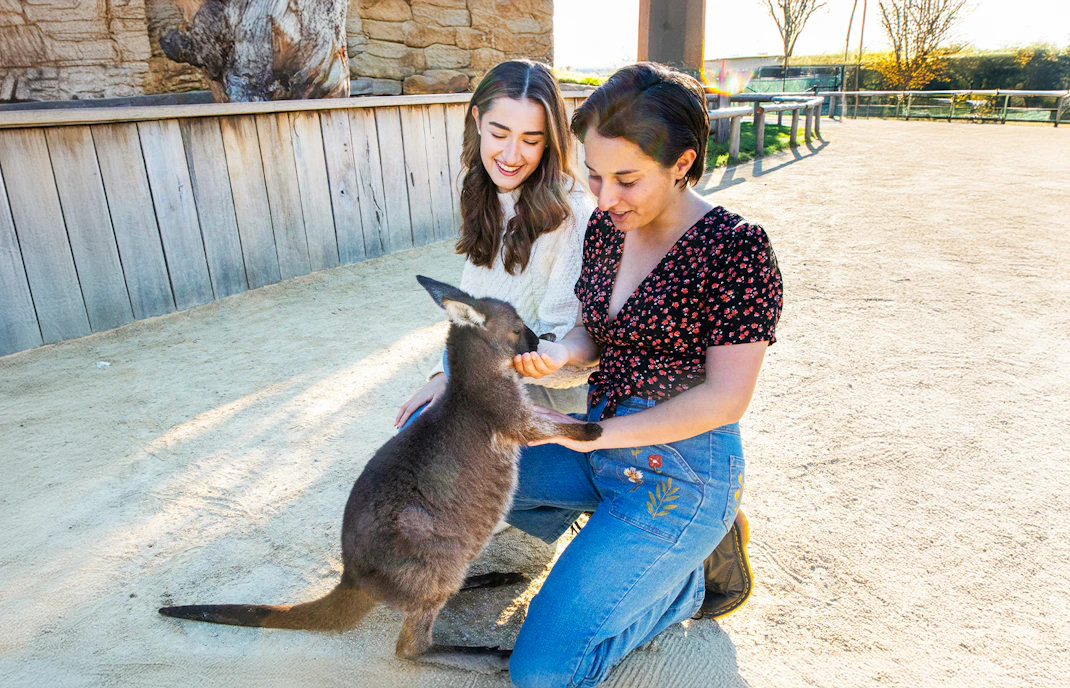
Ideal for fit travelers, this adventure pairs rugged bushwalks with sunset views and kangaroo spotting near Euroka Clearing. Great for those seeking wild landscapes, photo ops, and active exploration.

Book now

Scenic World, Featherdale Wildlife Park & River Cruise Tour
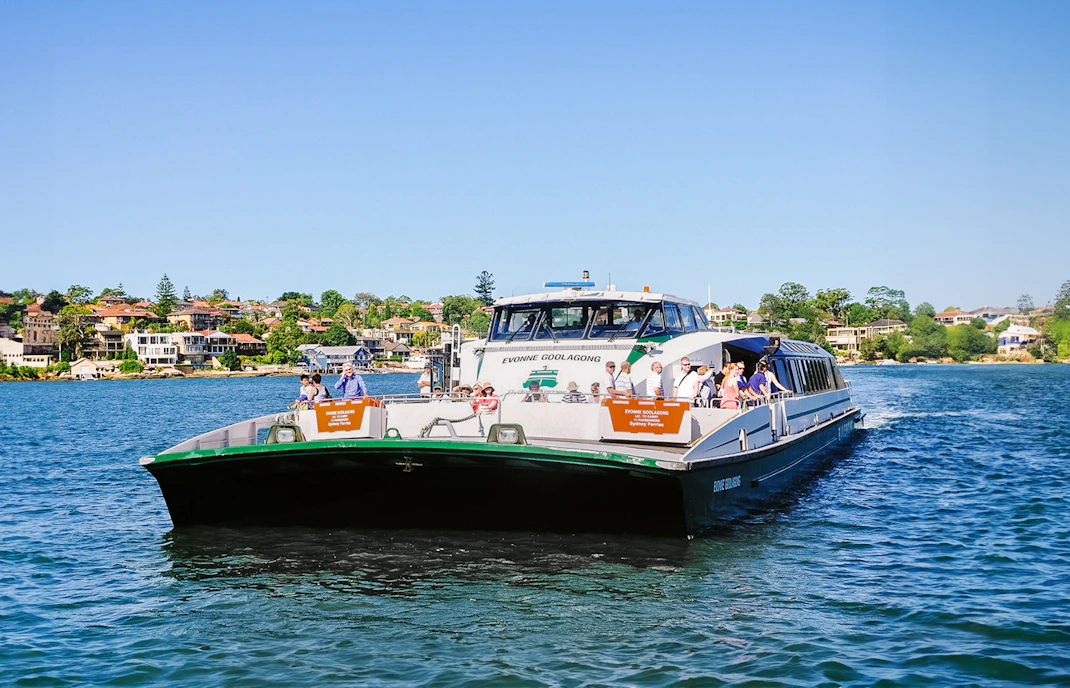
A well-rounded day trip blending Scenic World thrills, wildlife viewing experiences at Featherdale, and a relaxing cruise back to Sydney. Perfect for families and first-time visitors.

Book now

Scenic World, Harbour Ferry Cruise, Katoomba Falls & Sydney Zoo Tour
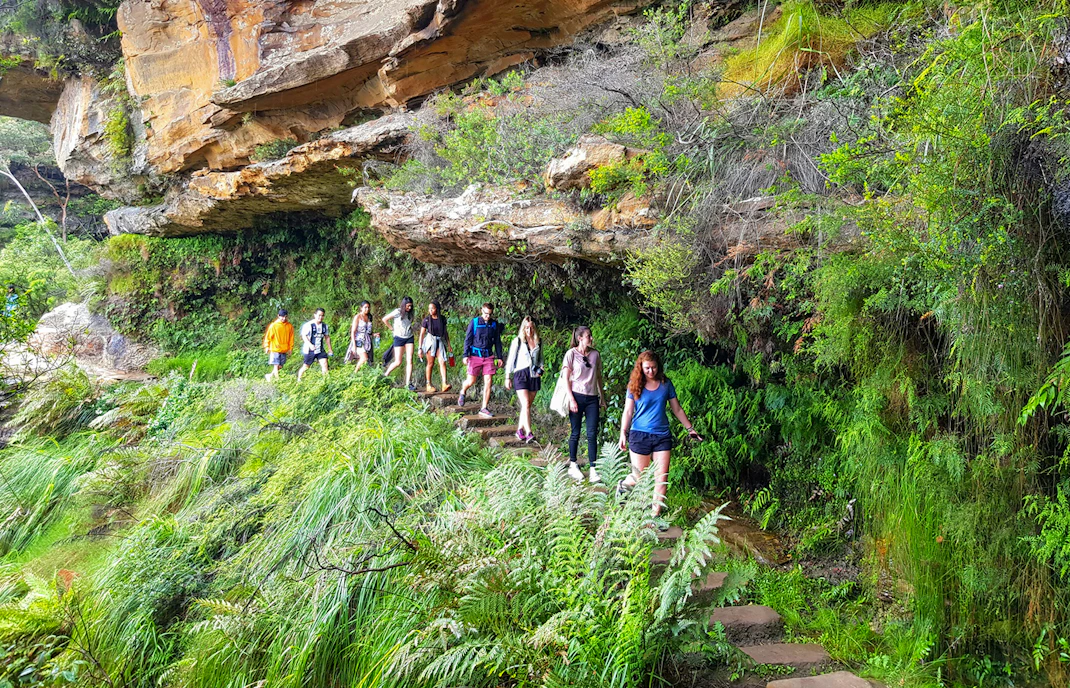
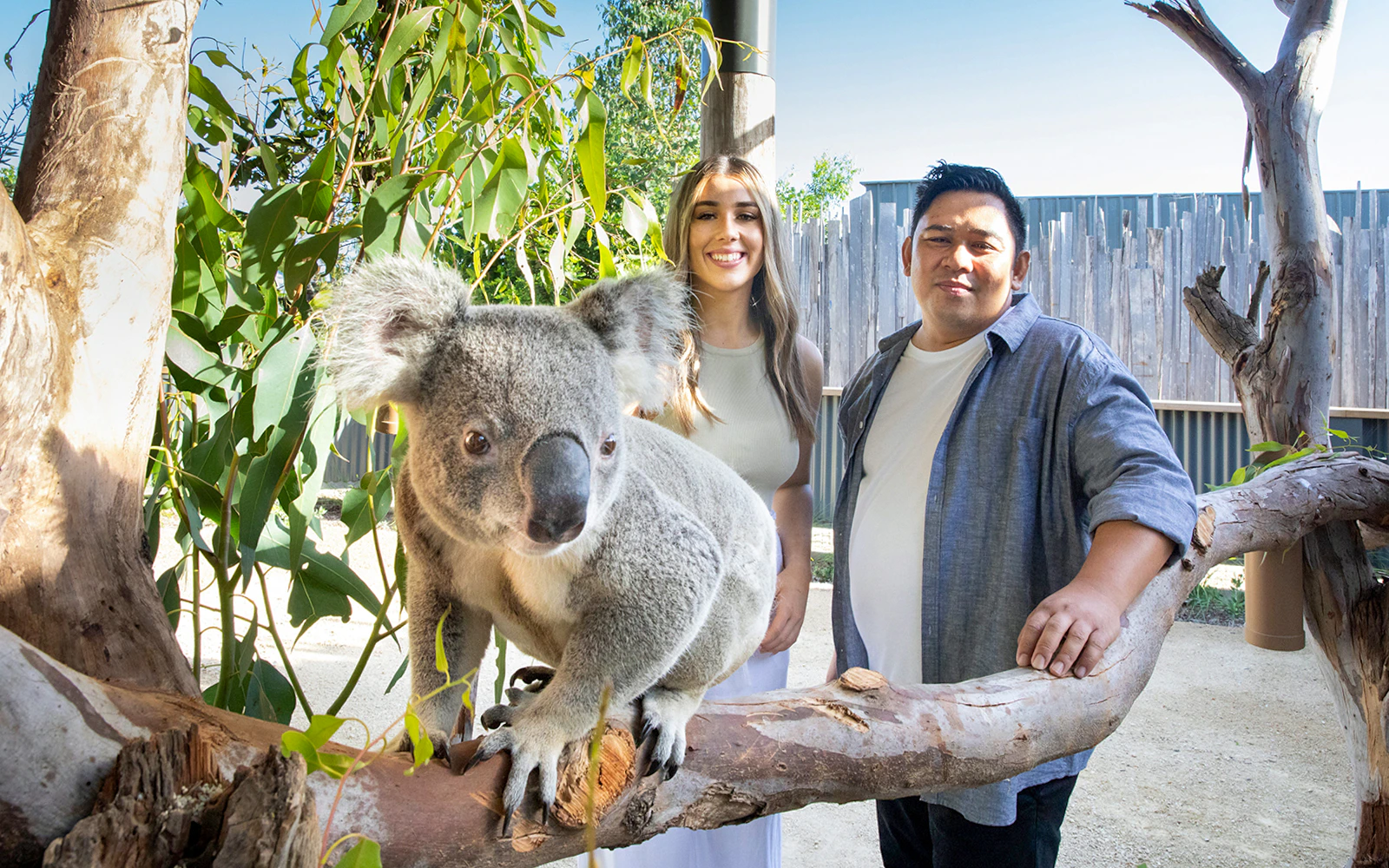
Family-friendly and relaxed, this tour combines rainforest walks, close-up animal encounters, and cable car rides. Includes a visit to Sydney Zoo for a koala photo and sweeping mountain views.

Book now

Scenic World, Zoo, Lunch & Bushwalks Small-Group Tour

A more immersive experience with small-group bushwalks, zoo entry, Scenic World rides, and a riverside return. Designed for travelers wanting both comfort and authentic wildlife interaction.

Book now

Frequently asked questions on Blue Mountains wildlife

Early morning (6–9am) and late afternoon (4–7pm) are prime times for wildlife activity. Kangaroos, lyrebirds, and parrots are most visible during these hours, especially along trails near Leura, Glenbrook, and Euroka Clearing.