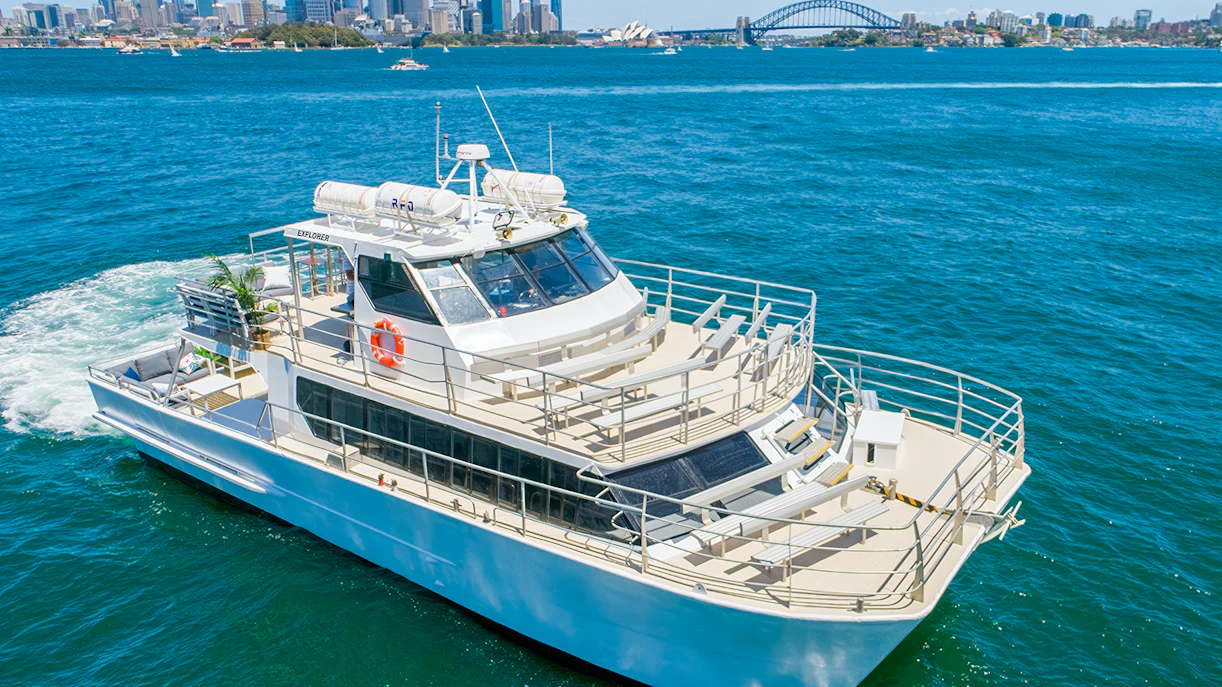
Sydney whale watching cruises: Experience the migration from the best vantage point

What is Sydney whale watching?

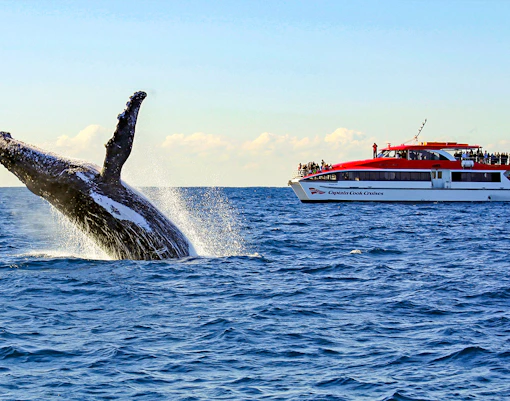
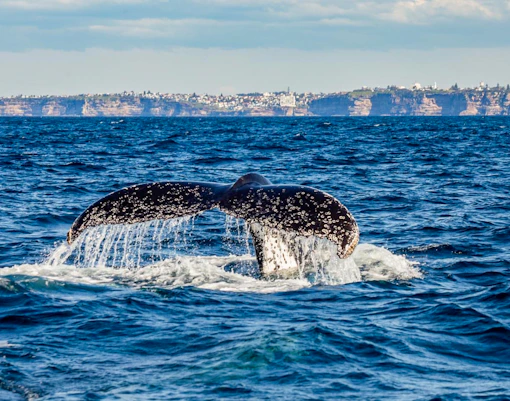
Sydney whale watching is one of Australia’s most popular seasonal wildlife experiences, offering the chance to see humpback whales migrate along the New South Wales coastline each year between May and November. Thousands of whales travel past Sydney during this migration, often breaching, tail-slapping, and surfacing close to boats just beyond Sydney Heads.

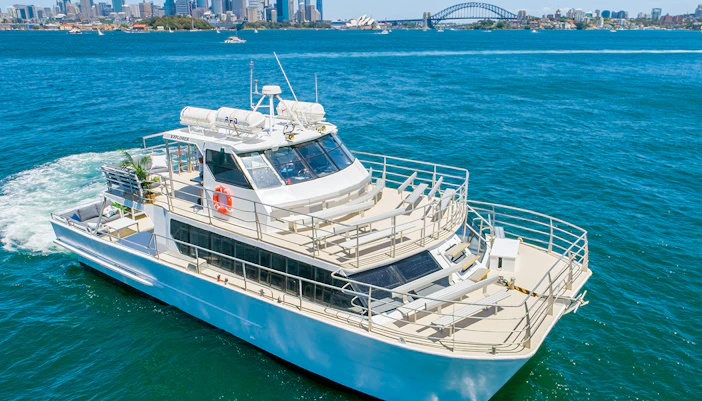
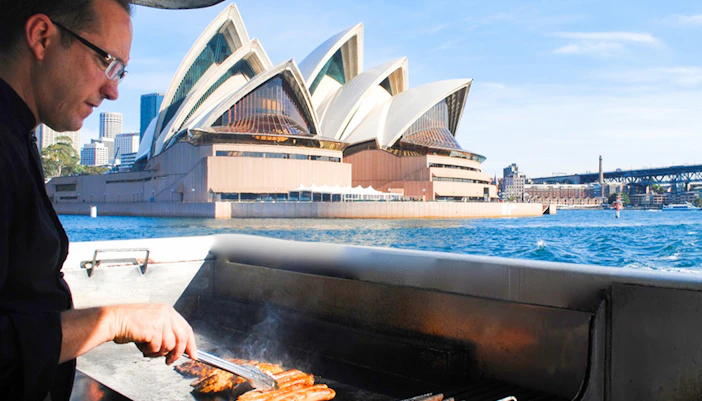
Sydney whale watching cruises offer a unique way to experience this migration from the water rather than crowded coastal lookouts. Instead of staying fixed at shoreline viewpoints, you head directly into the whales’ migration path with panoramic ocean and harbour views. Cruises range from large sightseeing catamarans to high-speed adventure boats and luxury experiences with food, drinks, or premium seating included.

Plan your Sydney whale watching cruise

Cruise ship on Sydney Harbour with city skyline and Harbour Bridge in the background.

Operating season: Whale watching cruises operate seasonally, typically from May to November during the annual humpback whale migration.

Departure times: Most cruises depart between 8 AM and 3 PM, with morning departures generally offering calmer sea conditions.

Duration:

  • Standard whale watching cruises: 2.5–3 hours
  • Premium catamaran cruises: 3–4 hours
  • Adventure boat cruises: 2–2.5 hours
  • Sunset whale watching cruises: ~3 hours

Best time to visit: June to August usually offers the highest whale activity during the northbound migration, while September to November is ideal for spotting mothers and calves returning south.
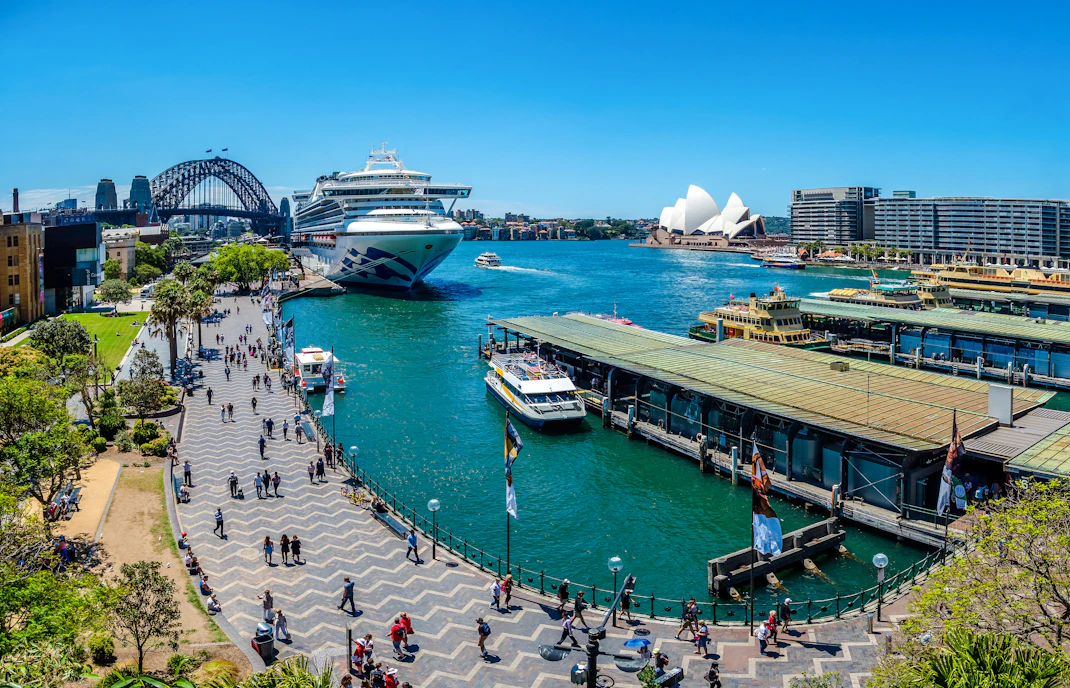
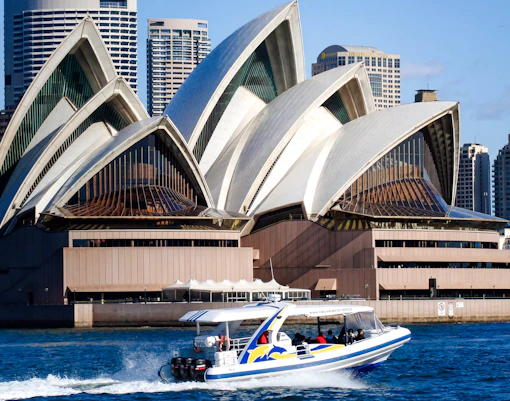
Sydney Harbour view with ferries at Circular Quay, Opera House, and Harbour Bridge in background.

Sydney whale watching cruises depart from several central harbour wharves including Circular Quay, Darling Harbour, and King Street Wharf.

  • Address: Sydney Harbour departure points (exact wharf confirmed on your ticket).
  • Distance: Most boarding points are centrally located within Sydney CBD, close to hotels, transport hubs, and major attractions.
  • Transfers: Not typically included. Most visitors arrive by train, ferry, light rail, rideshare, or on foot from nearby CBD areas.

Best time for whale watching in Sydney

Sydney’s whale watching season runs from May to November, following the annual humpback whale migration along Australia’s east coast. While whales can be seen throughout the season, the experience changes noticeably month by month depending on migration direction, whale behaviour, weather conditions, and the likelihood of spotting calves.

May–June: The migration begins

The first humpback whales begin travelling north from Antarctica toward warmer breeding waters in Queensland and the Great Barrier Reef. This marks the start of the whale watching season in Sydney.

During these early months:

  • Whale numbers gradually increase each week
  • Sightings are often less crowded than peak season
  • You may spot active whales travelling in smaller groups
  • Ocean conditions can still be relatively mild before mid-winter swells arrive

May is ideal for visitors wanting quieter cruises, while June offers increasingly reliable sightings as more whales pass Sydney Heads daily.

July–August: Peak whale watching season

This is widely considered the best time for whale watching in Sydney. Thousands of humpback whales pass close to the coastline during the height of the northbound migration, making sightings more frequent and dramatic.

What makes these months special:

  • Highest concentration of migrating humpbacks
  • Increased chances of breaching, tail slaps, and surface activity
  • Cooler winter air often creates clearer visibility offshore
  • Morning cruises usually experience calmer sea conditions

This is also the busiest part of the season, especially during weekends and school holidays, so premium cruises and smaller vessels often book out well in advance.

September–October: Mothers and calves return south

As humpbacks begin their journey back toward Antarctica, the migration changes pace. These months are especially popular because many whales are now travelling with newborn calves.

During spring migration:

  • Mothers and calves are commonly spotted closer to shore
  • Whale behaviour can appear slower and more relaxed
  • Longer surface intervals often improve viewing opportunities
  • Sydney weather becomes warmer and more comfortable onboard

September and October are excellent for families, photographers, and visitors looking for calmer scenic cruises paired with reliable whale sightings.

November: Final migration sightings

November marks the end of Sydney’s whale watching season as the last humpbacks continue south toward Antarctic feeding grounds.

While whale numbers decrease compared to peak winter months:

  • Late-season cruises are usually less crowded
  • Weather conditions are often warmer and sunnier
  • Some operators offer discounted departures toward season’s end
  • Calves may still occasionally be seen during the final migration weeks

Sightings become less predictable later in November, but cruises can still deliver rewarding experiences with fewer passengers onboard.

Top sights to see during your Sydney whale watching cruise

Sydney Harbour Bridge
1/8

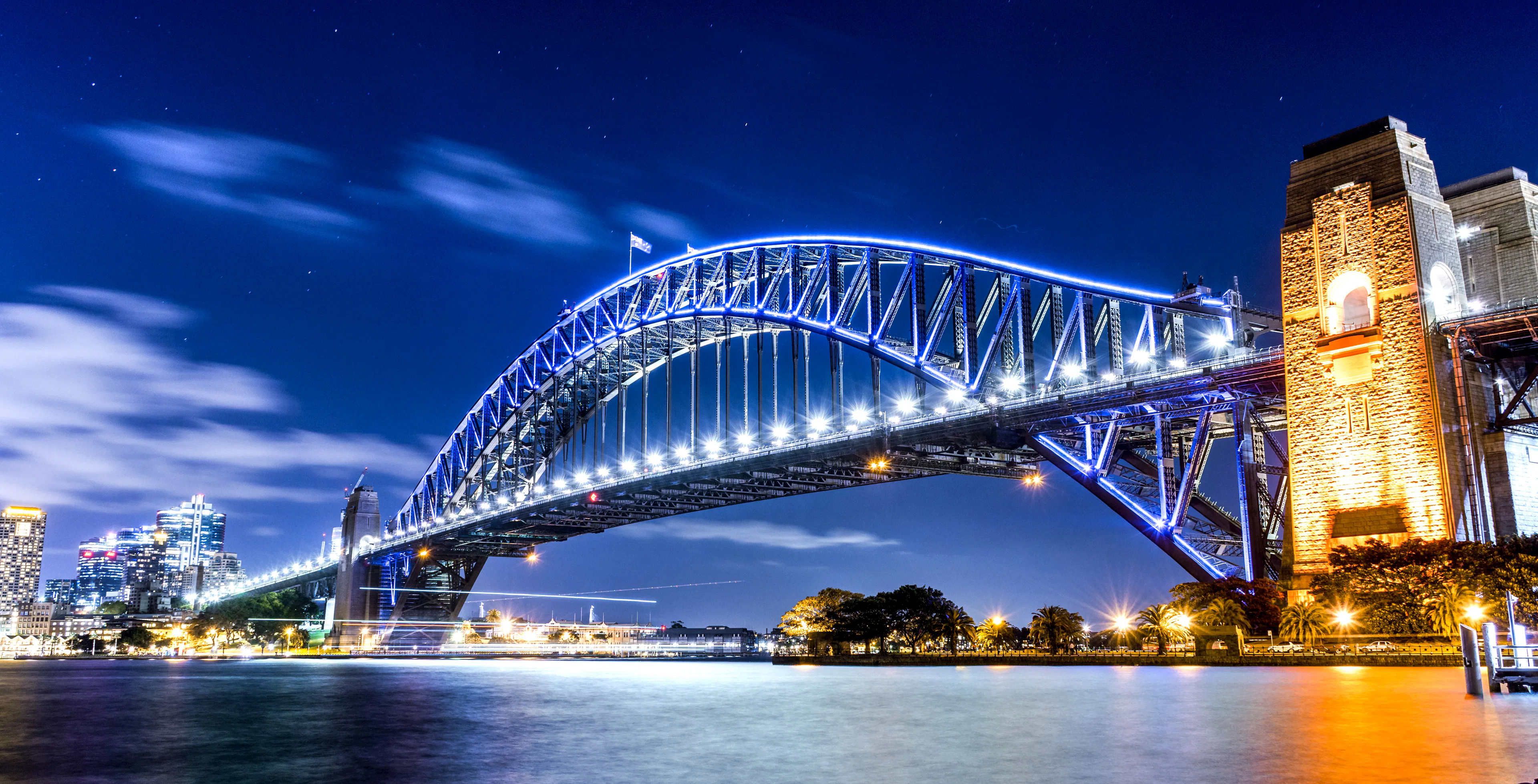
Sydney Harbour Bridge

Most whale watching cruises begin beneath or alongside the Harbour Bridge before heading toward open ocean waters. The bridge creates one of Sydney’s most iconic harbour departure views and offers impressive photo opportunities from the water.

Sydney Opera House

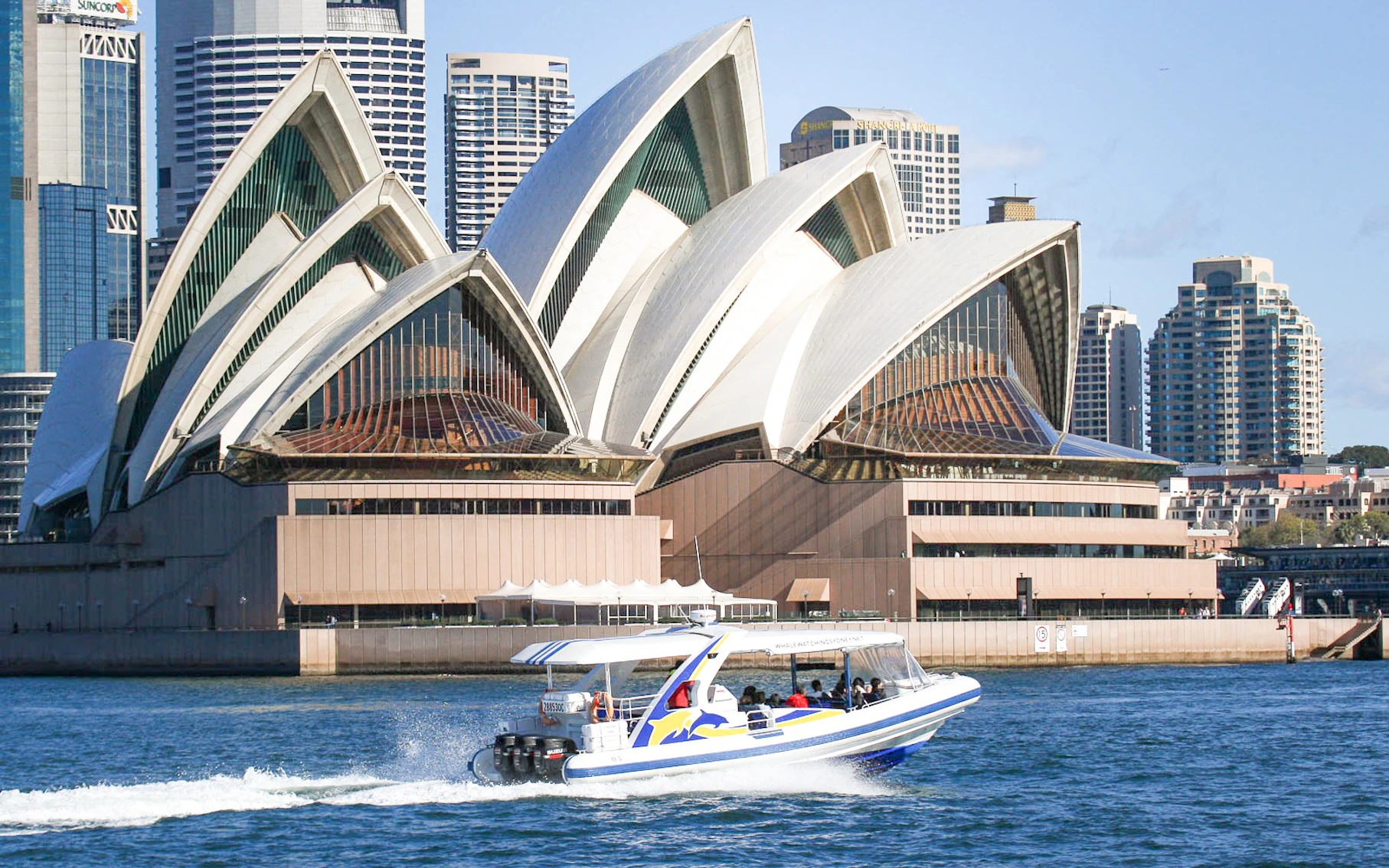
Many cruises pass directly by the Opera House during departure from Circular Quay or nearby wharves. Seeing the famous sails from the harbour adds to the experience before the vessel heads offshore.

Sydney Heads

The sandstone cliffs at the entrance to Sydney Harbour mark the transition from calm harbour waters to the open Pacific Ocean. Passing through Sydney Heads is one of the most scenic parts of the cruise.

Fort Denison

Some cruises pass by Fort Denison, the small island fortress located within Sydney Harbour. The historic site provides a unique harbour landmark visible from many departure routes.

North Head

Located near the entrance to the harbour, North Head offers dramatic coastal cliffs and sweeping ocean views as your cruise moves into offshore waters. It’s one of the defining natural landmarks along the route.

South Head

South Head and its rugged sandstone coastline frame the opposite side of Sydney Harbour’s entrance. Many cruises pass close enough to view its cliffs, walking trails, and historic lighthouse area from the water.

Hornby Lighthouse

Perched on South Head, Hornby Lighthouse is one of Sydney’s most recognisable coastal landmarks. Its red-and-white striped design stands out against the cliffs as vessels head toward the open ocean.

Sydney skyline from offshore

Looking back toward Sydney Harbour from the open ocean offers panoramic views of the skyline, Opera House, and Harbour Bridge together. Clear winter mornings often provide some of the best visibility during the cruise.

Marine life you can see during a Sydney whale watching cruise

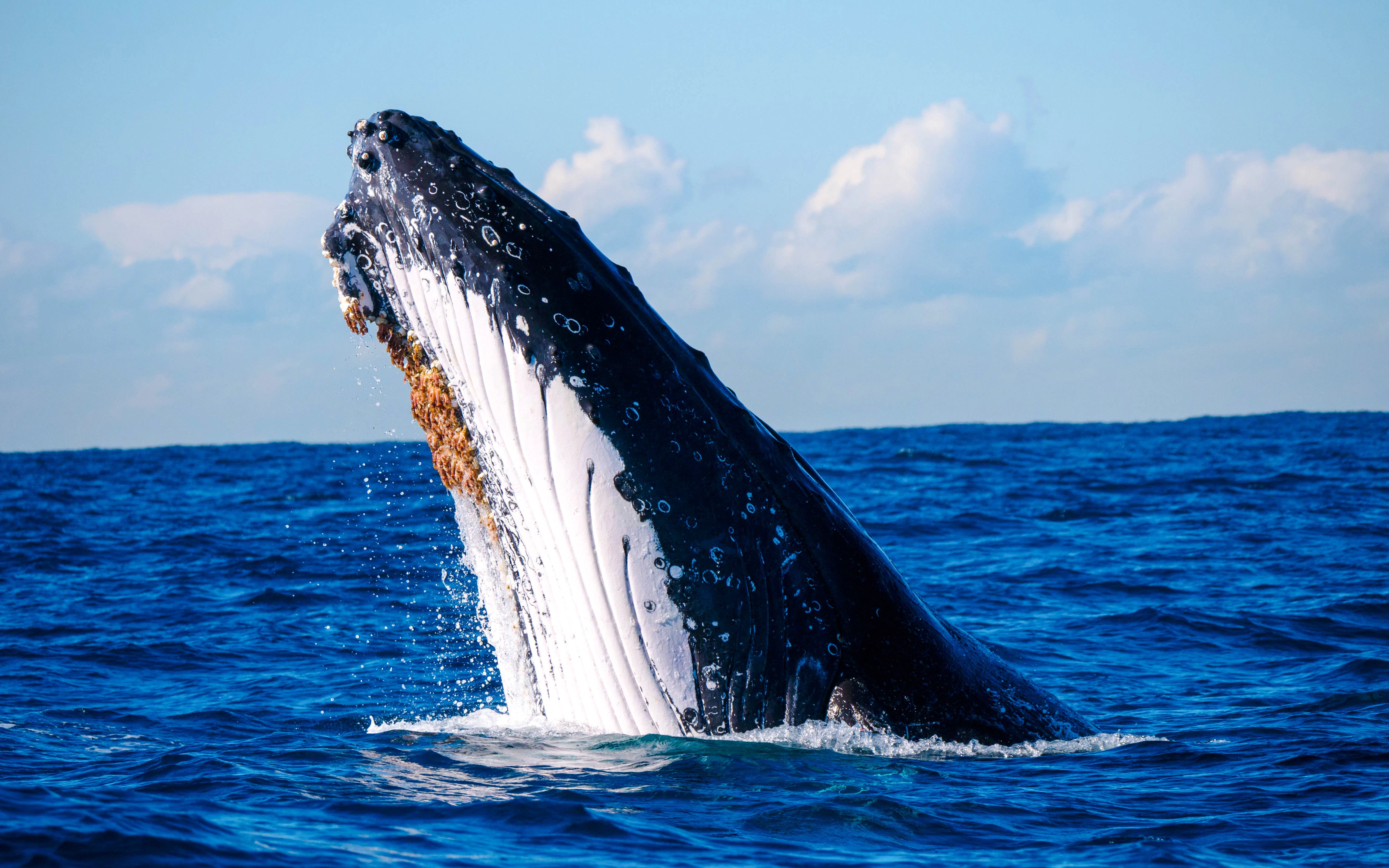
Humpback Whale

Humpback Whale

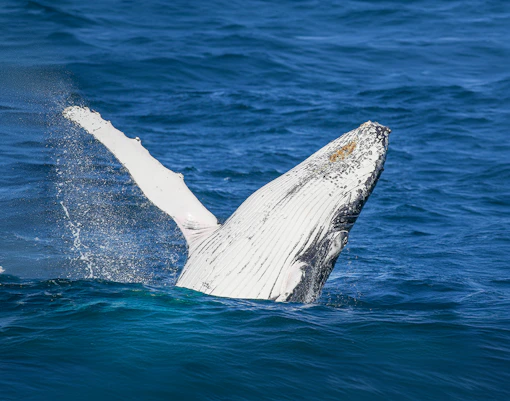
The main highlight of the cruise, often spotted breaching, tail slapping, and surfacing during migration season.

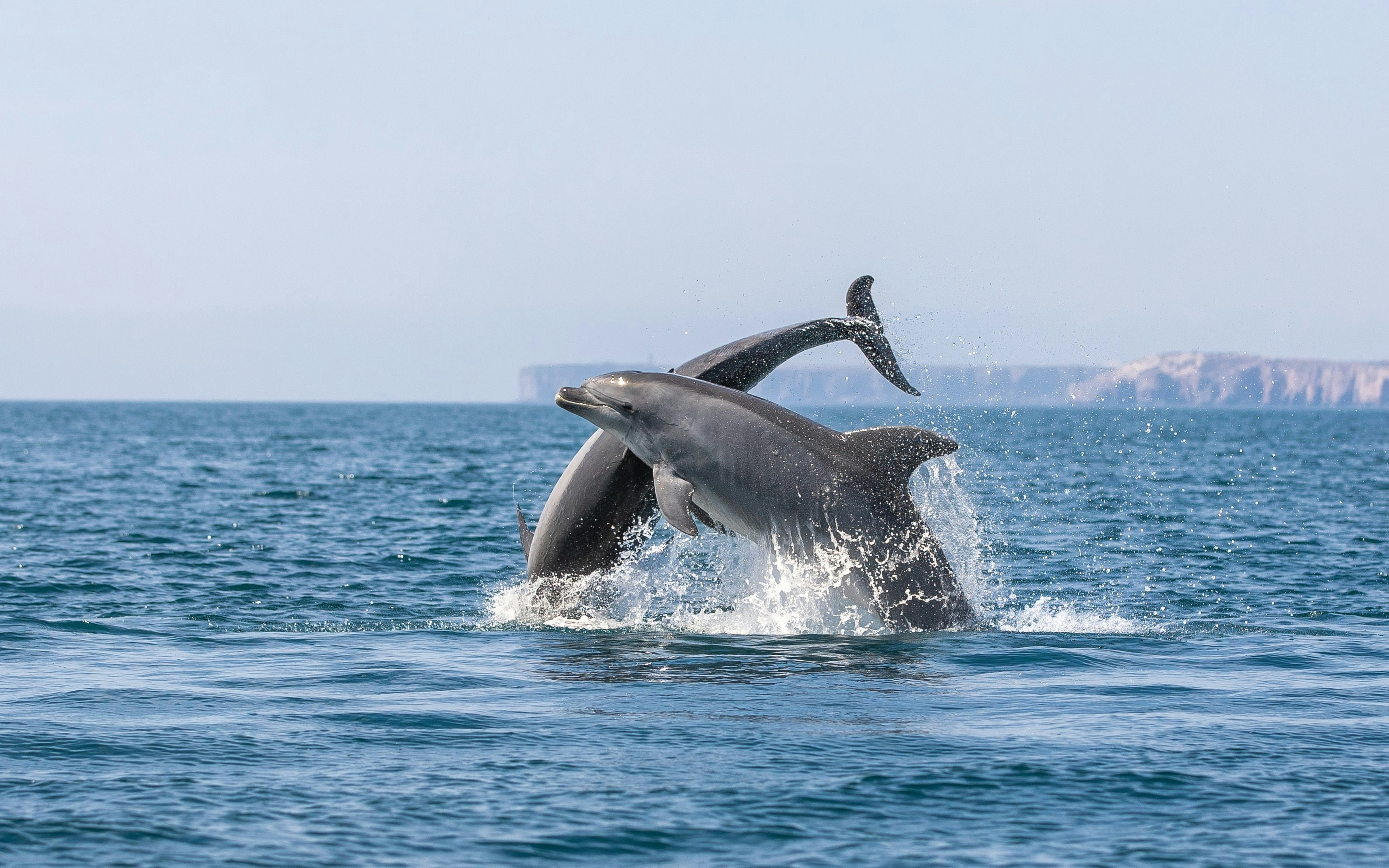
Bottlenose Dolphin
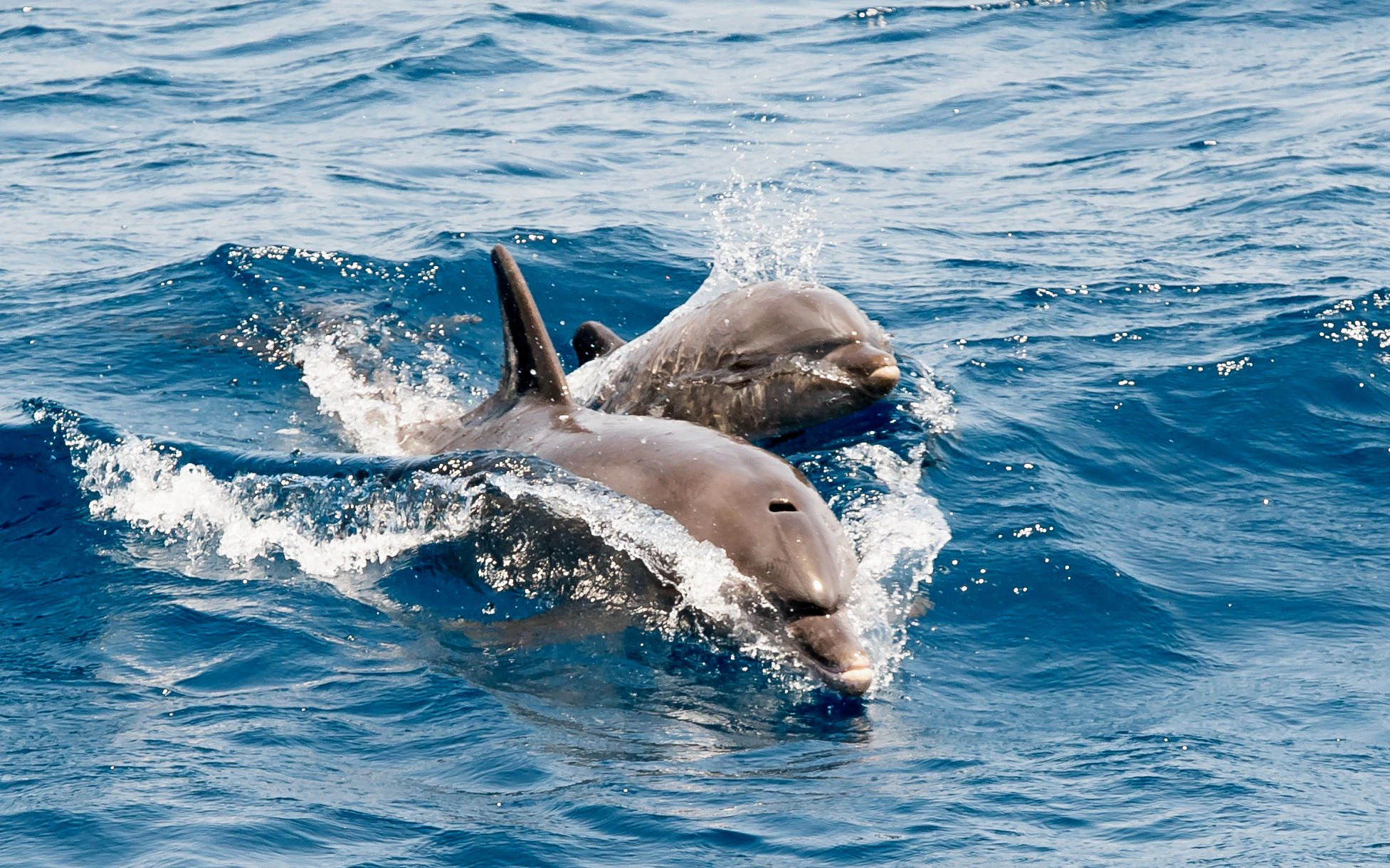
Common Dolphin
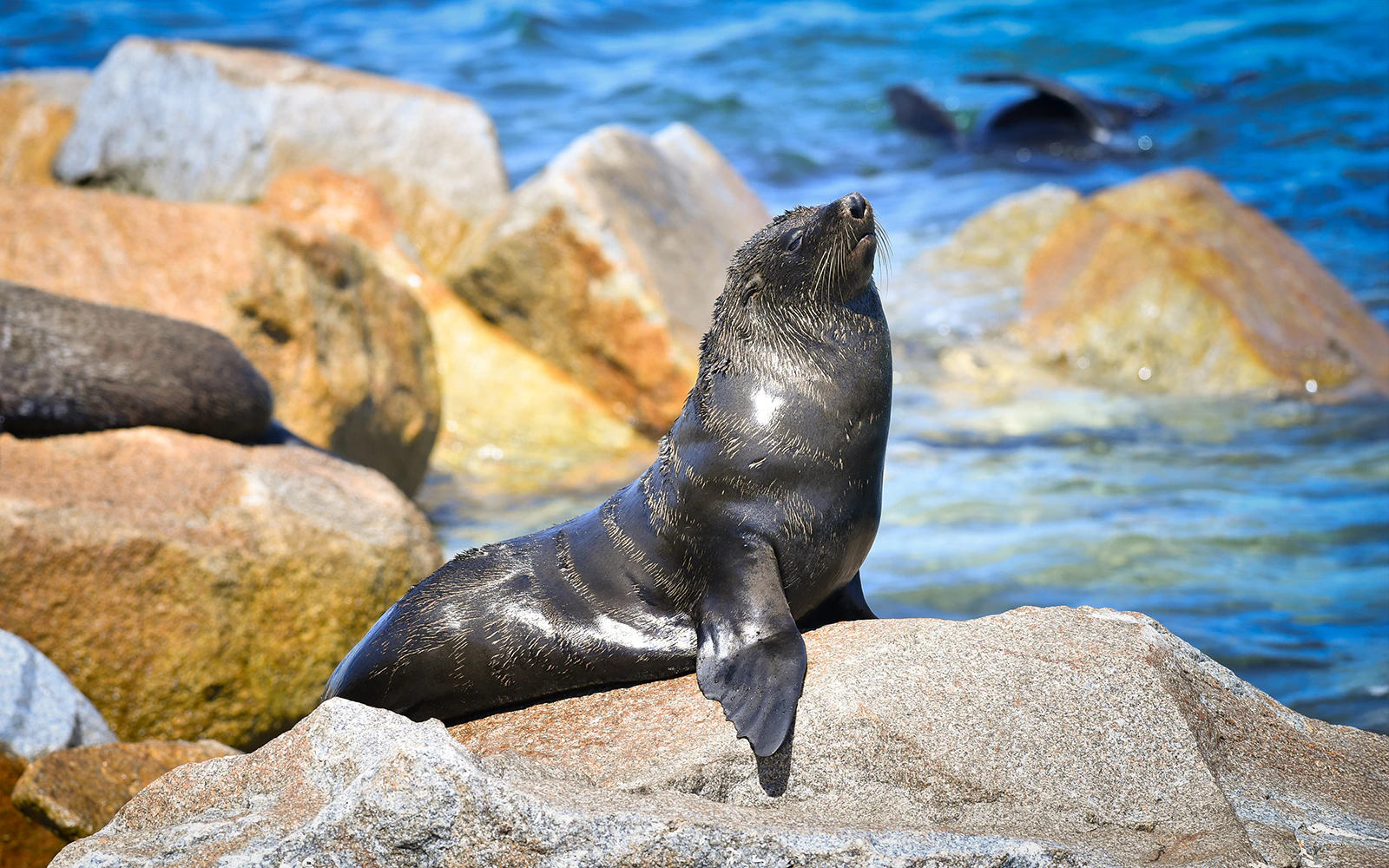
Australian Fur Seal
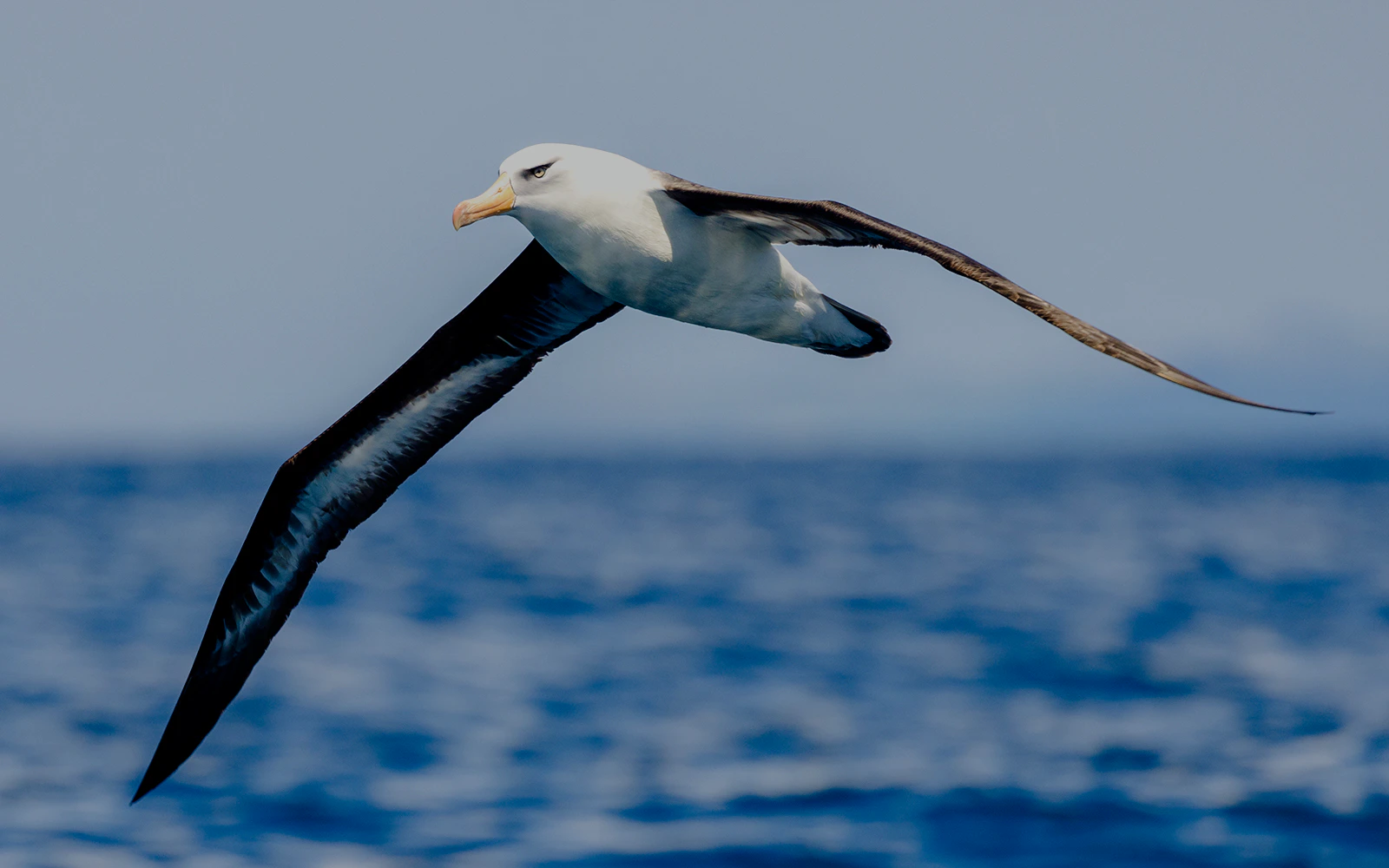
Albatross

Tips for your Sydney whale watching cruise

  • Book peak season cruises early: Morning departures and weekends during June–August sell out fastest, especially on premium catamarans and small-group vessels.
  • Morning cruises usually mean calmer seas: Ocean conditions are often smoother earlier in the day, making morning departures better for families and first-time whale watchers.
  • Dress warmer than you expect: Open ocean conditions can feel significantly colder and windier than Sydney city temperatures, especially during winter mornings.
  • Pick your cruise style carefully: Large catamarans are more stable and comfortable, while smaller adventure boats offer faster travel and closer-to-the-water viewing.
  • Stay patient during sightings: Whale behaviour is unpredictable, so sightings may come in waves rather than constantly throughout the cruise.
  • Position yourself early: Outdoor railings and upper decks offer the best visibility once whales are spotted. Good viewing positions fill quickly after departure.
  • Bring seasickness medication if needed: Conditions beyond Sydney Heads can become rougher than inside the harbour, especially on smaller vessels.

Frequently asked questions about Sydney whale watching cruises

Sydney whale watching lets you see humpback whales migrating along Australia’s east coast. Cruises take you directly into offshore migration routes for much closer and more immersive sightings than coastal lookouts.

Read More

Timings

Plan Your Visit

Plan Your Visit

Getting There