The migration season begins with gradually increasing whale sightings and slightly lower crowds. Weekday departures are usually easier to book, while smaller adventure boats and premium catamarans begin filling up on weekends.
Plan your Sydney whale watching cruise | Timings, routes & tips
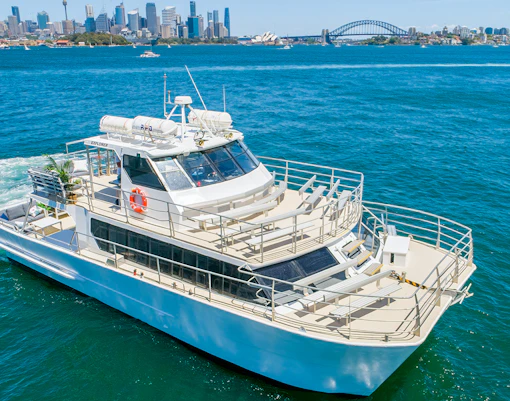
A Sydney whale watching cruise takes you beyond Sydney Harbour and into the open Pacific Ocean to witness the annual humpback whale migration along Australia’s east coast. Most cruises run 2.5–3 hours, while premium catamarans and luxury experiences may last longer with added comfort, commentary, or dining inclusions. From sightseeing vessels to high-speed adventure boats, each cruise offers a different perspective of Sydney Harbour, coastal cliffs, and marine life. This guide covers timings, departure points, whale season insights, and practical tips to help you choose the right whale watching experience.
Quick overview: Sydney whale watching cruise at a glance
- When to book: Book at least several days ahead during whale season, especially for weekends and morning departures between June and August. Small-group and premium cruises often sell out first.
- Time on water: Most whale watching cruises last 2.5–3 hours, while premium catamaran experiences may run 3–4 hours.
- Included: Cruise access, whale watching, harbour sightseeing, and onboard commentary. Premium options may include snacks, drinks, or indoor lounge seating.
- What matters most: Weather conditions, time of day, and vessel type. Morning departures usually offer calmer seas and better viewing conditions.
- What if the weather cancels? Cruises usually operate in light rain, but severe ocean conditions may result in rescheduling or refunds depending on the operator.
- Book now: Browse Sydney whale watching cruise options and secure your preferred departure early during peak migration season.
Booking windows for Sydney whale watching cruises
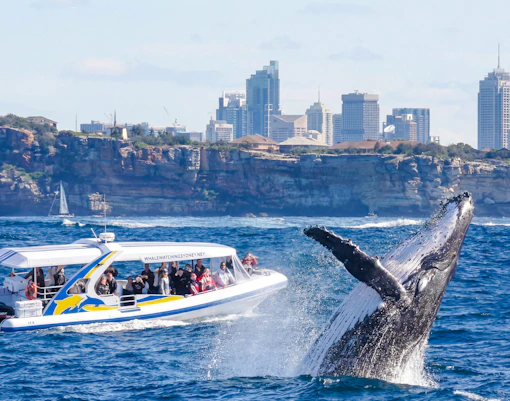
Early season (May–June)
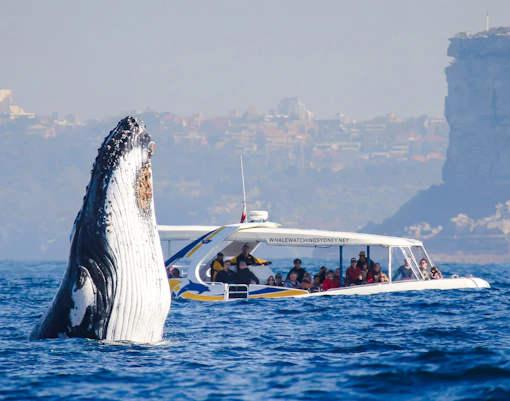
Peak season (July–August)
This is the busiest period for whale watching in Sydney, with the highest concentration of humpback whales offshore. Morning departures and weekend cruises often sell out 1–2 weeks ahead, especially for small-group and luxury experiences.
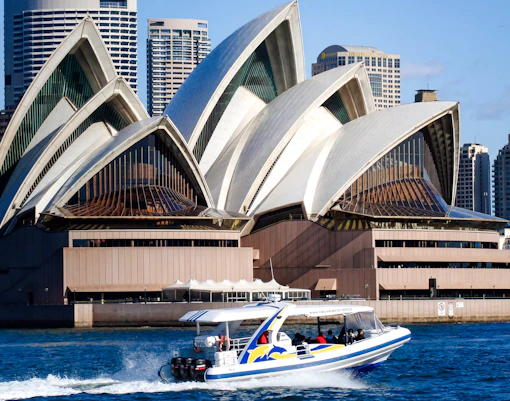
Spring migration (September–October)
Demand remains strong as mothers and calves travel south toward Antarctica. Family-friendly cruises and scenic catamaran experiences are especially popular during school holidays and warmer spring weather.
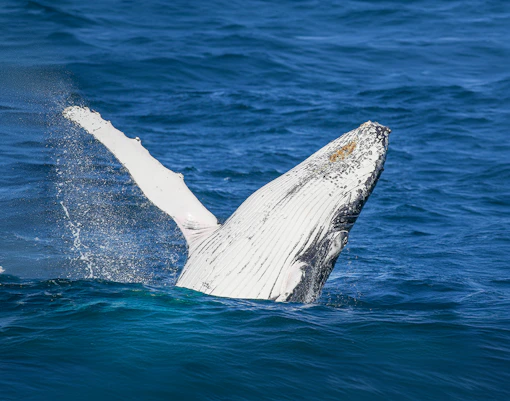
Final weeks (November)
Late-season cruises are generally easier to book and less crowded, though whale sightings become less predictable toward the end of the migration period.
Cancellation & flexibility
If you cancel
Many whale watching cruises have limited cancellation windows, especially during peak season or for discounted tickets. Always review operator policies before booking.
If the cruise cancels (weather/ocean conditions)
If ocean conditions are unsafe, operators typically offer a reschedule or full refund depending on availability and policy terms.
Cancellation likelihood
Most cruises still operate in light rain, but strong winds and rough offshore swells can occasionally lead to cancellations.
Booking strategy if weather matters
Book earlier in your Sydney trip if possible and choose operators with flexible rescheduling policies during winter whale season.
Getting to the departure point
Where does the cruise depart?
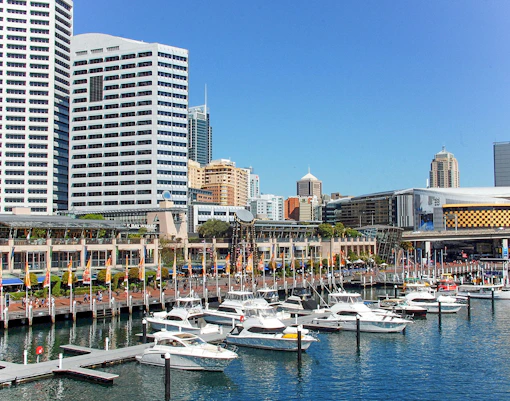
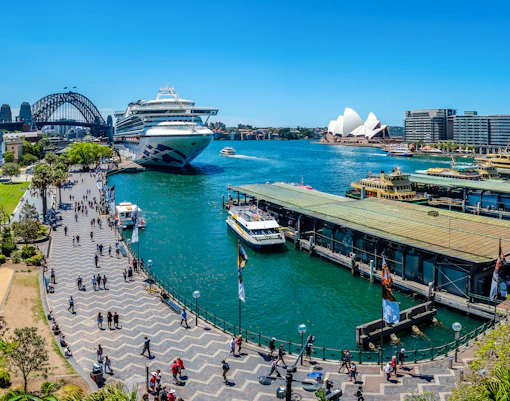
Address: Multiple departure points across Sydney Harbour, commonly Circular Quay, Darling Harbour, and King Street Wharf.
Sydney whale watching cruises depart from central harbour wharves close to major transport hubs and city attractions. Your exact wharf location will be confirmed on your ticket.
By train: Circular Quay Station, Wynyard Station, or Town Hall Station depending on departure point.
By light rail: Services connect directly to Darling Harbour and nearby waterfront precincts.
By ferry: Public ferries connect to Circular Quay, one of Sydney’s main whale watching departure areas.
By car: Paid parking is available near Darling Harbour and Circular Quay, though spaces can fill quickly on weekends.
What time should you arrive?
Arrive 20–30 minutes before departure. Boarding closes shortly before sailing, and late arrivals are usually not accommodated.

Parking & logistics
Public transport is generally the easiest way to reach departure wharves, especially during peak whale watching weekends. If driving, allow extra time for harbour traffic and parking.

What do you need to bring?
- Warm jacket or windproof layer for offshore conditions
- Comfortable shoes with good grip
- Sunglasses and sunscreen
- Camera or phone for wildlife and harbour photography
- Seasickness medication if needed
<MANDATORY_TITLE_BYPASS_PLACEHOLDER>
| Departure | Ocean conditions & visibility | What you’ll experience | Crowds & booking | Best for |
|---|---|---|---|---|
Early morning (8–10 AM) | Calmer seas and clearer visibility | Best whale spotting conditions with cooler temperatures | High demand; book early | Families, photographers, first-time visitors |
Midday (11 AM–1 PM) | Mild conditions with brighter daylight | Good balance of sightseeing and whale activity | Moderate demand | Casual travellers and flexible schedules |
Afternoon (1–3 PM) | Winds and swells may increase | Scenic harbour return with warmer weather | Easier last-minute availability | Flexible travellers and late planners |
What you’ll experience during whale season
Early migration (May–June)
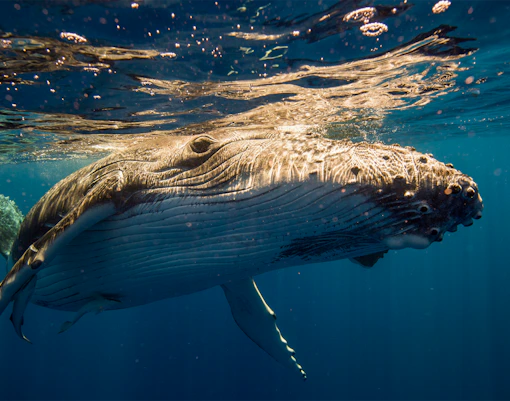
Cool winter conditions and quieter cruises mark the beginning of the migration season. Whale numbers increase steadily, and sightings become more reliable through June.
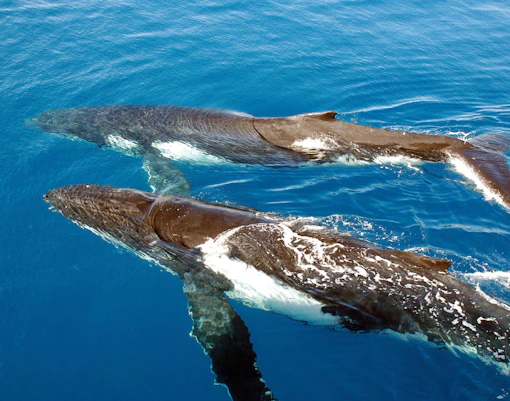
Peak migration (July–August)
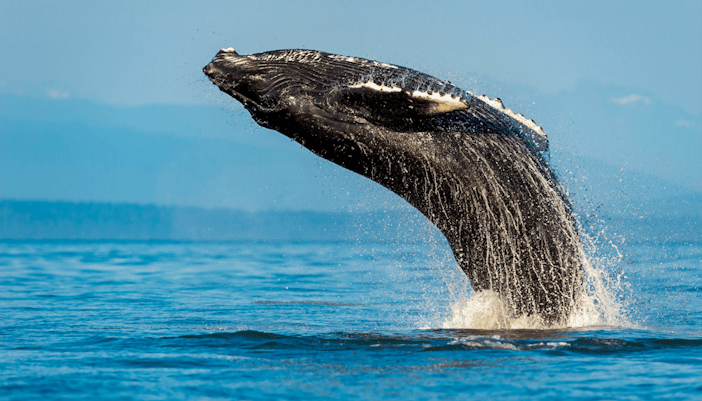
Thousands of humpback whales travel past Sydney during peak winter migration. Breaching, tail slaps, and active surface behaviour are more commonly spotted during these months.
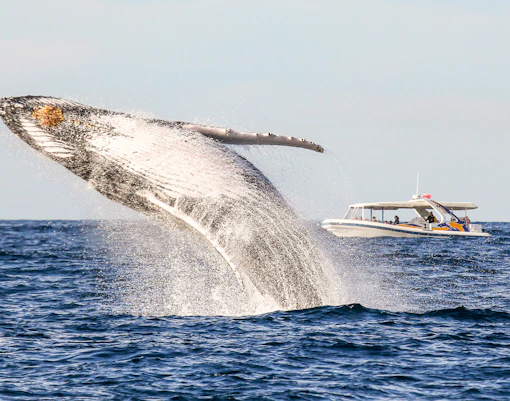
Spring migration (September–October)
Mothers and calves begin returning south toward Antarctica, often travelling closer to shore. Warmer spring weather creates comfortable cruising conditions and excellent photography opportunities.
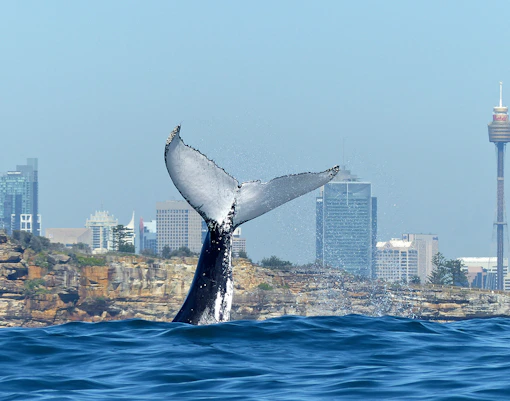
Late migration (November)
The final whales continue south during November, with lower crowds and milder weather onboard. Sightings are less frequent but still possible during late-season cruises.
The cruise experience

Boarding (20–30 min before departure)
Arrive at your assigned wharf and board via the harbour pontoon or gangway. Outdoor railings and upper decks usually fill first once boarding begins.
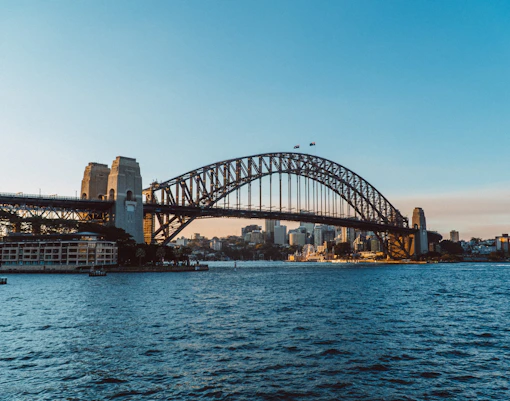
Harbour departure (first 20–30 min)
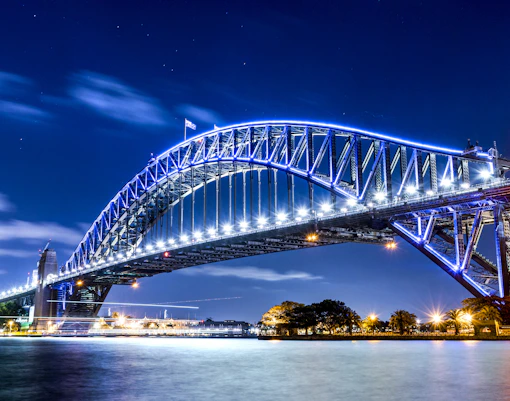
The cruise passes Sydney Harbour landmarks including the Harbour Bridge and Opera House before heading toward Sydney Heads and the open ocean.
Offshore whale spotting (main cruise period)
Once beyond Sydney Heads, the crew begins searching migration routes for whale activity. Sightings can include breaching, tail slaps, and close surface appearances.
Return journey
The vessel returns through Sydney Harbour with scenic skyline views and occasional additional wildlife sightings along the coastline.
Facilities & practical details

- Admission / boat access: Your ticket includes vessel access and the full whale watching cruise experience.
- Commentary: Most cruises include commentary from marine guides or crew explaining whale behaviour, migration patterns, and Sydney Harbour landmarks.
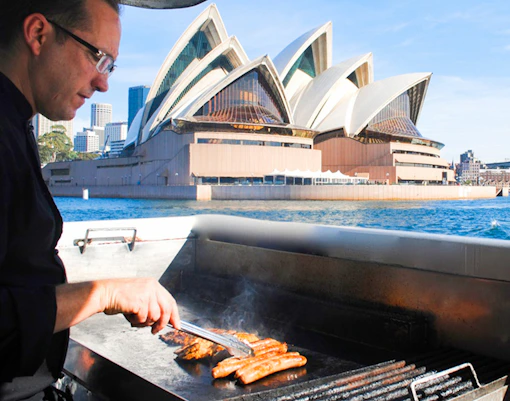
- Food & drinks: Large catamarans may offer cafés or licensed bars onboard, while premium cruises can include refreshments or meals.
- Bathrooms: Most medium and large vessels include onboard restrooms.
- Weather readiness: Cruises operate in winter conditions, so outdoor decks can feel cold and windy offshore.
- Viewing experience: Outdoor decks provide the best whale visibility, while indoor lounges offer shelter during rougher conditions.

- Warm layers or windproof jacket
- Comfortable footwear
- Sunglasses and sunscreen
- Camera or binoculars
- Seasickness tablets if prone to motion sickness
- Reusable water bottle
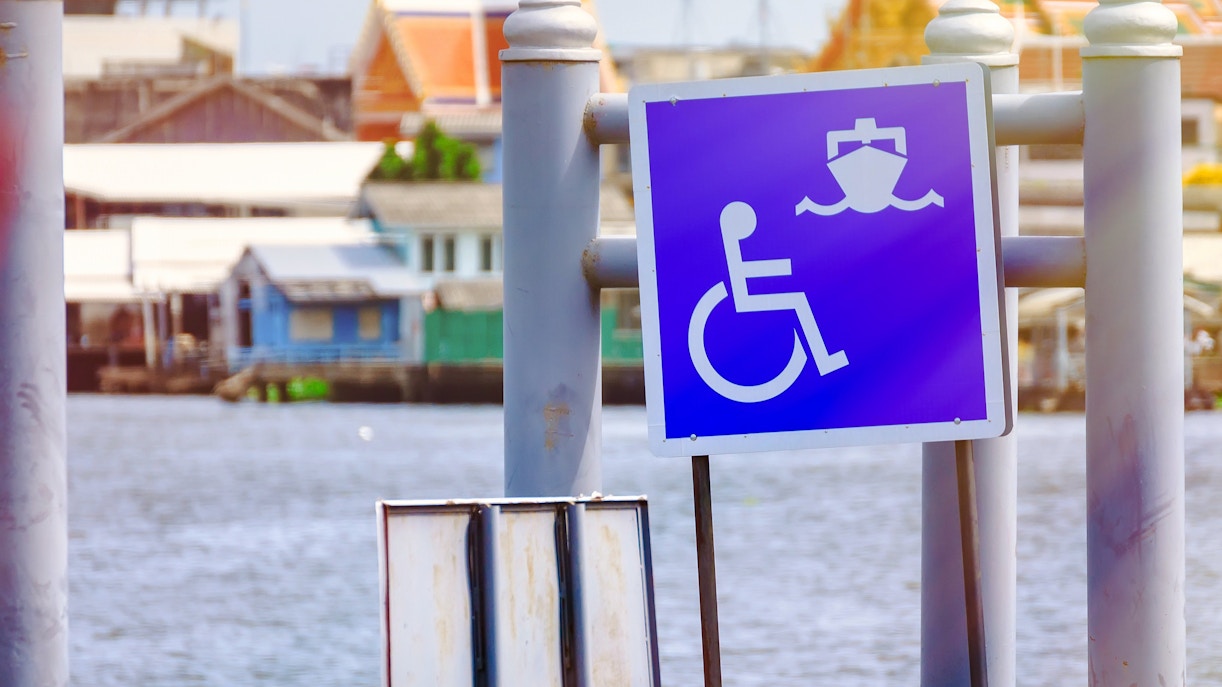
- Mobility: Wheelchair access varies depending on vessel size and boarding setup. Check directly with the operator before booking accessible cruises.
- Seating: Catamarans and larger vessels offer indoor seating, while adventure boats focus more on outdoor viewing.
- Bathrooms: Available onboard, though smaller vessels may have more limited facilities.
- Families: Morning cruises and stable catamarans are generally better suited for families with children.
- Seasickness: Harbour waters are calm, but offshore ocean swells can become rough beyond Sydney Heads.
Rules & restrictions
What you need to know before you go
Most cruises have strict departure schedules and limited refund policies during whale season.
- Weather cancellation: Operators may cancel cruises during unsafe ocean conditions and usually offer rescheduling or refunds.
- Arrival time: Arrive 20–30 minutes early to allow time for check-in and boarding.
What you should know about the boat
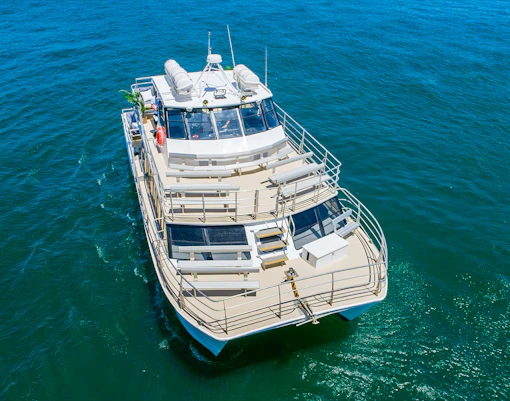
- Capacity: Vessels range from small adventure boats to large sightseeing catamarans carrying over 100 passengers.
- Wheelchair access: Accessibility varies significantly by operator and vessel type.
- Life jackets: Safety equipment and life jackets are carried onboard all vessels.

Not allowed
- Large luggage or bulky bags
- Smoking outside designated areas
- Excessive alcohol consumption
- Drones during the cruise

Photography & wildlife viewing
Photography is one of the highlights of Sydney whale watching cruises, especially during breaching activity or harbour departures past the Opera House and Harbour Bridge. Outdoor decks and upper viewing areas generally provide the clearest angles for spotting whales offshore.
Practical tips from people who’ve done this
- Book morning departures for calmer seas and better visibility.
- Dress warmer than Sydney city temperatures, offshore winds can feel significantly colder.
- Choose larger catamarans if you’re concerned about seasickness.
- Position yourself early near outdoor railings once whale activity begins.
- Keep your camera ready, sightings can happen suddenly and last only seconds.
- Avoid heavy meals before smaller adventure boat cruises.
Eat, shop & stay near Sydney whale watching cruise departure points

On the dock
Most departure areas near Circular Quay and Darling Harbour have cafés, takeaway spots, and waterfront restaurants nearby.
Nearby (walking distance)
- Opera Bar: Harbour front dining with views of the Opera House and Harbour Bridge.
- Nick's Seafood Restaurant: Popular Darling Harbour seafood restaurant close to King Street Wharf departures.
- The Glenmore Hotel: Rooftop pub near Circular Quay and The Rocks.

- SEA LIFE Sydney Aquarium: Explore themed marine zones featuring sharks, dugongs, penguins, and thousands of aquatic creatures from Australian waters and beyond.
- Sydney Observatory: A heritage observatory offering astronomy exhibits, telescope viewing sessions, and panoramic views over Sydney Harbour.
- The Rocks: Sydney’s historic harbourside precinct known for cobblestone laneways, heritage pubs, markets, museums, and waterfront dining.
- Royal Botanic Garden Sydney: A sprawling harbourside garden with scenic walking paths, themed plant collections, and iconic views of the Opera House and Harbour Bridge.
Frequently asked questions about Sydney whale watching cruises
Most Sydney whale watching cruises last around 2.5–3 hours, while premium experiences can run longer.
Yes, especially during peak migration months between July and August.
Many operators offer a free return cruise or sighting guarantee if whales are not seen.
Yes, particularly larger catamarans and morning departures with calmer sea conditions.
It can happen beyond Sydney Heads where ocean swells are stronger, especially on smaller vessels.
Outside food and alcohol are usually not permitted unless specifically stated by the operator.
Whale sightings are highly likely during peak migration season, but wildlife sightings can never be fully guaranteed.
Premium cruises usually offer more space, better seating, and additional comfort for longer offshore viewing.
Read More
About Sydney Whale Watching Cruises

Timings