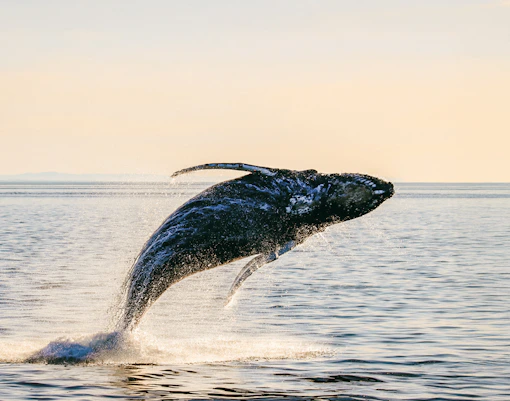
This is the courtship leg of the journey, when male humpbacks put on powerful displays to attract mates. Expect thunderous tail slaps, chest beating with pectoral fins, and dramatic breaches sometimes in rapid succession as they compete for attention and dominance within the pod.
Whale watching season in Sydney 2025: When to go, where to watch & what to expect
Every winter, Sydney transforms into a stage for one of the ocean’s most interesting phenomena. From mid-May to November, humpback whales migrate past the city’s coast, sometimes so close that you can spot them right from the shore. The real drama unfolds in June and July, when whale traffic peaks and breaches can number in the dozens each day.
Whether you're perched on a sandstone cliff or cruising through sapphire waters, there’s nothing quite like the moment a 40-tonne whale launches into the sky. It's raw, unscripted, and quite thrilling if you ask me. If you are keen on watching this spectacle then read this article to know more about the whale watching season in Sydney.
Why whales visit Sydney’s coast every year
Each year, an estimated 40,000 humpback whales travel from Antarctica to the warmer breeding grounds off Queensland, and Sydney lies directly along their migratory superhighway.
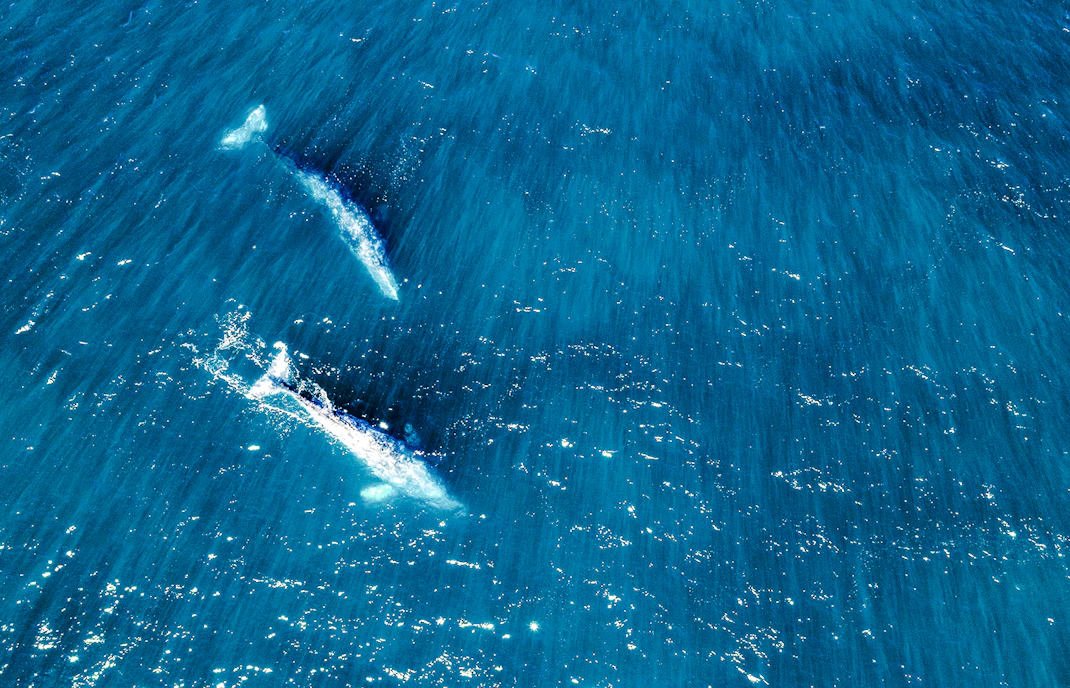
Northbound (May–August)
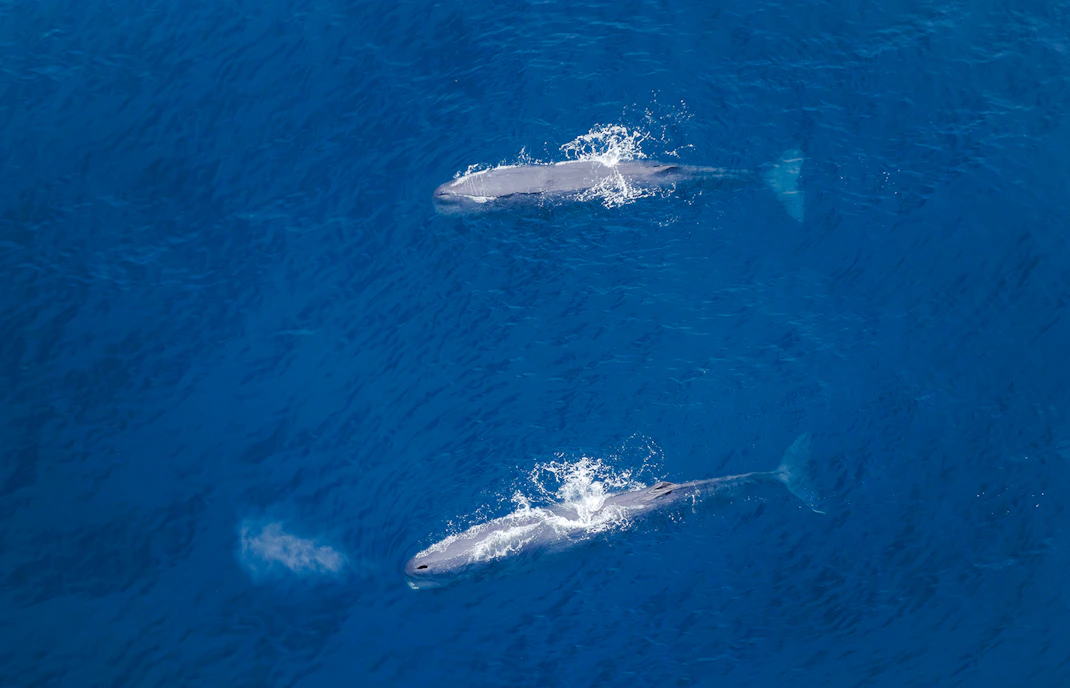
Southbound (August–November)
Mothers return from the tropics with newborn calves in tow, sticking close to the shoreline where the waters are calmer and safer from predators. Their slow, synchronized movements and tender interactions offer some of the most intimate and heartwarming moments of the season.
Whale migration is driven by instinct, survival, and the steady rhythm of the seasons. Like humans, humpbacks travel in family pods, form lasting bonds, and even show signs of empathy. Remember the whale scenes in Avatar: The Way of Water? This is your chance to see something like that up close.
Sydney whale watching season, month by month
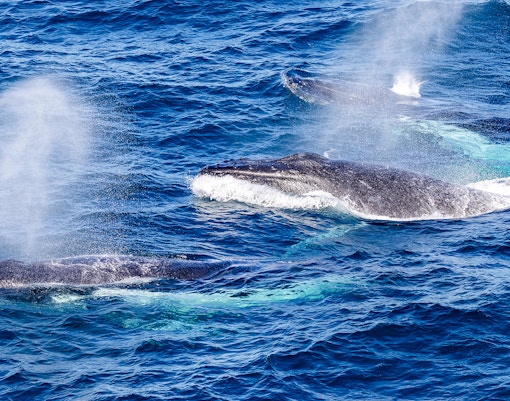
May – June (Season begins: northbound migration)
This is the start of the whale watching season in Sydney. Humpbacks begin their long swim from Antarctic feeding grounds to the warmer waters of Queensland. By late June, expect dozens, sometimes hundreds of daily sightings if the weather is good. Look for breaches and tail slaps, signs of whales competing for mates as they move north.
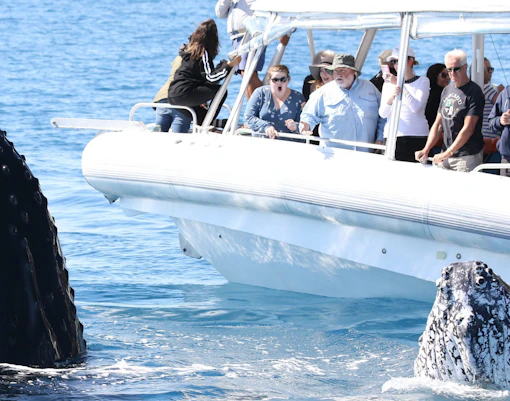
June – July (Peak season: heavy northbound traffic)
This is prime whale watching time. The migration is in full swing, and Sydney’s coastal cliffs and tour boats become some of the best places in the world to spot humpbacks. Nearly every vessel sees action, and it’s not uncommon to spot multiple pods from a single lookout. Breeding behaviors like breaching, pectoral slapping, and vocalizations are common.
August – September (Season overlap: both directions
This is a unique time in the Sydney whale season. Some pods are still heading north, while others begin the return south. This mix often leads to “mugging,” where whales, out of curiosity, circle or hover near boats.
October – November (Season winds down: southbound return with calves)
As the whale watching season draws to a close, mother humpbacks travel slowly with their newborn calves back to Antarctica. These smaller groups often swim closer to shore for safety, making them easier to spot from land. Expect gentler displays like tail lifts, calf spy-hopping, and slow surfacing.
Where to watch: Land or sea?
You’ve got two great options when it comes to spotting whales in Sydney. You can either watch it from one of the city’s many clifftop lookouts, or head out on the water for a closer encounter. Both have their perks, depending on how adventurous (or seasick-prone) you’re feeling.
Land-based lookouts (free, scenic, surprisingly good)
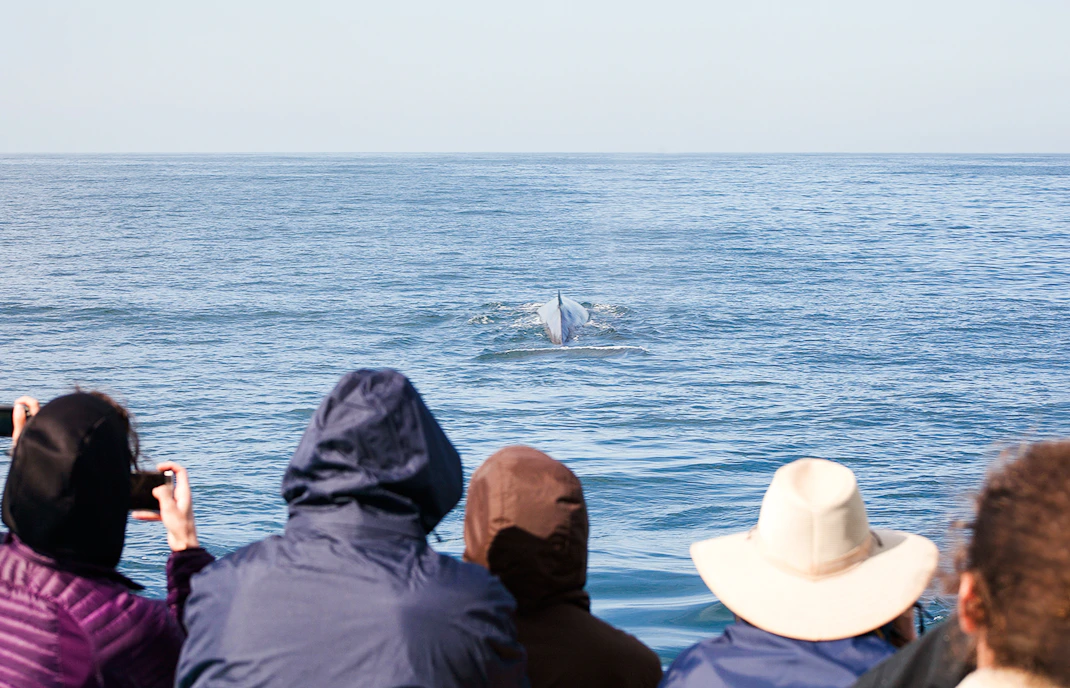
Sydney’s coastline has some of the best land-based whale watching spots in the country. These clifftop lookouts offer elevated views, easy access, and during peak season a very good chance of seeing whales just offshore. Here are some places you should consider:
- Cape Solander (Kurnell): Equipped with viewing decks and signage, this is one of the city’s best-organized whale watching spots.
- North Head (Manly): Sweeping ocean views and good public access.
- South Head (Watsons Bay): Bonus lighthouse views and sunrise photo ops.
- Bondi to Coogee Walk: This clifftop trail weaves past beaches, rock pools, and oceanfront cafés. There are several natural lookout points along the way that offer sweeping views of the Pacific, especially around Marks Park and Tamarama.
- Barrenjoey Head (Palm Beach): This one’s a scenic hike perfect for quiet and elevated views.
Tip: Bring binoculars, dress for the wind, and head out mid-morning on calm days for the best chance of spotting action.
Boat Tours (closer and more thrilling)
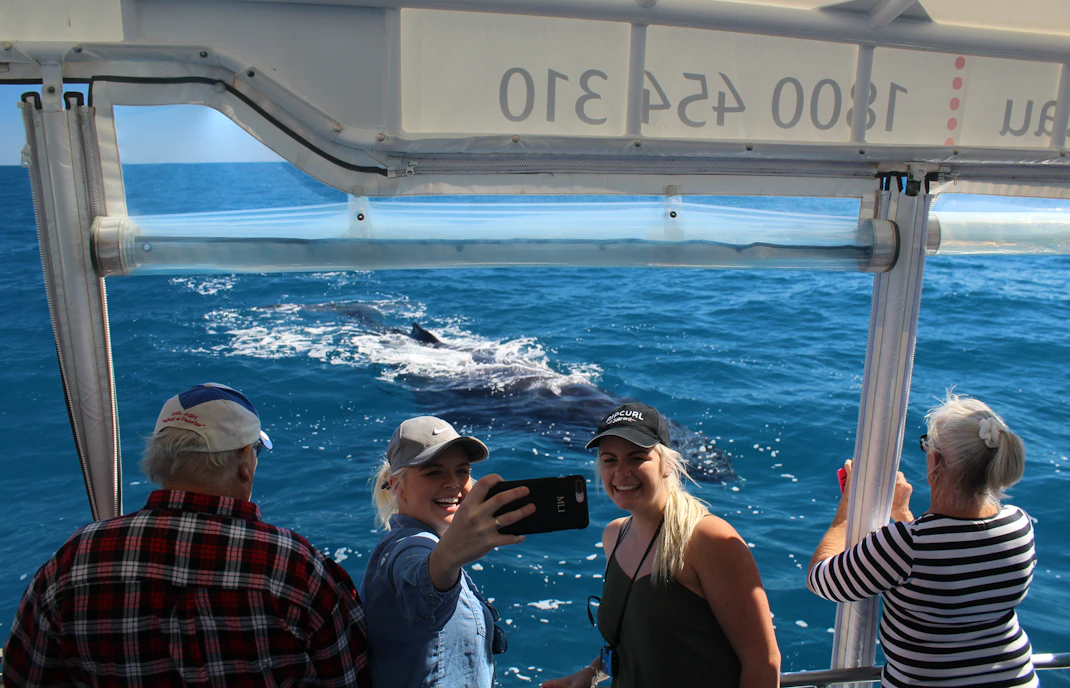
If you want to feel the spray and hear the whales breathe, nothing beats being out on the water. Tours run daily during the season and often include expert commentary.
- Departures: Mostly from Circular Quay, Darling Harbour, and Manly.
- Duration: 2.5 to 3 hours.
- Cost: AU$75–150, depending on boat type and extras.
Book a Sydney Whale Watching Cruise
What you’ll see
1/4
Breaches
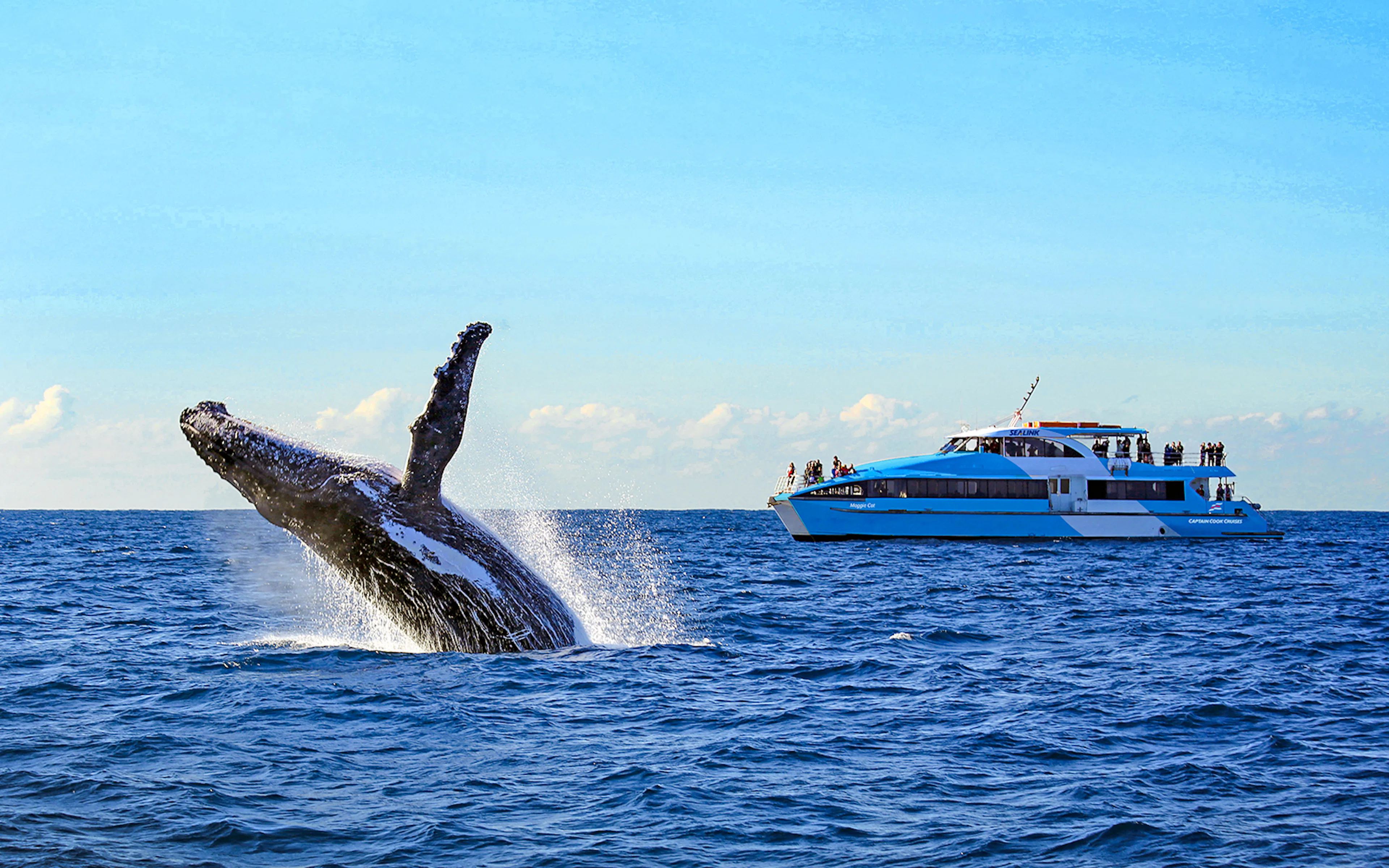
Watch a humpback explode from the water and spin before crashing down. It’s a power move and crowd favorite during the northbound migration.
Tail slaps
A flurry of tail smacks sends booming sounds across the water. Males often do this to attract attention or ward off rivals.
Mother-calf duos
Toward the end of the season, you’ll spot smaller, slower-moving whales close to shore. Calves stay glued to their mothers, and their synchronized movements are worth seeing.
Mugging
During the August–September overlap, whales can become especially curious while sometimes approaching boats and lingering nearby. This behavior, known as “mugging” and if your boat is the lucky one then you’ll be just meters away from these gentle giants.
What to know about Sydney’s 2025 whale watching season
- Busiest in years: Over 40,000 humpbacks are expected this year. It’s actually part of a comeback story for a species once nearly hunted to extinction.
- Close encounters: Manly Wharf recently made news when whale pods swam so close they paused ferry traffic. That’s how close you can get.
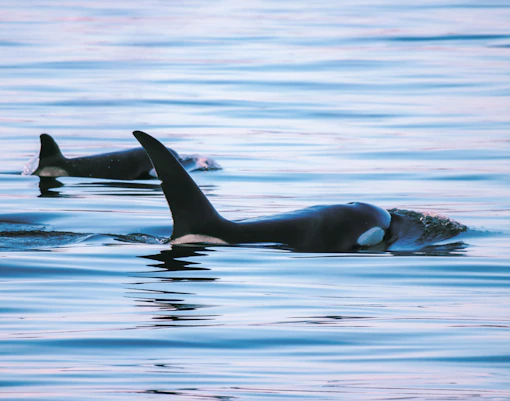
- Bonus marine life: Dolphins are seen on roughly 50% of tours. On rare days, you might even glimpse a southern right whale, orca, or a blue whale.
Frequently asked questions about whale watching season in Sydney
Late June to early July is the peak season. September to November is best for spotting calves.
Yes. Land-based options like Cape Solander, North Head, or Bondi-Coogee Walk offer free, spectacular views.
Not guaranteed, but highly likely in peak months. Most operators offer a free return tour if no whales are spotted.
Mostly humpbacks. Occasionally you’ll see southern rights, orcas, or even a blue whale.
Legally, boats must stay 100 meters away and 300 meters if calves are present. But sometimes whales choose to come closer.
Layers, sunscreen, hat, water, sea-sickness tablets, and a camera or binoculars for the details.
Mornings (8am–11am) have calmer waters; late morning to early afternoon (11am–3pm) offers great visibility.
Absolutely. Just opt for shorter tours (2–2.5 hours) if traveling with young children.


