Sydney Opera House History | From Vision to Icon

The Sydney Opera House began as a bold vision in the 1950s, brought to life by Danish architect Jørn Utzon after an international design competition. Construction spanned over a decade, facing delays and challenges before its grand opening in 1973. Ever since, the Opera House has fascinated the world with its history, evolution, and enduring legacy. Read on to uncover its rich history.

Sydney Opera House history explained

The winning design

1956

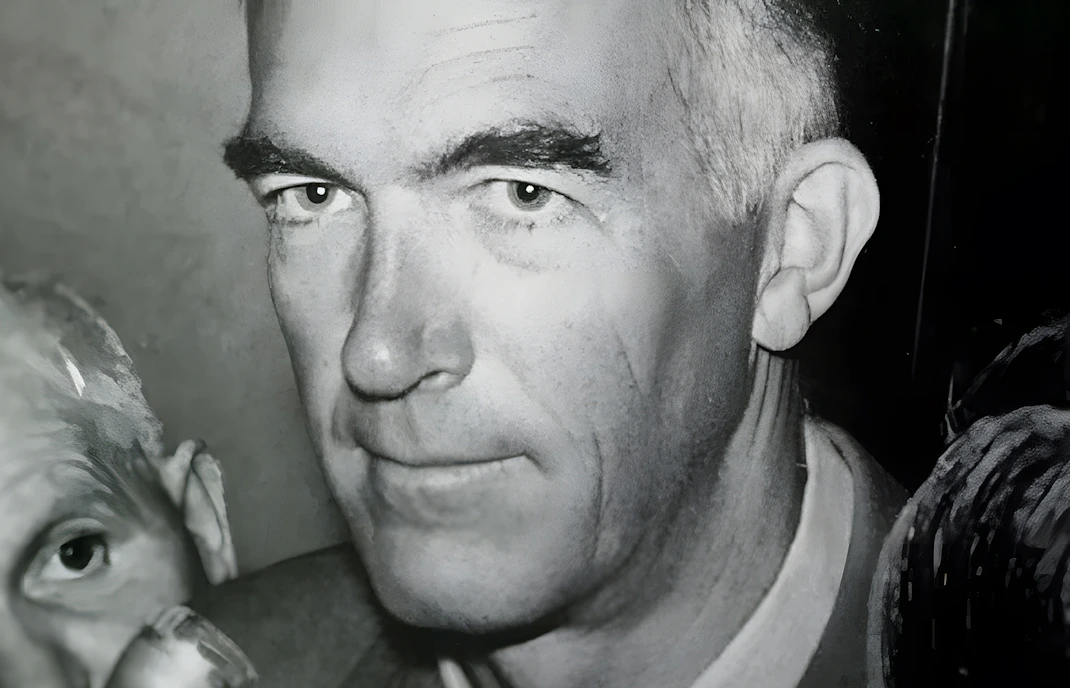
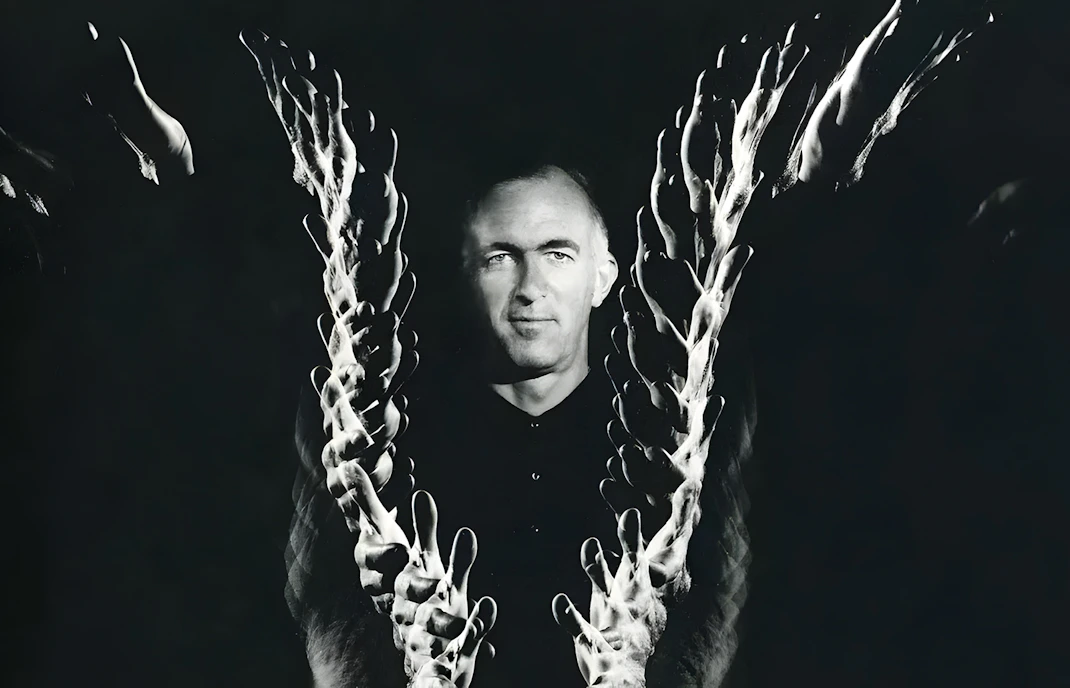
In 1956, New South Wales launched an international competition to design a new performing arts centre. Over 200 entries were submitted, but Danish architect Jørn Utzon’s daring “sails” stood apart. Inspired by nature and geometry, his design promised a structure unlike anything the world had seen, forever changing Sydney’s architectural identity.
Laying the foundations

1959–1963

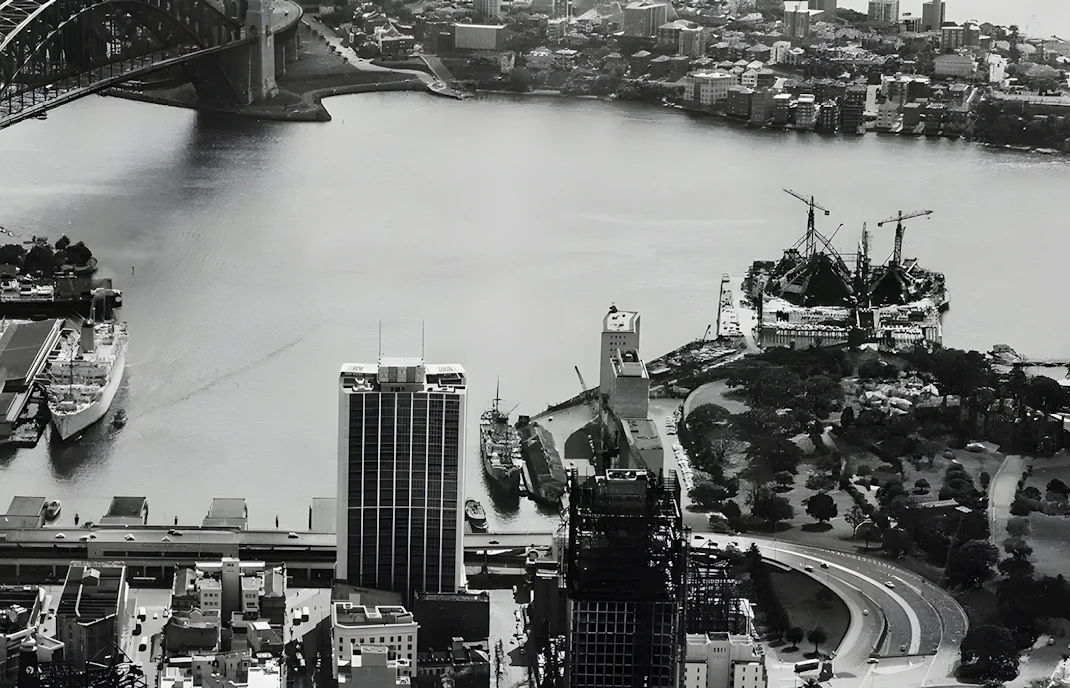
Construction began in 1959 on Bennelong Point, a site with tricky sandstone terrain. The podium, designed to carry the weight of the massive shells, quickly ran into engineering issues. After several redesigns and reinforcements, the podium was completed in 1963, marking the first major success in the project’s long journey.

Engineering the sails

1963–1967

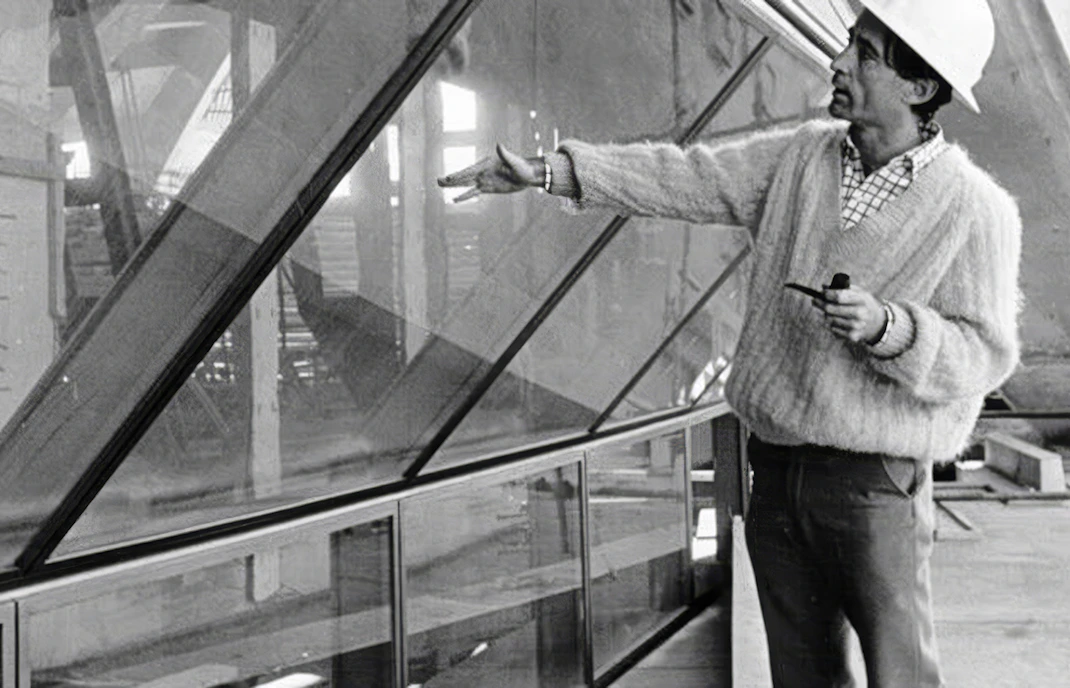
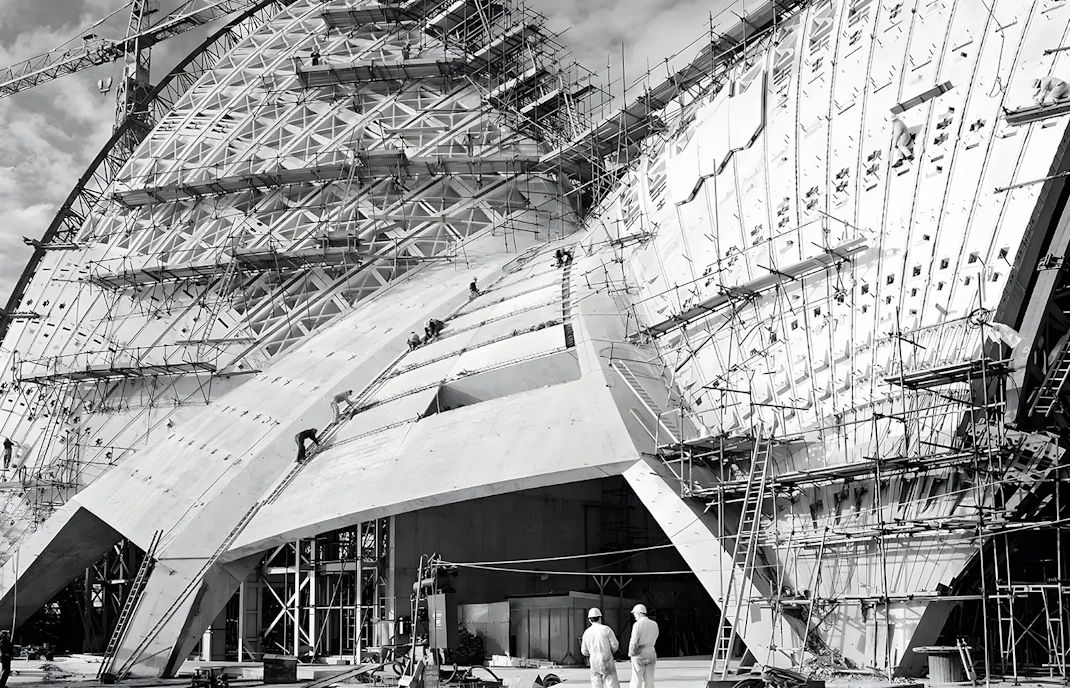
The roof shells became the defining challenge. Utzon’s sketches seemed unbuildable until engineers solved the puzzle by conceptualising the shells as segments of a sphere. This innovation allowed for prefabrication and precise assembly, making the sails both structurally sound and visually iconic — a triumph of modern engineering.

Read more about the architecture

Conflict and resignation

1966

While the sails rose, tensions grew over delays and costs that had far exceeded the original budget. Clashes between Utzon and the New South Wales government peaked in 1966, forcing his resignation. The departure of the Opera House’s visionary designer created public outrage and uncertainty about the project’s future.

Completion under new direction

1967–1973

A team of Australian architects, led by Peter Hall, took charge after Utzon’s resignation. They redesigned much of the interior to cut costs and meet deadlines. Though functional compromises were made, the striking exterior shells remained faithful to Utzon’s vision, ensuring the building’s unmistakable silhouette.

Grand opening

1973

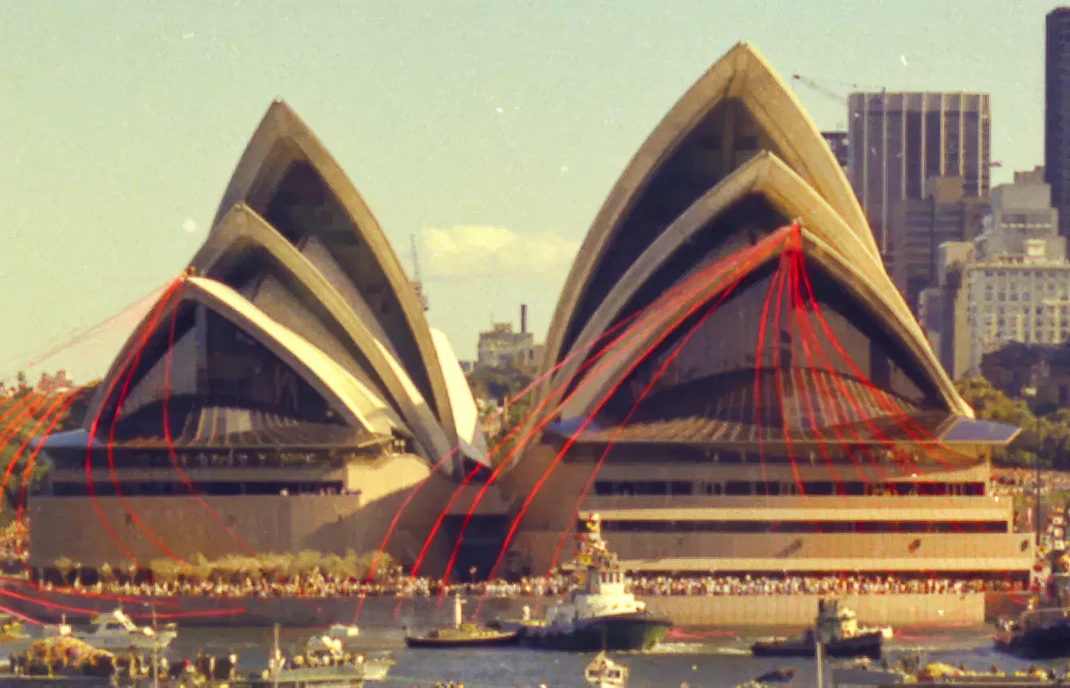
On 20 October 1973, after 14 years of construction, Queen Elizabeth II officially opened the Sydney Opera House. The event featured dazzling performances and international acclaim. What had once been a controversial project quickly became a national symbol, celebrated as one of the greatest architectural achievements of the 20th century.

Sydney Opera House today

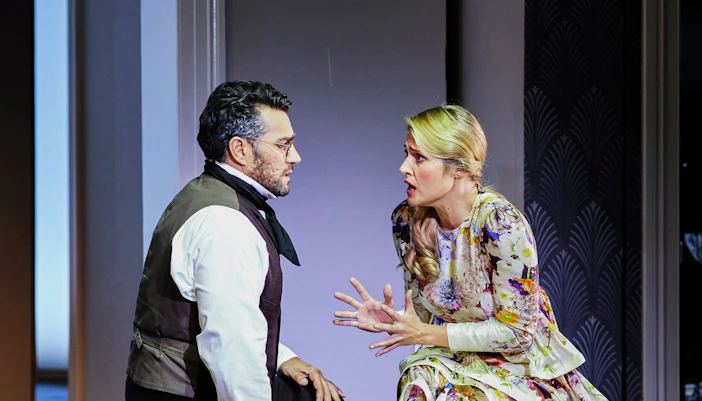
Today, the Sydney Opera House stands as a living icon of Australia’s cultural identity and architectural brilliance. Inscribed as a UNESCO World Heritage Site in 2007, it is celebrated as a masterpiece of 20th-century design. No longer just a performance venue, it has become a global gathering place for art, creativity, and innovation, welcoming millions of visitors each year.

Plan your visit to the Sydney Opera House

Frequently asked questions about Sydney Opera House history

The Sydney Opera House was conceived in the 1950s after an international competition won by Danish architect Jørn Utzon. Construction began in 1959 and faced many challenges before it was completed in 1973. Today, it is a UNESCO World Heritage Site and one of the most famous buildings in the world.

More Reads